
Big Five Safari in Tanzania
Big Five Safari in Tanzania: Exclusive Wildlife Adventures
Tanzania stands as one of Africa’s premier destinations for witnessing the legendary Big Five (lion, leopard, elephant, buffalo, and rhino) in their natural wilderness. Boasting some of the continent’s most extensive protected areas, thriving wildlife populations, and highly skilled guides, Tanzania offers unparalleled opportunities to encounter these majestic creatures in breathtaking landscapes. From the vast plains of the Serengeti to the dramatic Ngorongoro Crater, a Big Five safari here promises extraordinary wildlife viewing and unforgettable memories.
Prime Locations for Big Five Sightings in Tanzania
1. Ngorongoro Crater – Nature’s Wildlife Amphitheater
Why Visit?
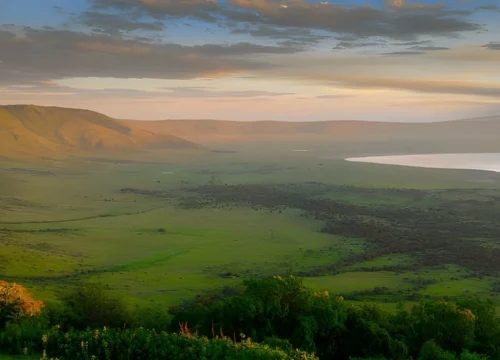
This UNESCO World Heritage Site is one of Africa’s most spectacular wildlife arenas, where spotting all Big Five in a single day is possible.
Key Highlights:
Black Rhino: One of the last strongholds for critically endangered black rhinos, often seen grazing on the crater floor.
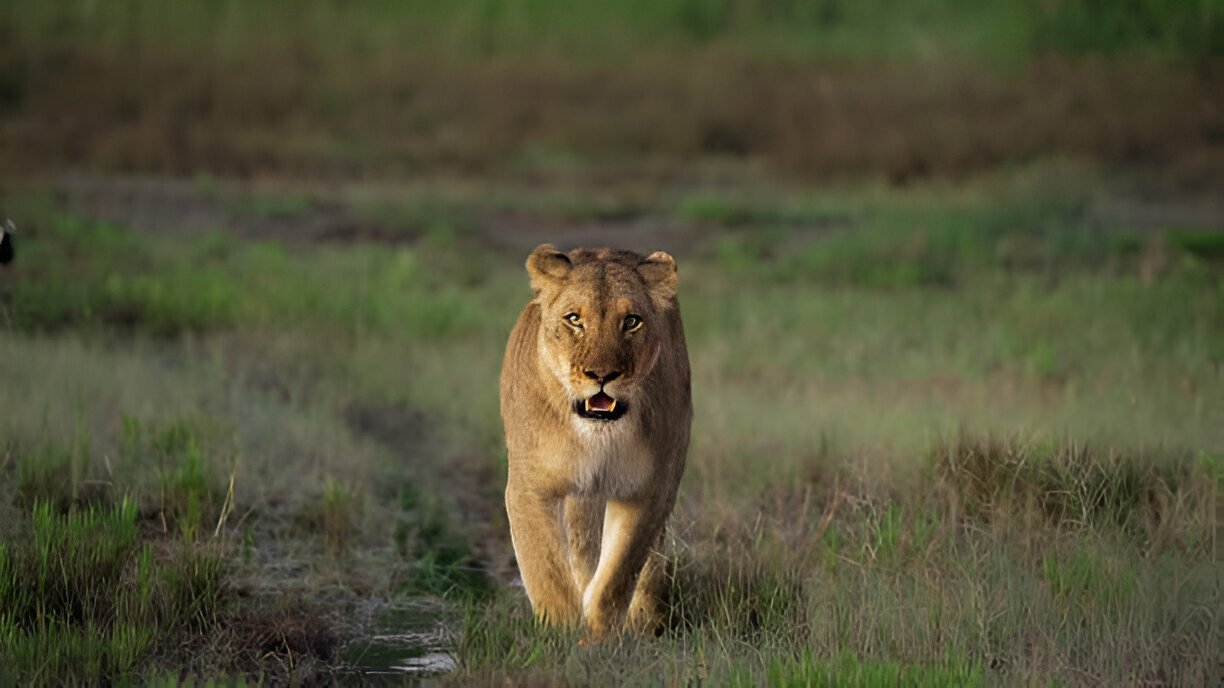
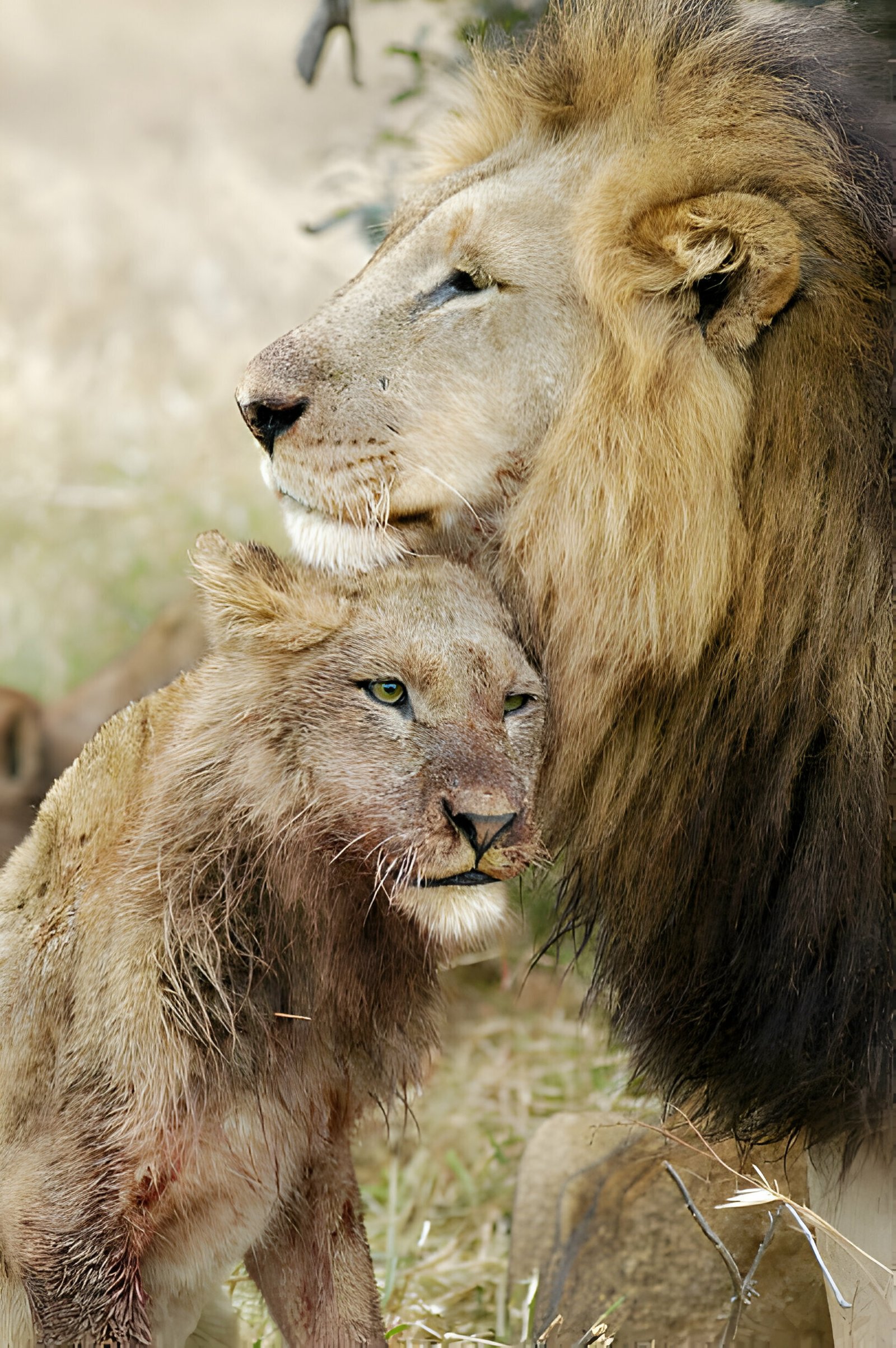
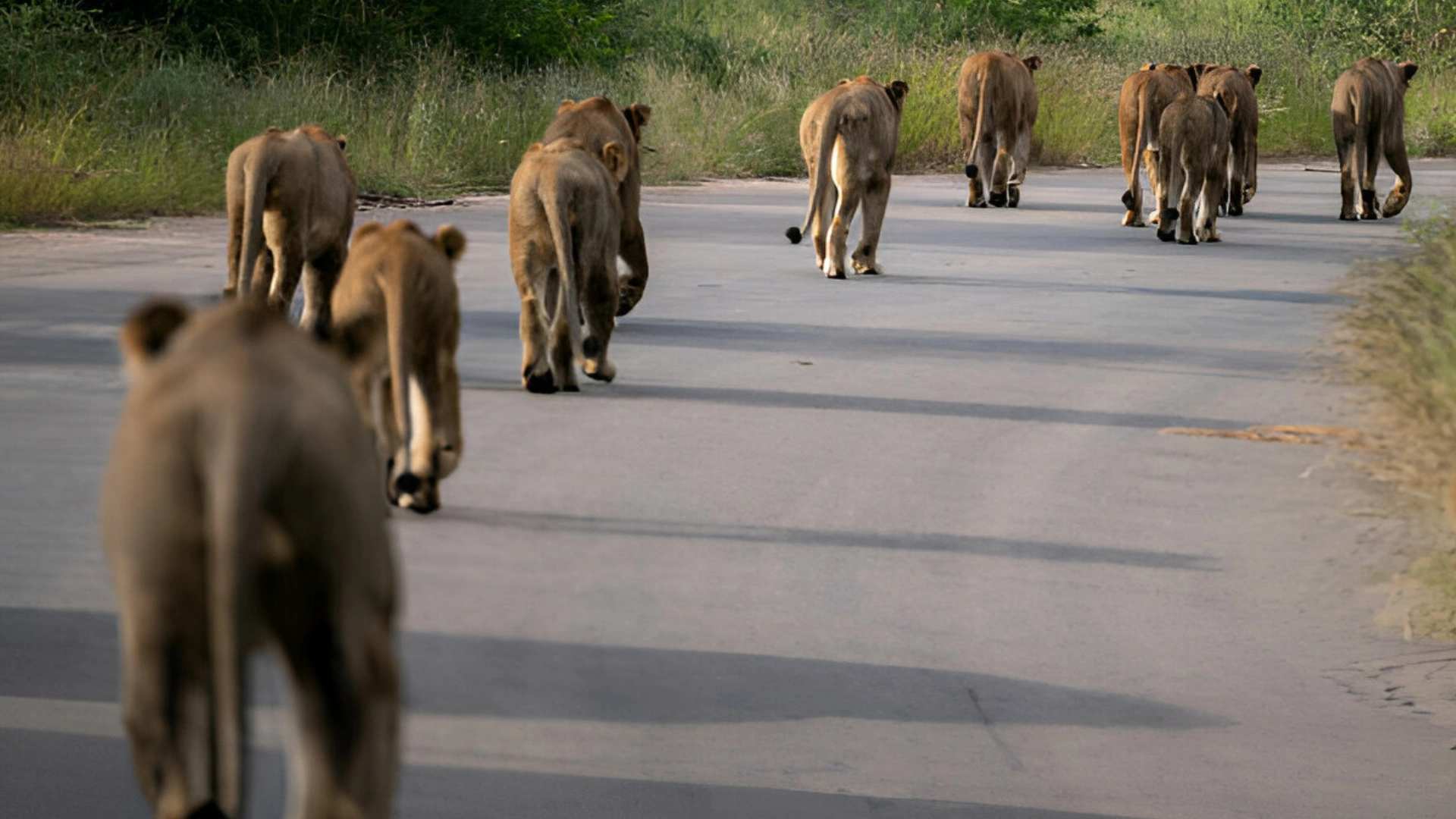
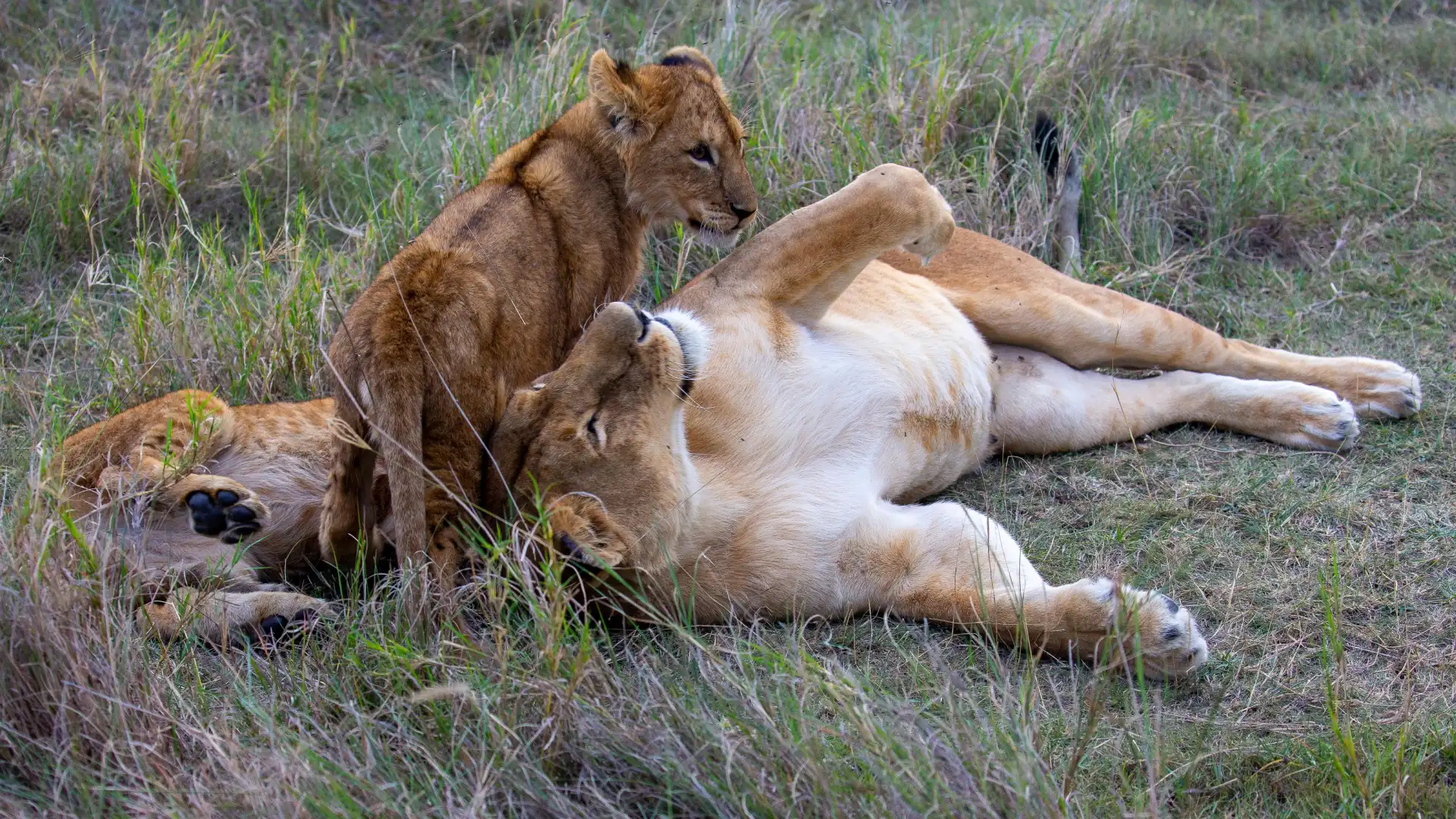
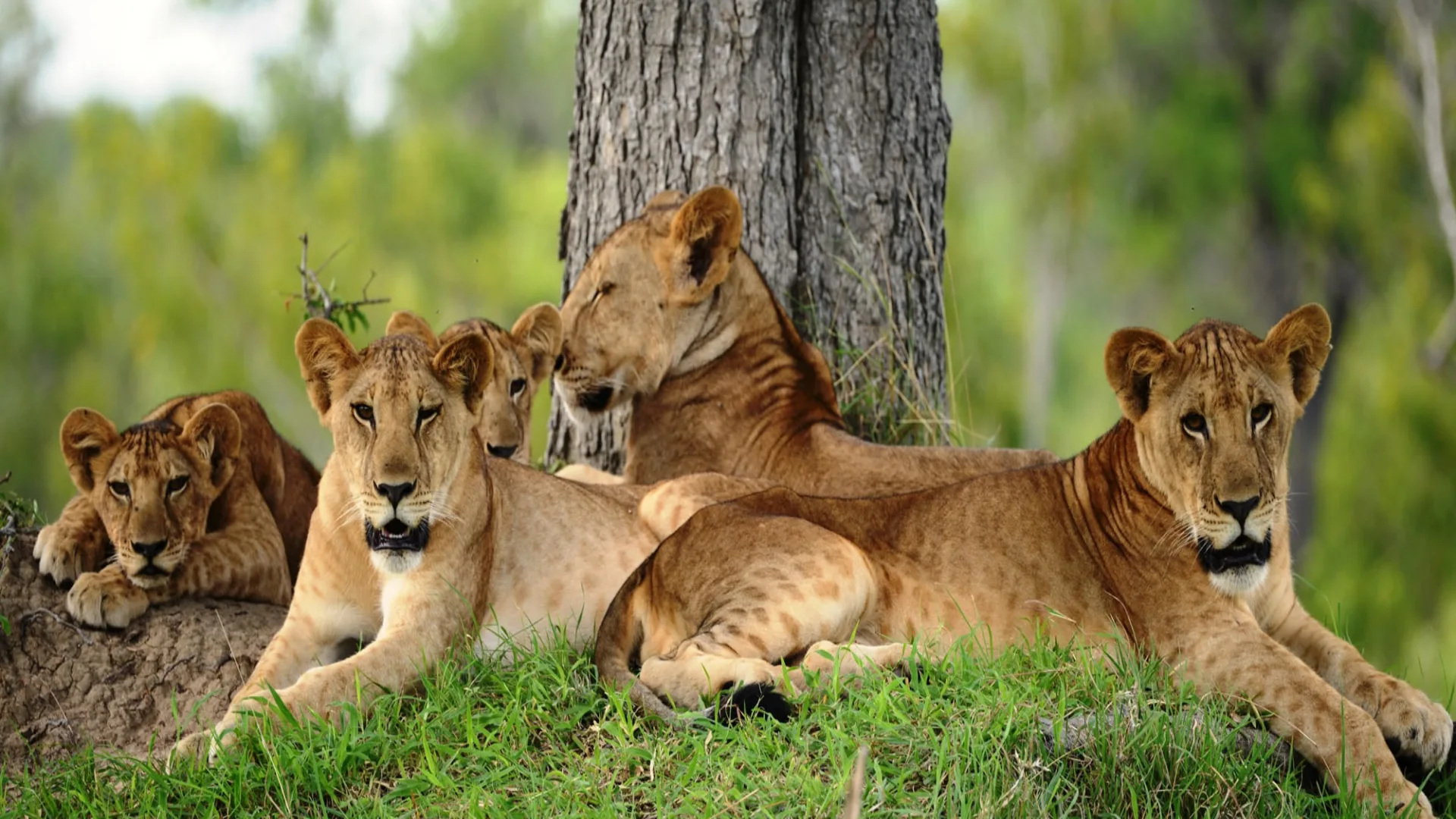
Lion Prides: Large, dominant prides thrive here due to abundant prey.
High-Density Game Viewing: The crater’s enclosed ecosystem concentrates wildlife, making sightings nearly guaranteed.
Buffalo Herds: Massive groups of Cape buffalo roam the grasslands.
Best Time to Visit: Year-round, but dry season (June–October) offers optimal visibility.
2. Serengeti National Park – The Big Cat Kingdom
Why Visit?
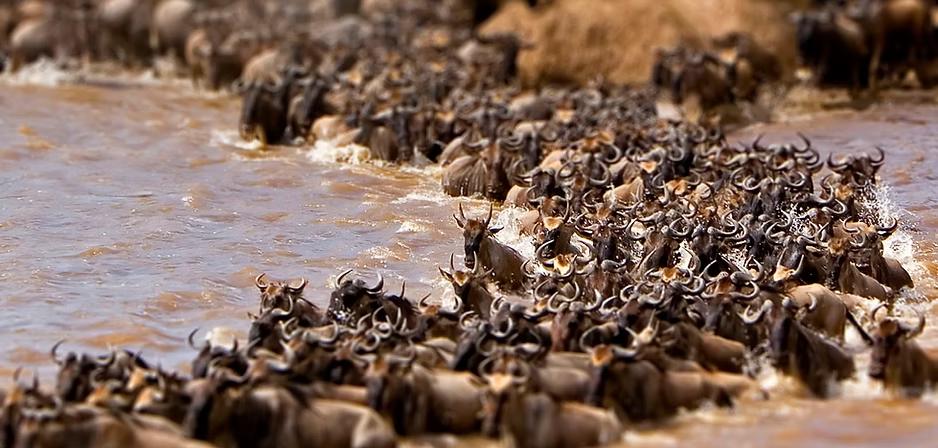
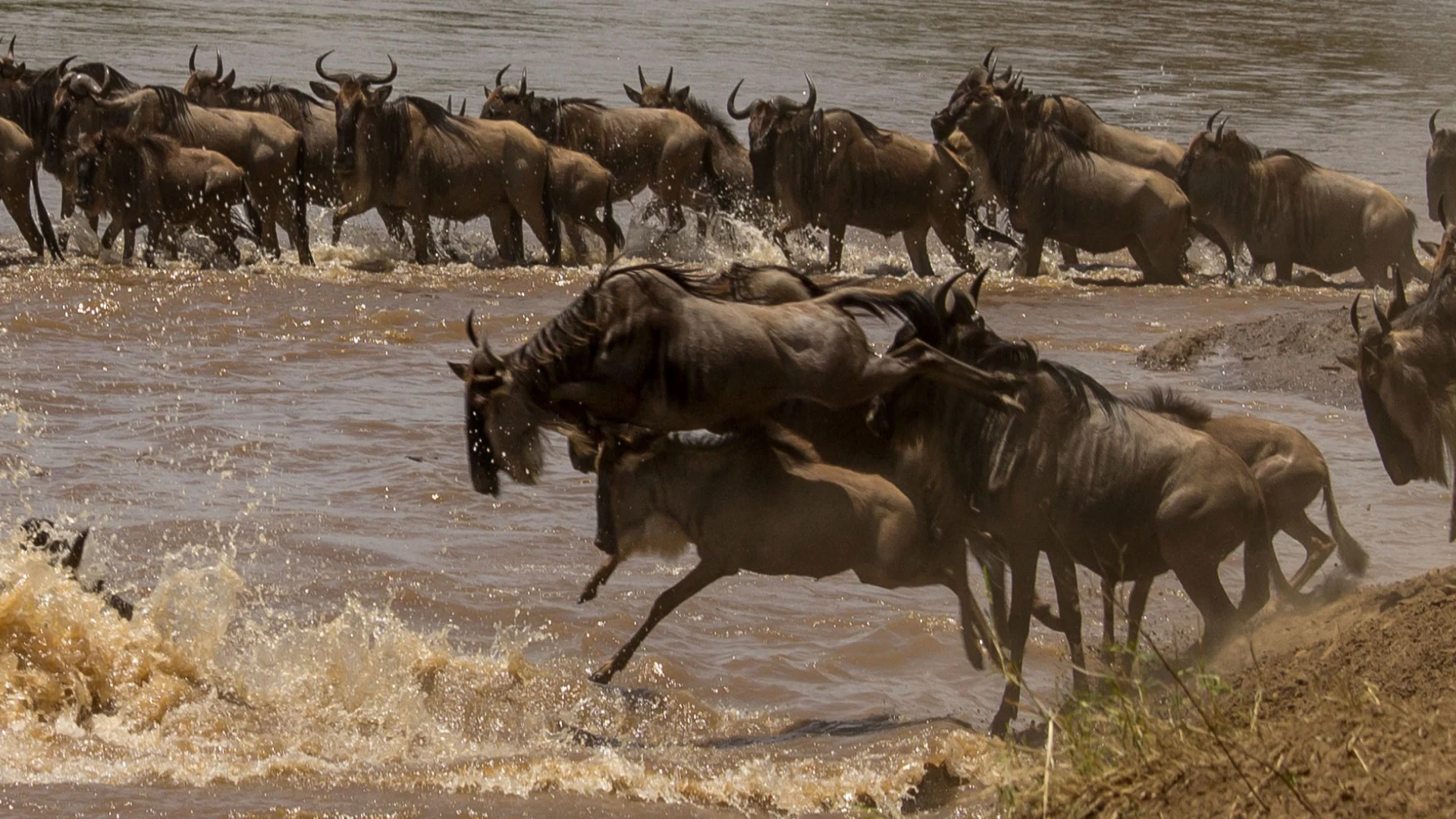
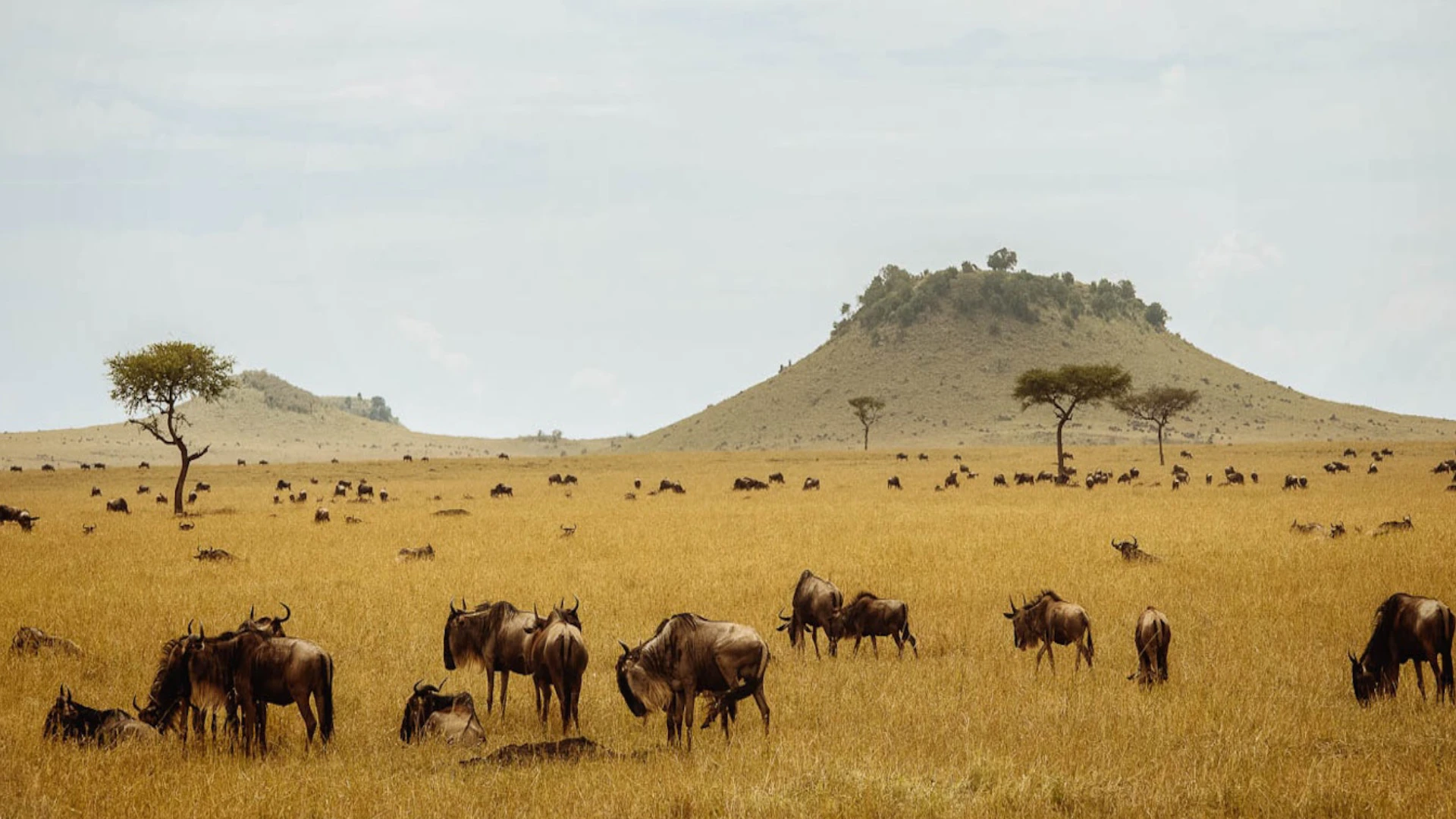
The Serengeti is synonymous with Africa’s wild beauty, offering not just the Big Five but also the awe-inspiring Great Migration.
Key Highlights:
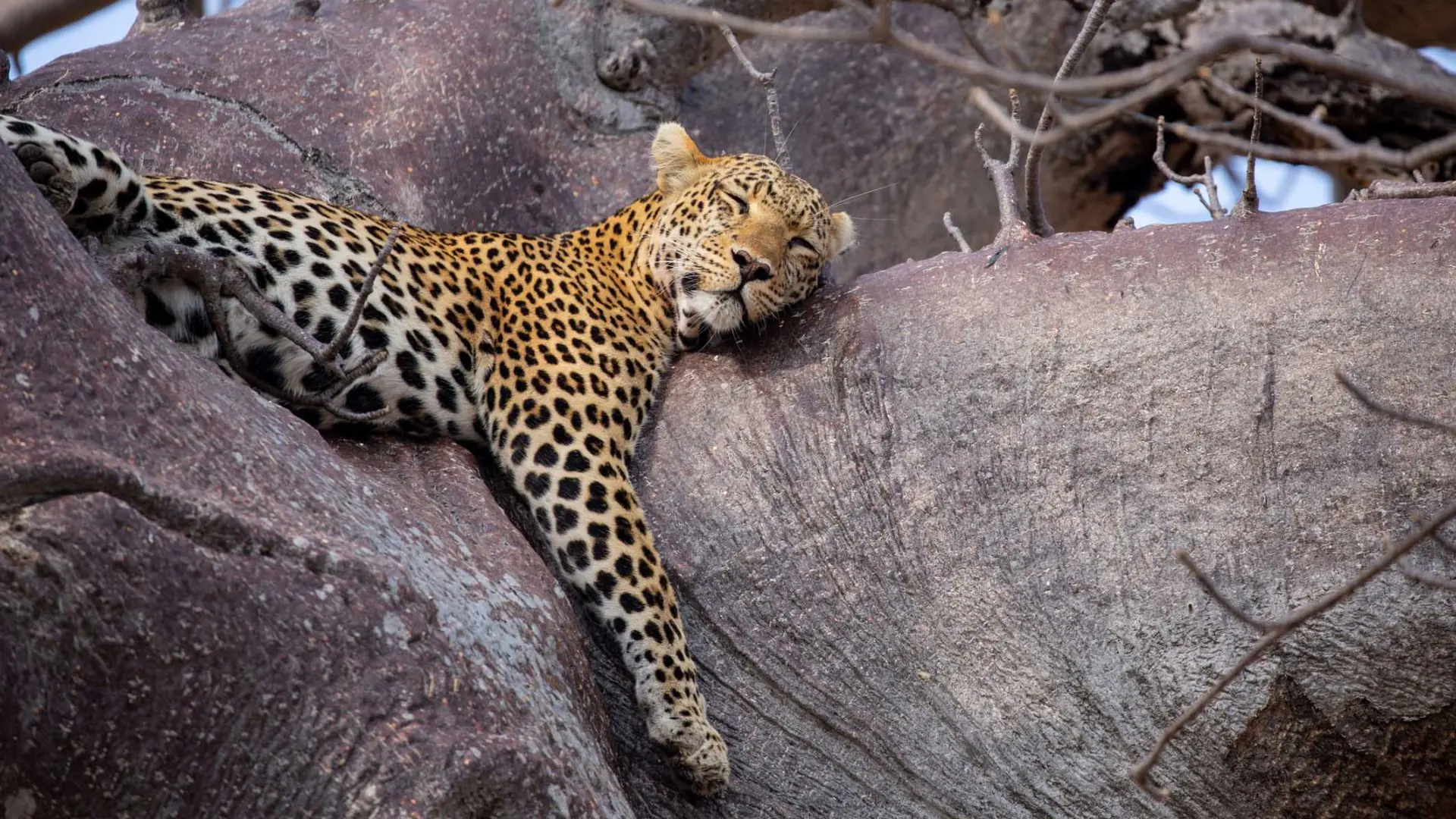
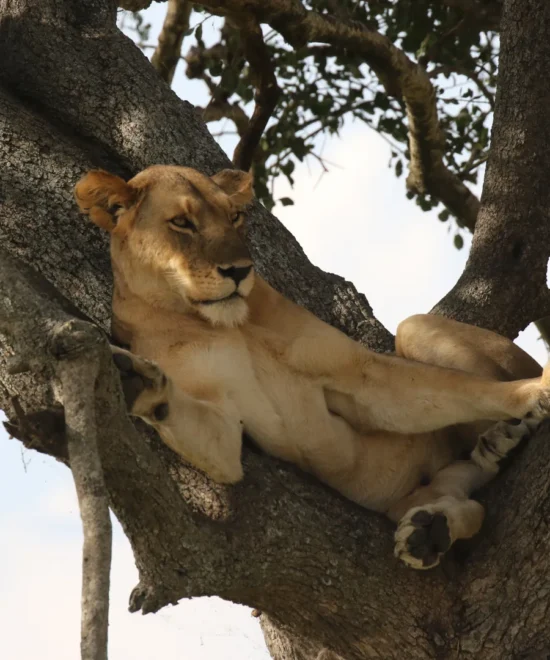
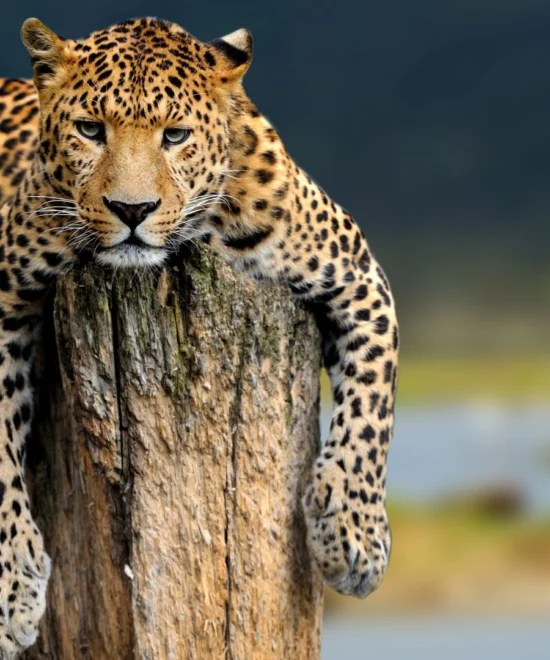
Leopards: Frequently spotted lounging in acacia trees along riverbanks, particularly in the Seronera Valley.
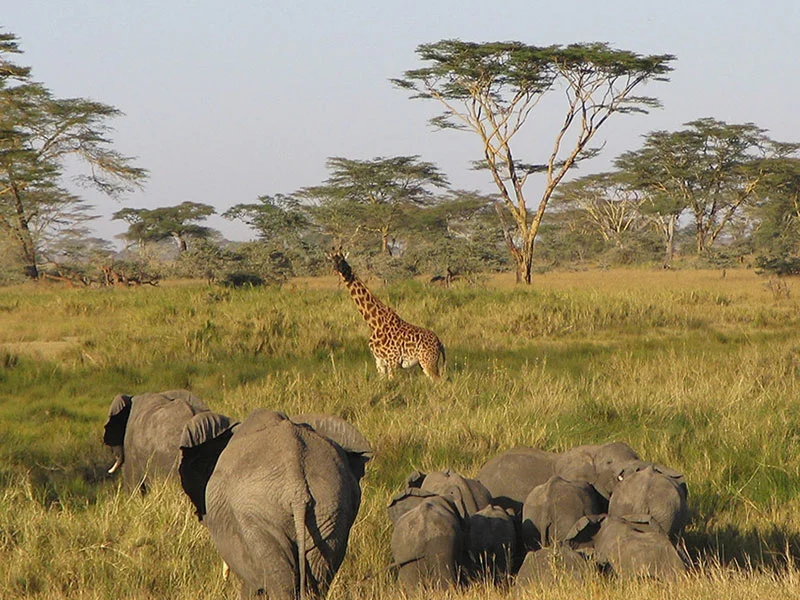
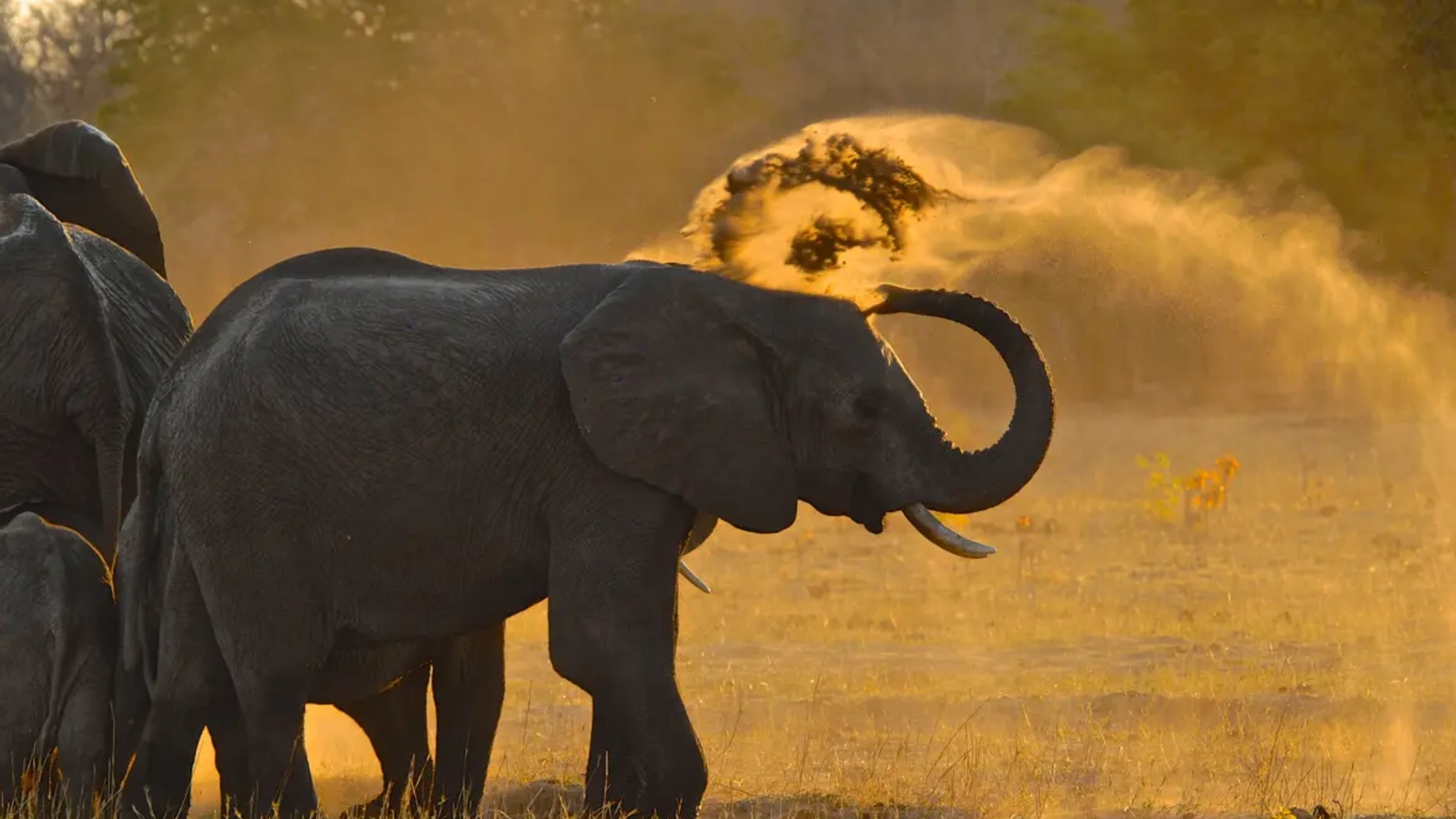
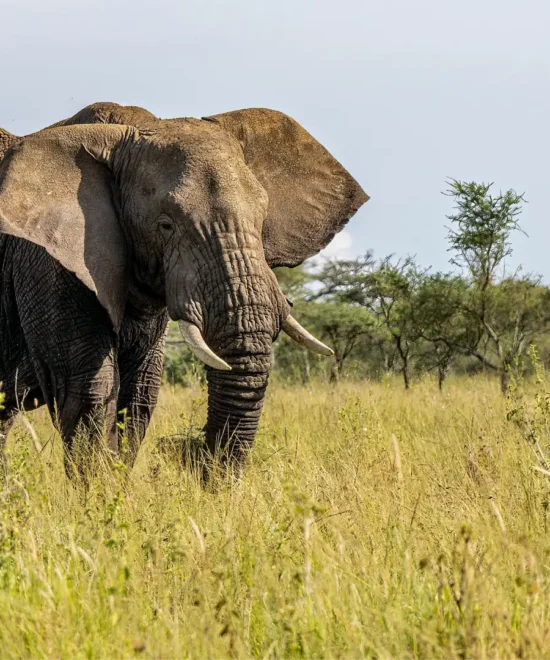
Elephant Herds: Large family groups traverse the northern woodlands.
Buffalo: Thousands gather in the southern plains during the wet season.
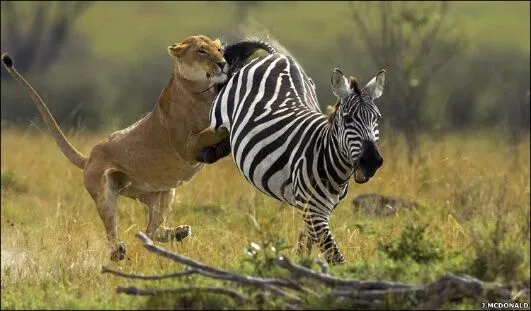
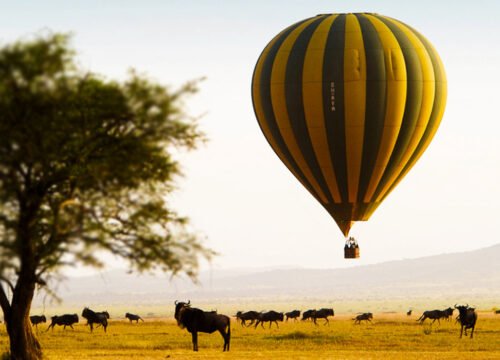
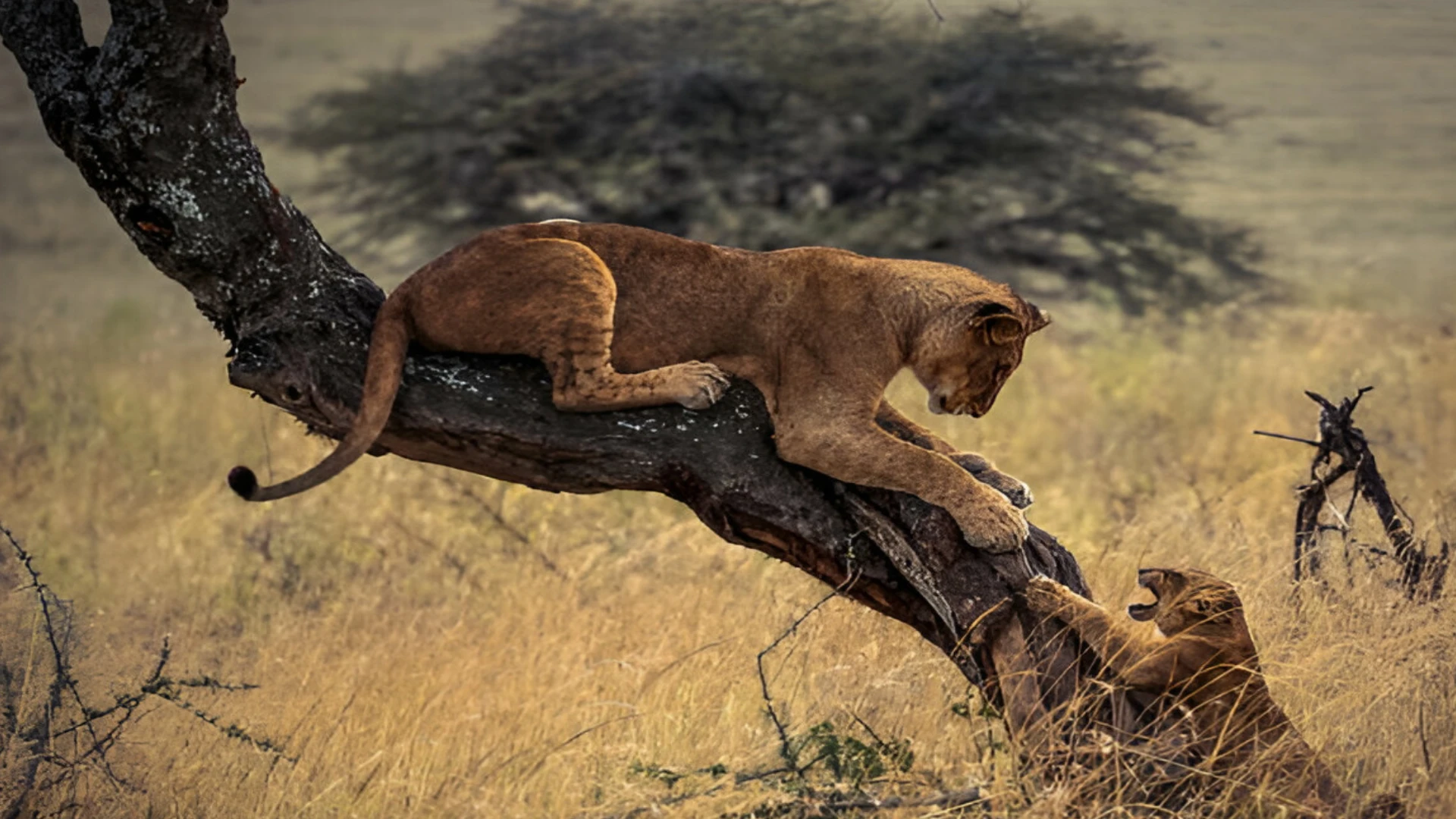
Lions: The Serengeti has one of Africa’s highest lion populations, often seen hunting wildebeest.
Best Time to Visit:
June–October (Dry Season): Prime for general wildlife viewing.
January–March (Calving Season): Excellent for predator action.
3. Tarangire National Park – The Elephant Paradise
Why Visit?
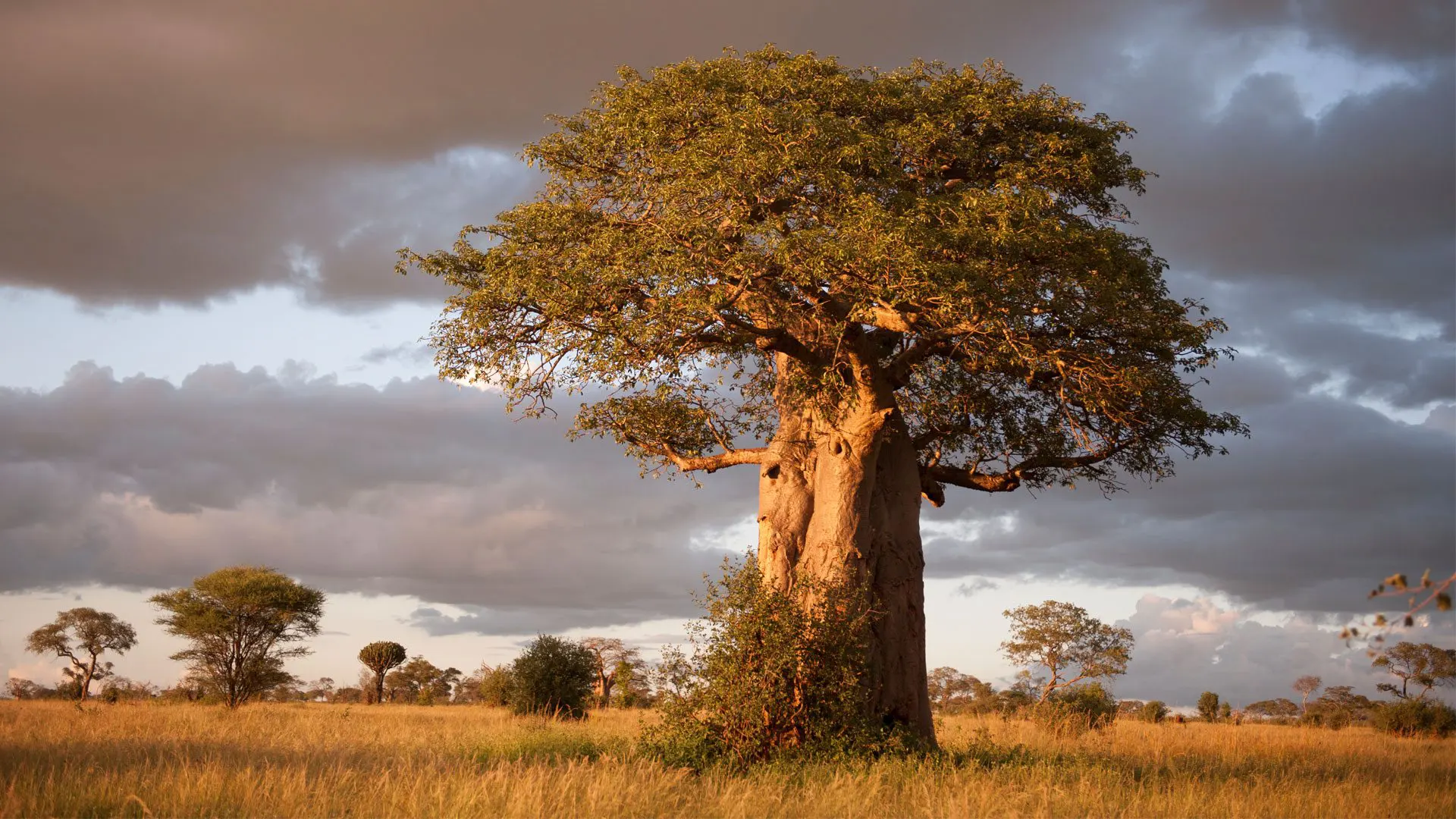
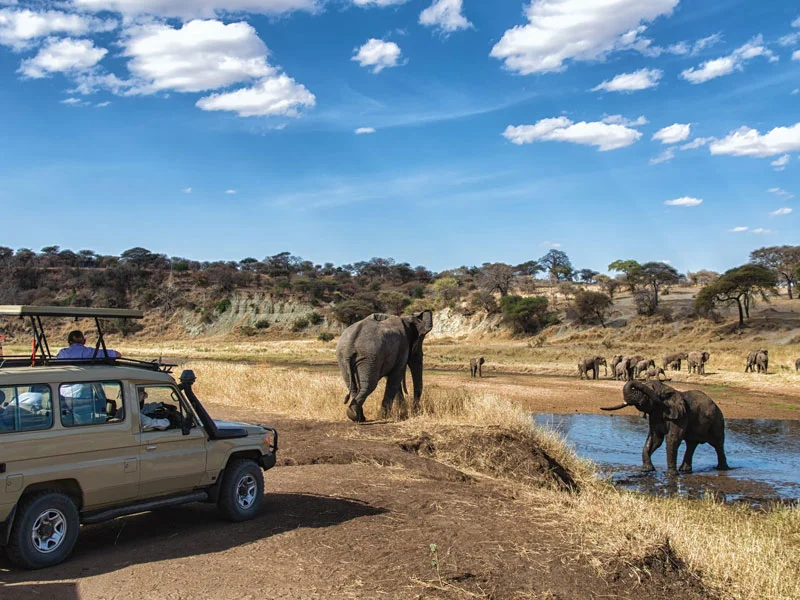
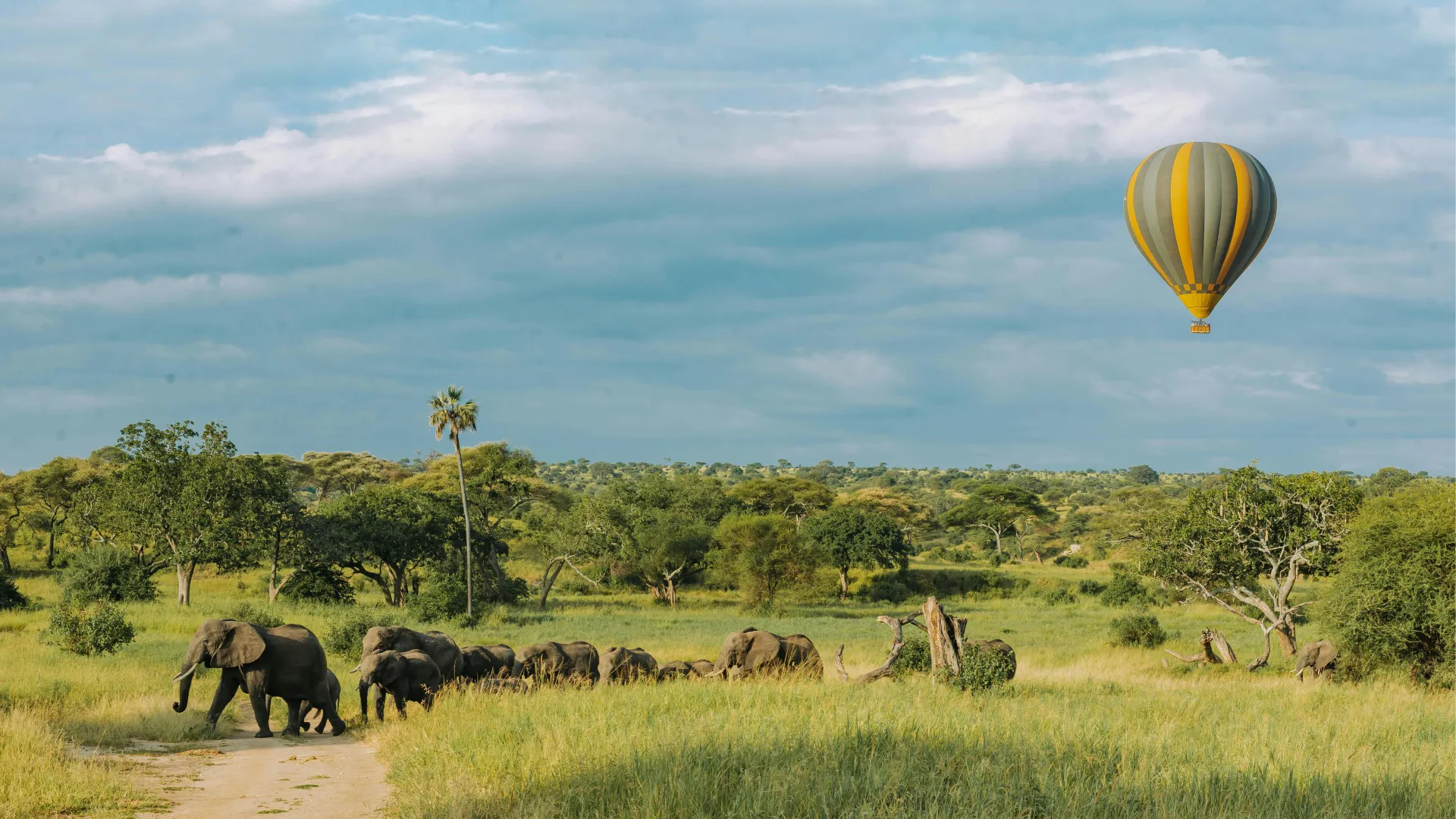
Known for its massive elephant herds and ancient baobab trees, Tarangire offers a more intimate safari experience.
Key Highlights:
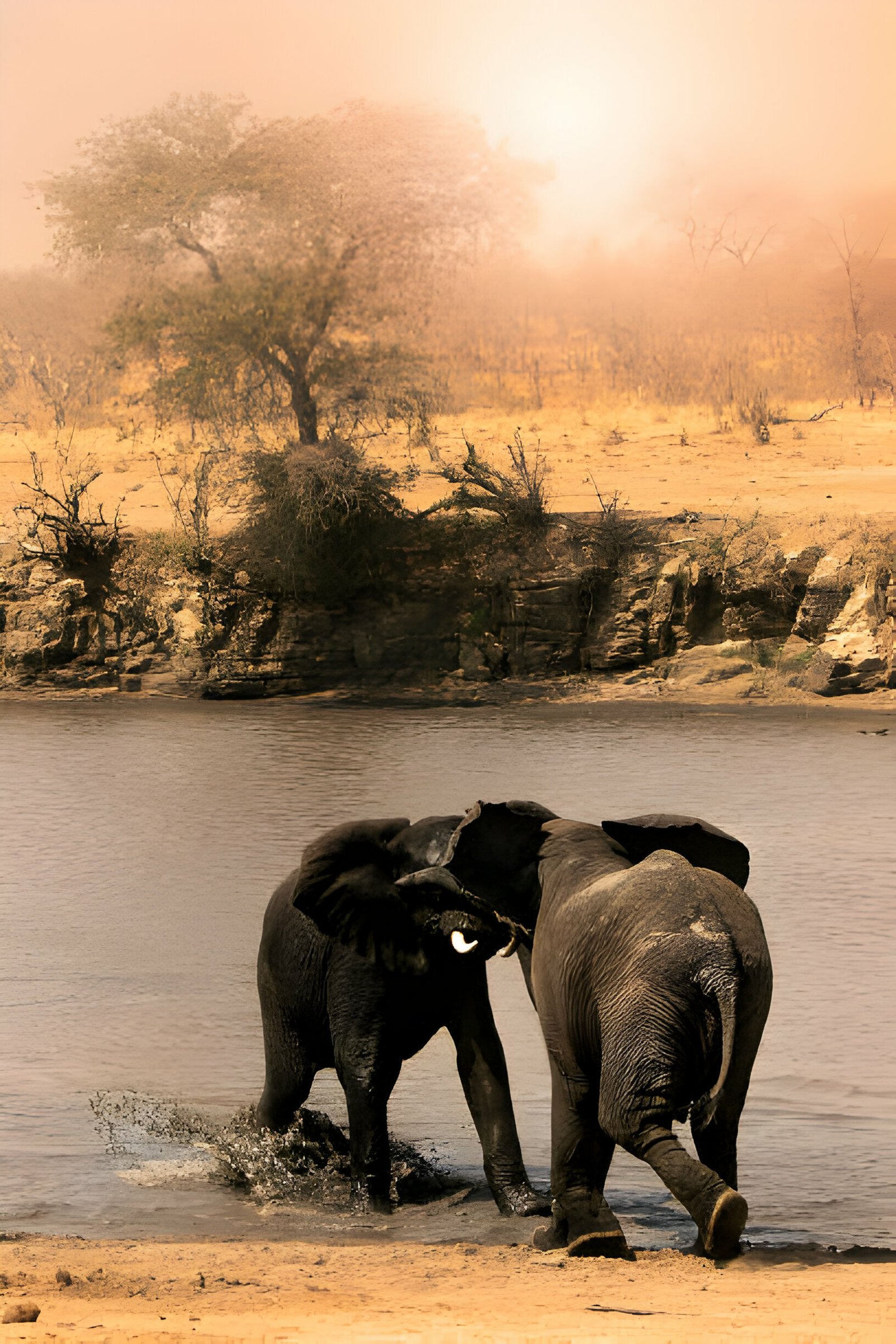
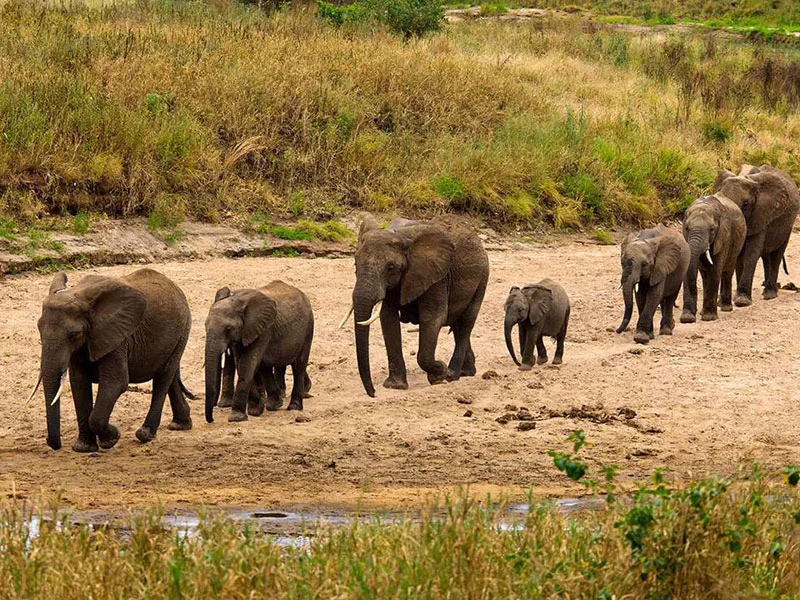
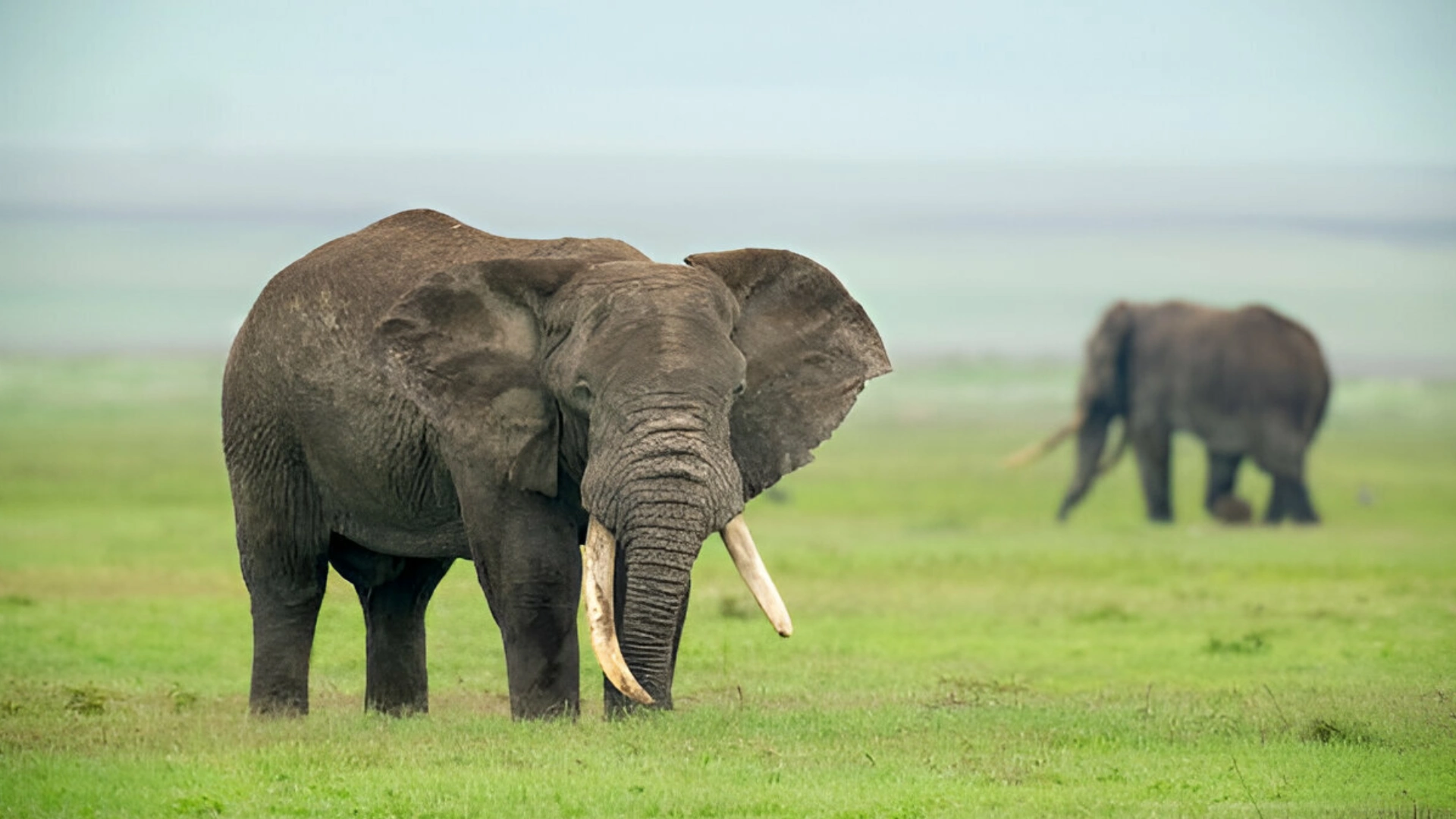
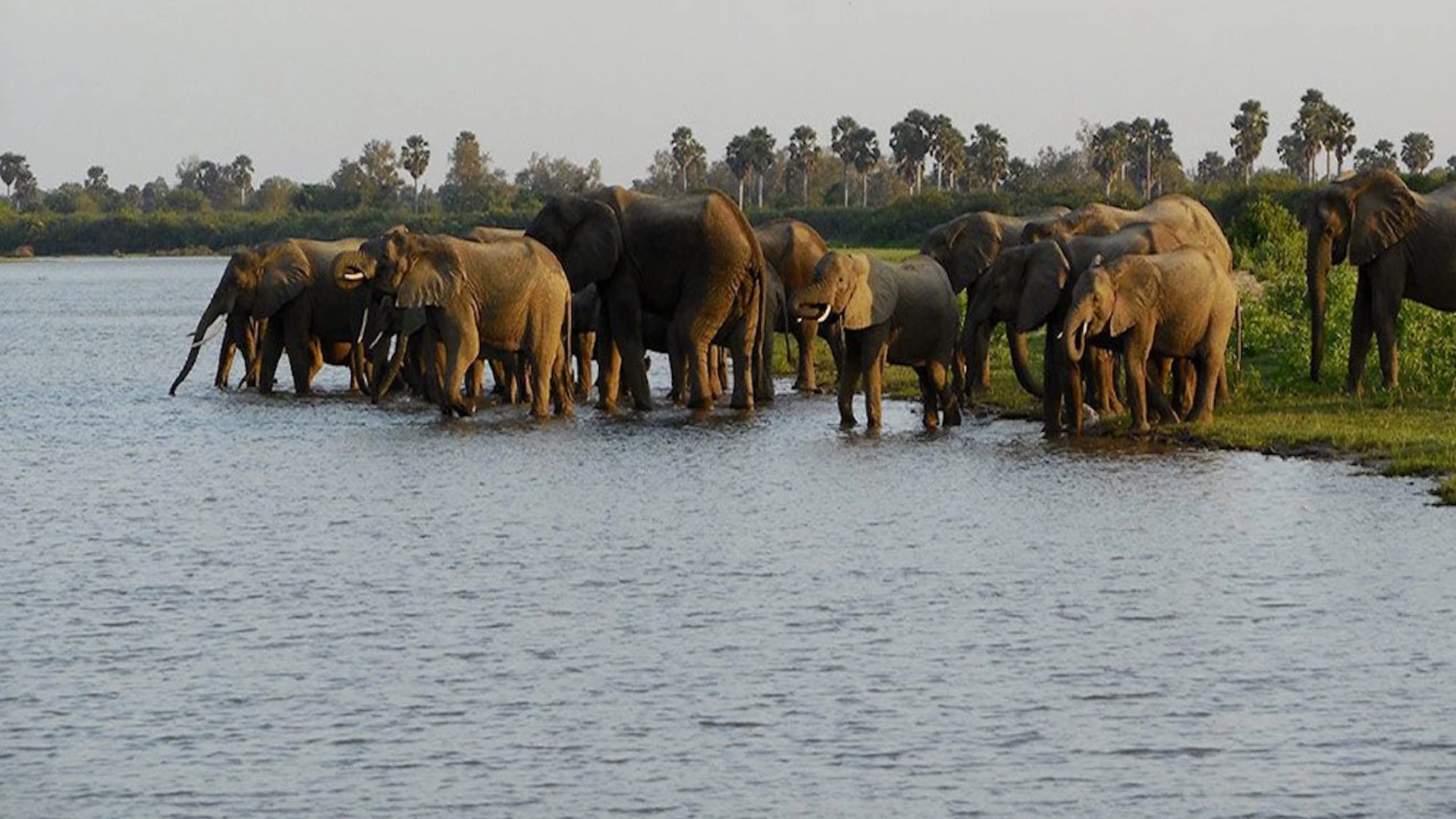
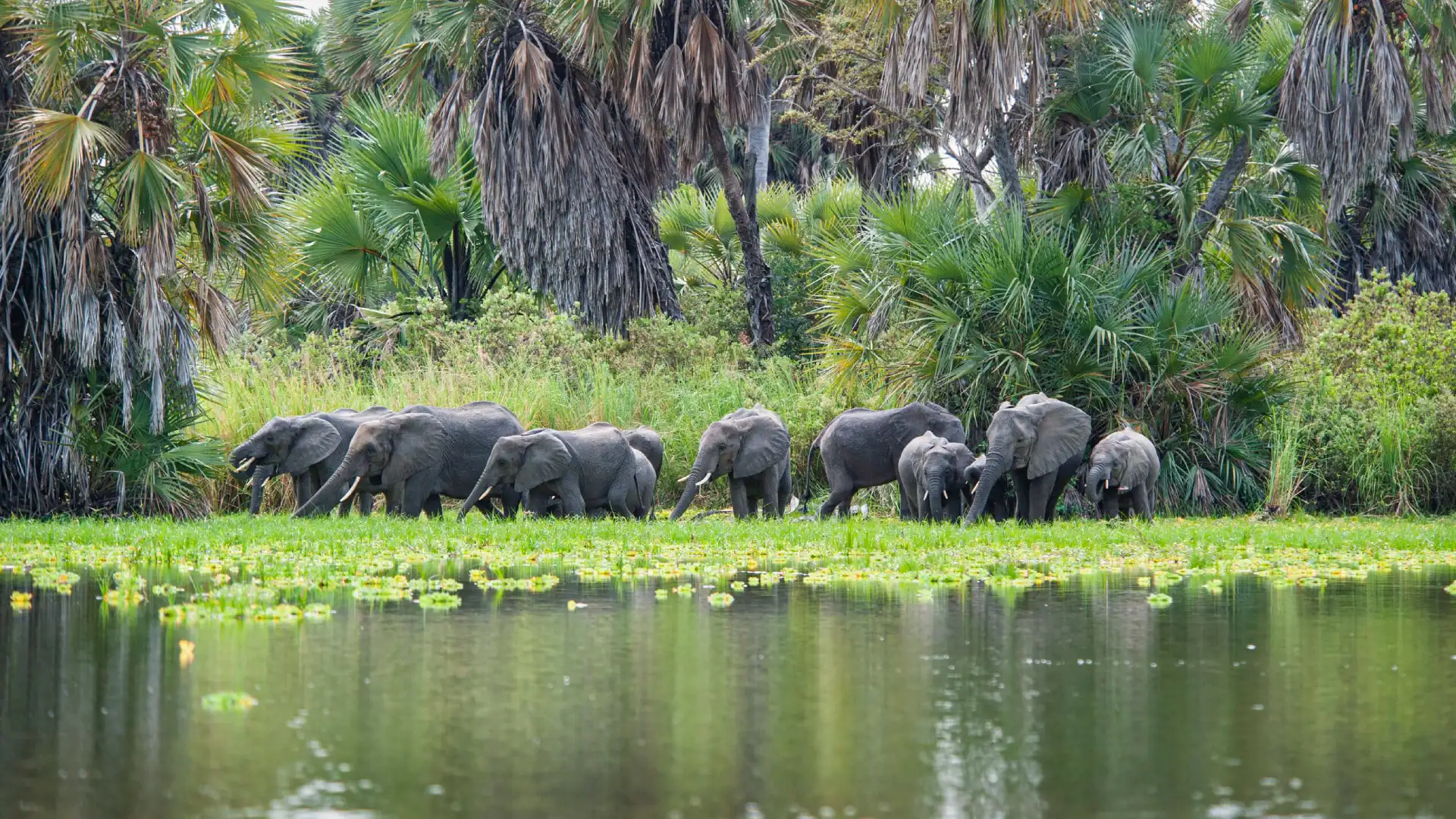
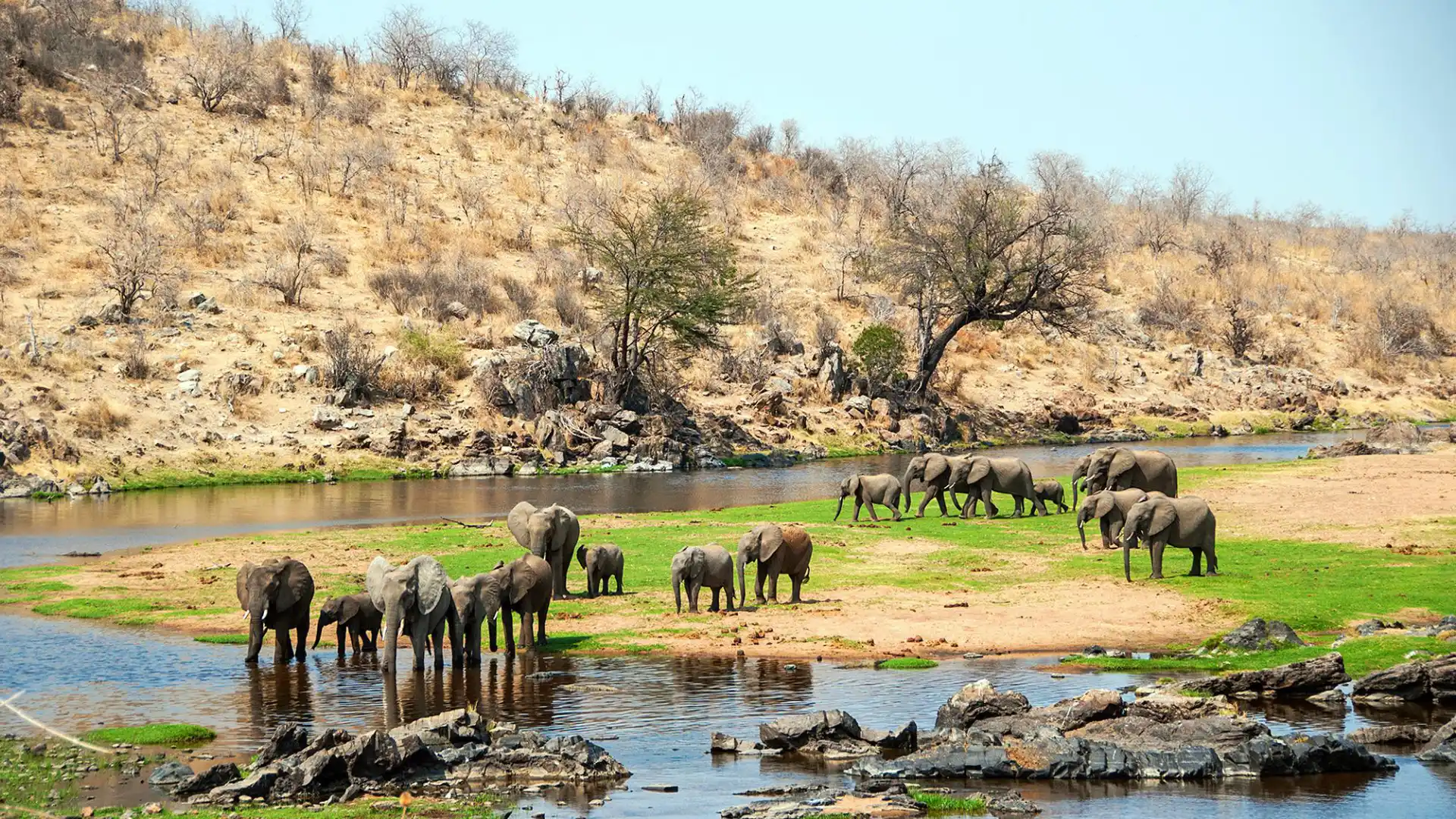
Elephant Spectacle: Up to 3,000 elephants gather around the Tarangire River in the dry season.
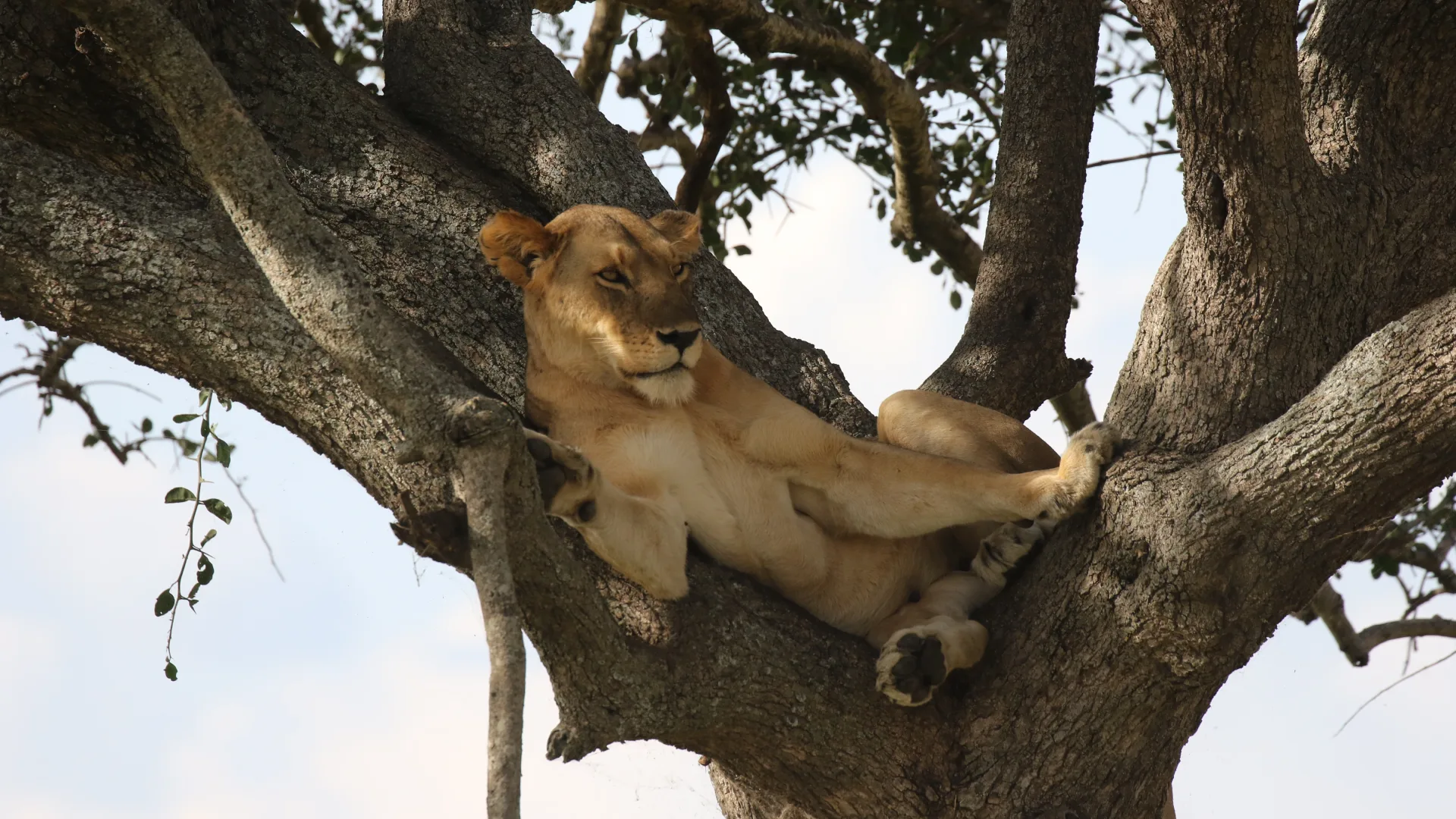
Tree-Climbing Lions: A rare behavior, but occasionally seen on branches.
Leopard Sightings: Increasingly common, especially around swamp areas.
Buffalo & Lion: Strong populations, with lions often hunting near waterholes.
Best Time to Visit: July–October, when wildlife congregates near the river.
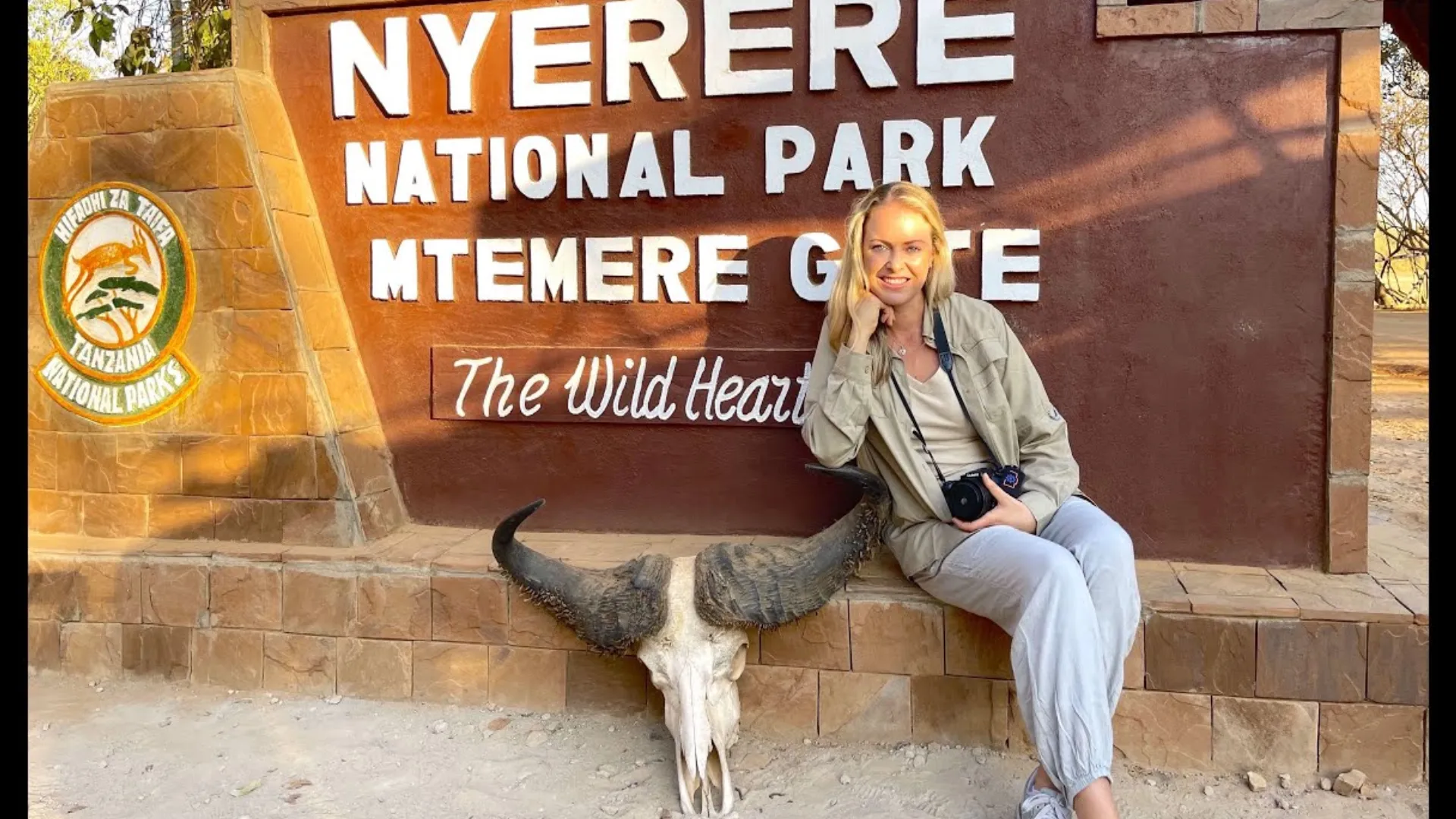
4. Ruaha & Nyerere (Selous) – Tanzania’s Wild South
Why Visit?
For those seeking exclusivity and untouched wilderness, southern Tanzania delivers thrilling Big Five encounters with far fewer tourists.
Key Highlights:
Ruaha National Park:
Large Lion Prides: One of East Africa’s highest lion densities.
Buffalo Herds: Massive groups roam the rugged terrain.
Nyerere National Park (Selous):
Rhino Reintroduction: A growing population of black rhinos.
Remote Leopard Sightings: Less pressure means more relaxed predators.
Best Time to Visit: June–October (dry season for best game viewing).
Best Time for a Big Five Safari in Tanzania
June–October (Dry Season):
Animals cluster around water sources, making sightings easier.
Clear skies and minimal vegetation improve visibility.
January–March (Green Season):
Lush landscapes, fewer crowds, and excellent predator action during calving season.
Types of Big Five Safaris
1. Classic Northern Circuit (7-10 Days)
Covers: Serengeti, Ngorongoro, Tarangire
Perfect For: First-time visitors wanting guaranteed Big Five sightings.
2. Luxury Big Five Safari
Stays At: High-end lodges like Singita Grumeti, Four Seasons Serengeti, or &Beyond properties.
Includes: Private guides, gourmet dining, and premium game drives.
3. Photographic Safari
Focus: Optimal lighting, specialized vehicles for photographers.
Best For: Wildlife photographers seeking perfect shots of leopards and lions.
4. Southern Tanzania Explorer (Ruaha + Selous)
For: Adventurers wanting off-the-grid Big Five encounters.
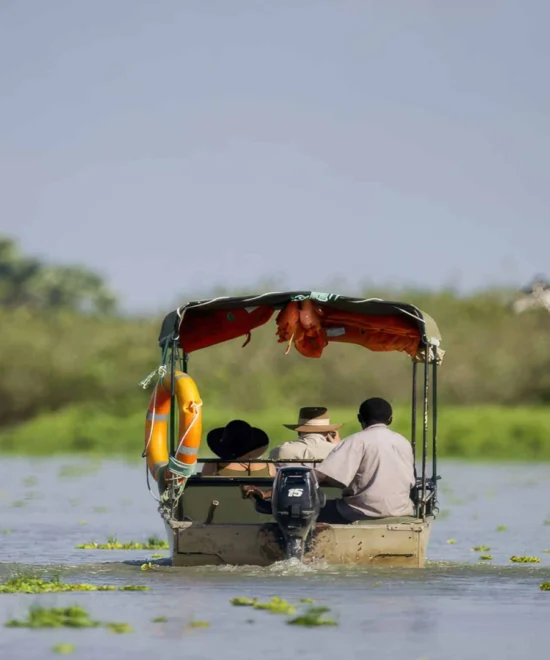
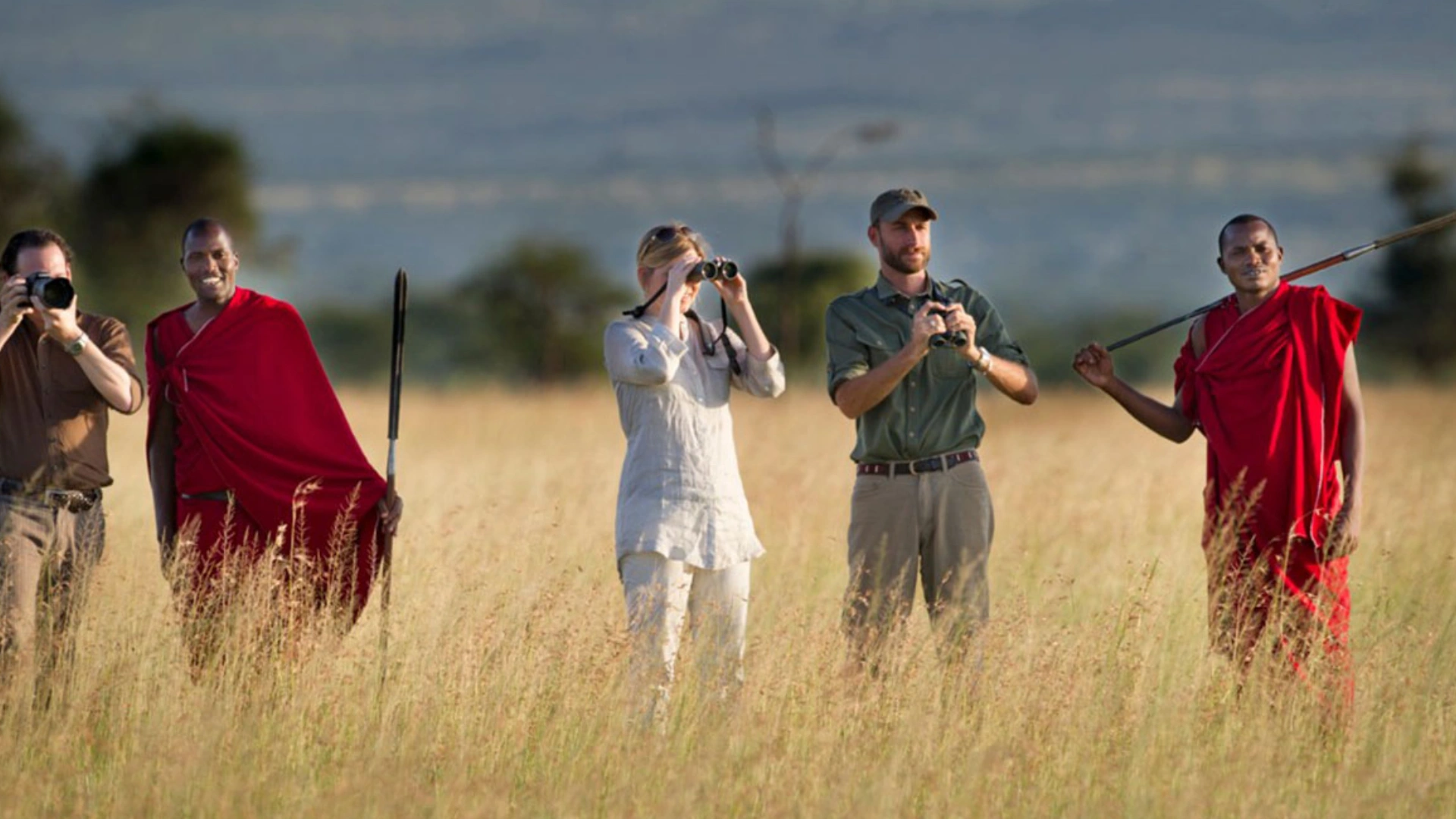
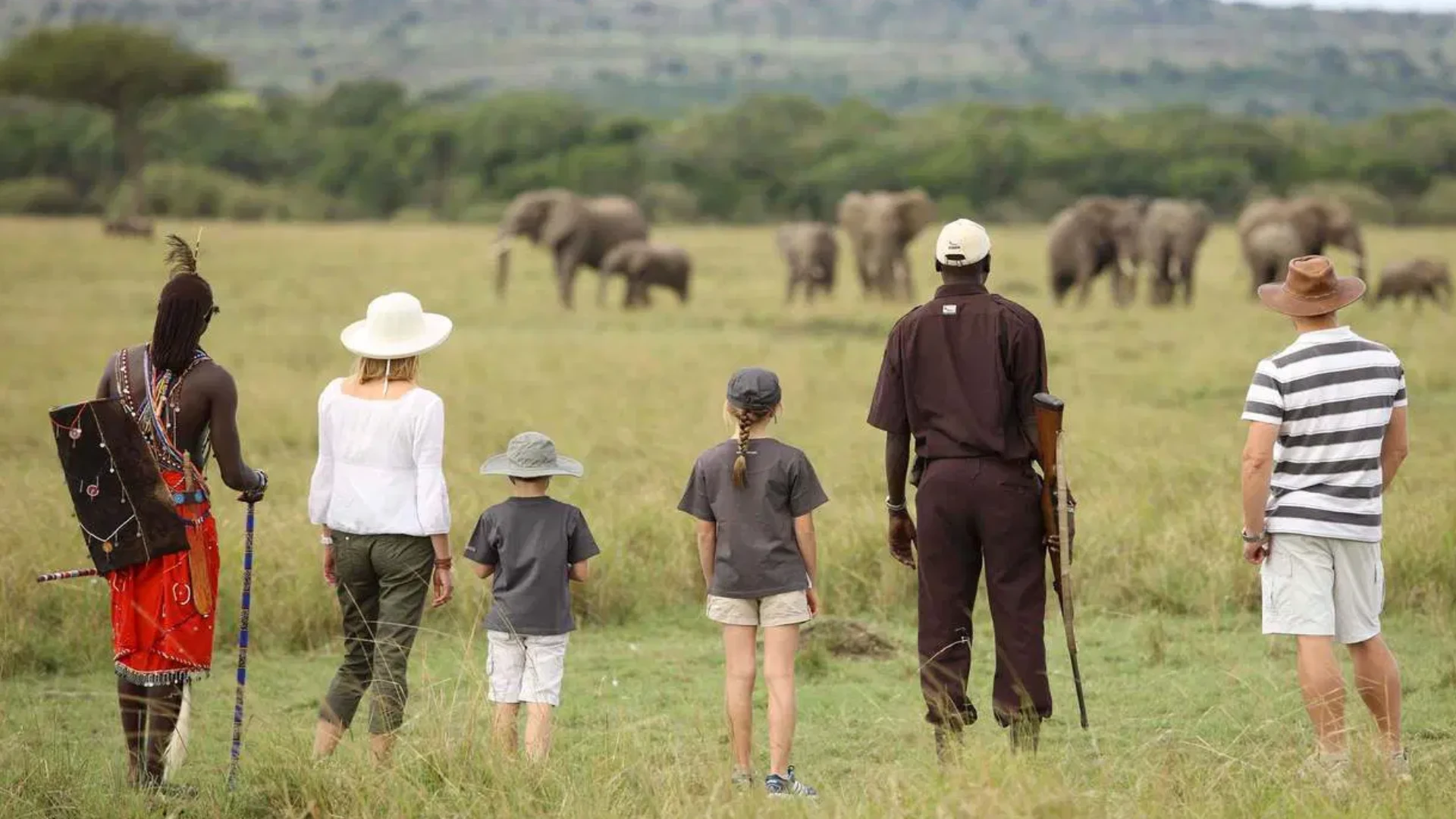
Experience: Walking safaris, boat trips, and rare rhino sightings.
Essential Big Five Safari Tips
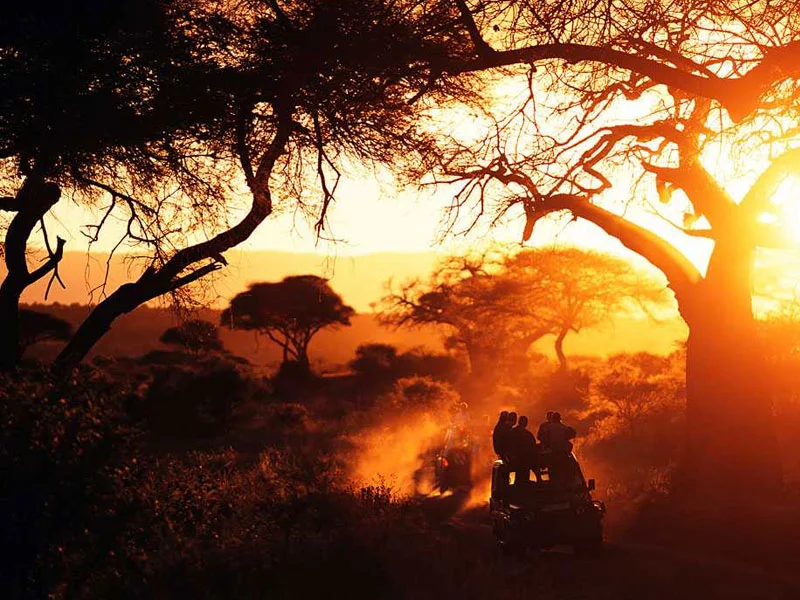
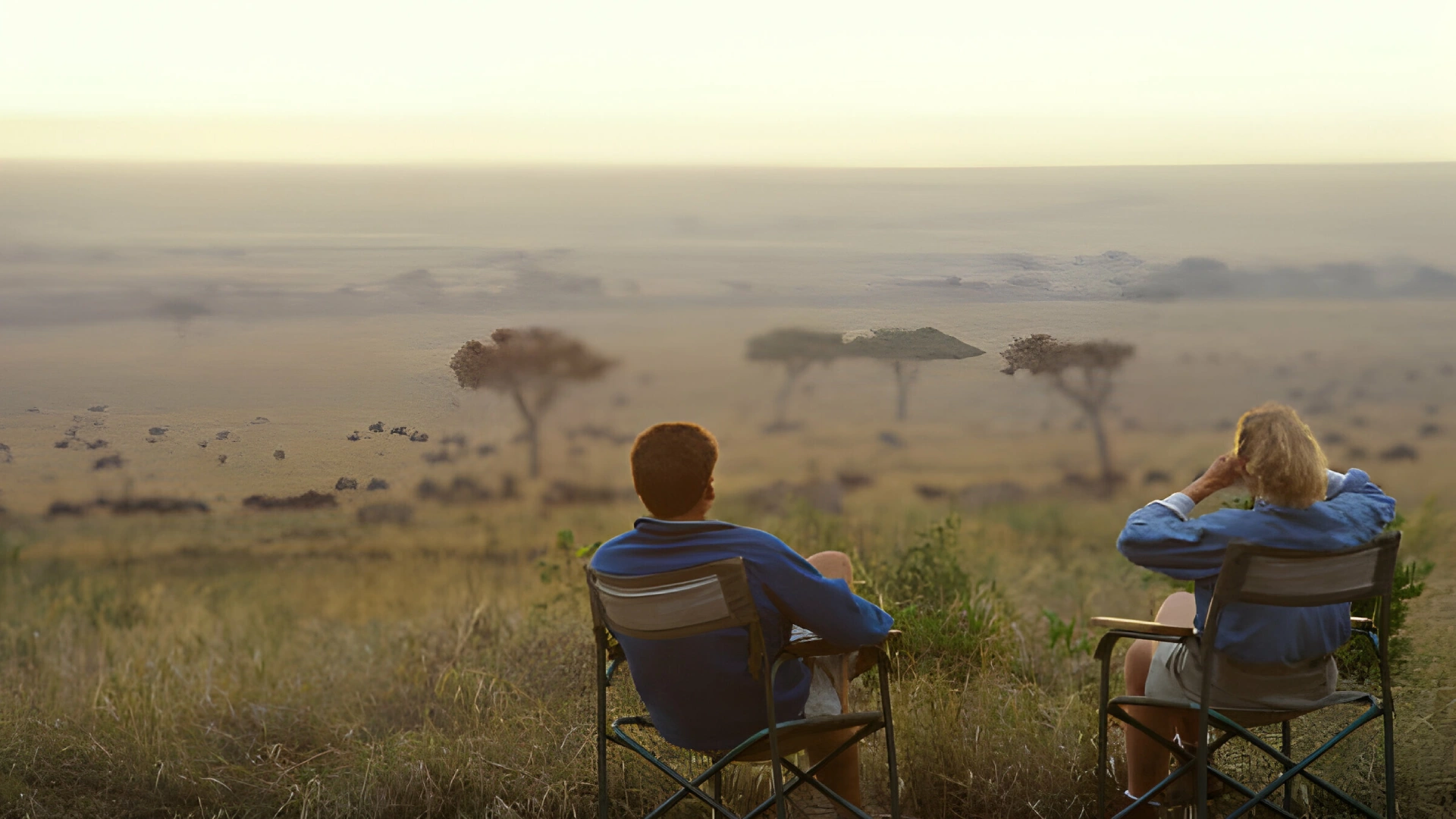
✔ Game Drives at Dawn/Dusk – Animals are most active during cooler hours.
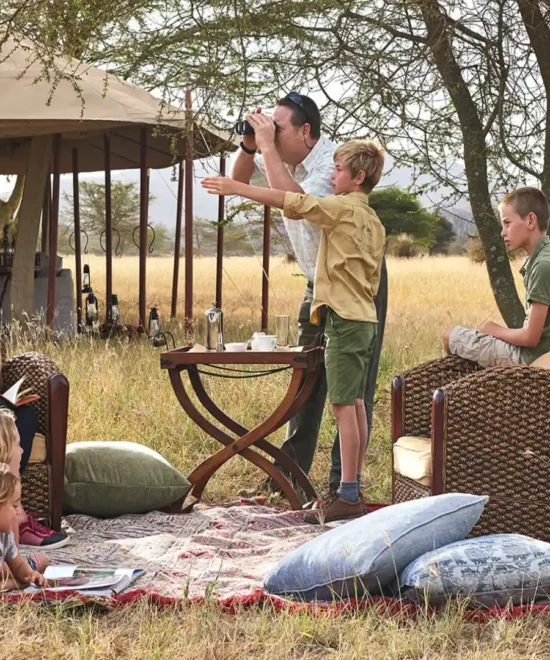
✔ Bring Quality Binoculars – Crucial for spotting rhinos in Ngorongoro.
✔ Choose the Right Season – Dry months (June–Oct) for best wildlife density.
✔ Expert Guides Matter – They track elusive leopards and know rhino territories.
✔ Pack Neutral Colors – Avoid bright clothing to blend into the safari environment.
Why Tanzania is the Best for Big Five Safaris
- Higher Success Rates – More reliable rhino and leopard sightings than many African parks.
- Combines with the Great Migration – Adds dramatic wildlife spectacles.
- Diverse Landscapes – From crater floors to savannas and riverine forests.
- Fewer Crowds in the South – Ruaha and Selous offer exclusive encounters.
Experience the Ultimate African Wilderness
Nice Accommodation
Tailor-Made Safaris
Expert Guides
7-Day Northern Tanzania Elephant Safari
8-Day Serengeti Wildebeest Migration Safari
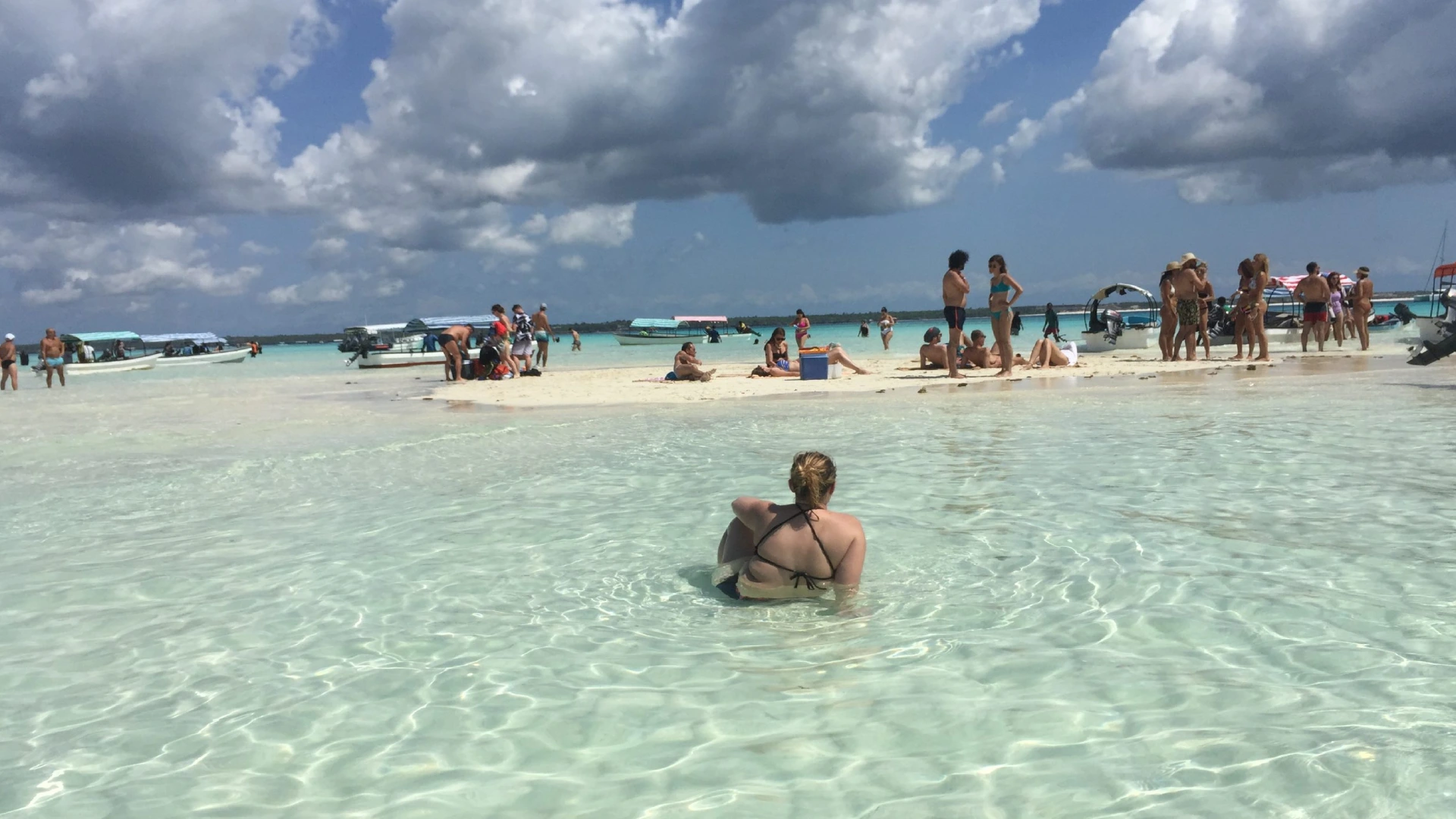
11-Day Tanzania Safari & Zanzibar Beach Escape
Find Your Dream Safari Destination

Manyara

Arusha

Mikumi
Why Book with us
Tailored Customization
Your journey, your way. Experience the freedom to customize your adventure, ensuring it aligns perfectly with your preferences and desires.
Smart Planning
Our team of qualified safari experts knows how to tailor your adventure to your individual travel style
Expertise and Experience
Benefit from our extensive expertise and years of experience, ensuring a well-planned and smoothly executed travel itinerary.
Trusted travel guide
Annually approved for tour operating activities by the Ministry of Natural Resources and Tourism
Frequently Asked Questions On Tanzania Big Five Safaris
The “Big Five” refers to five iconic and historically challenging animals to hunt on foot. Today, it signifies the most sought-after wildlife sightings on a safari. In Tanzania, these are:
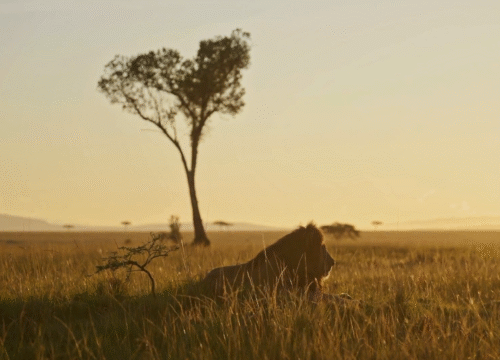
- Lion: The king of the savannah, often seen in prides, particularly in the Serengeti and Ngorongoro Crater.
- Leopard: The most elusive of the Big Five, known for its incredible camouflage and often spotted resting on tree branches. Seronera in the Serengeti is a good place to look.
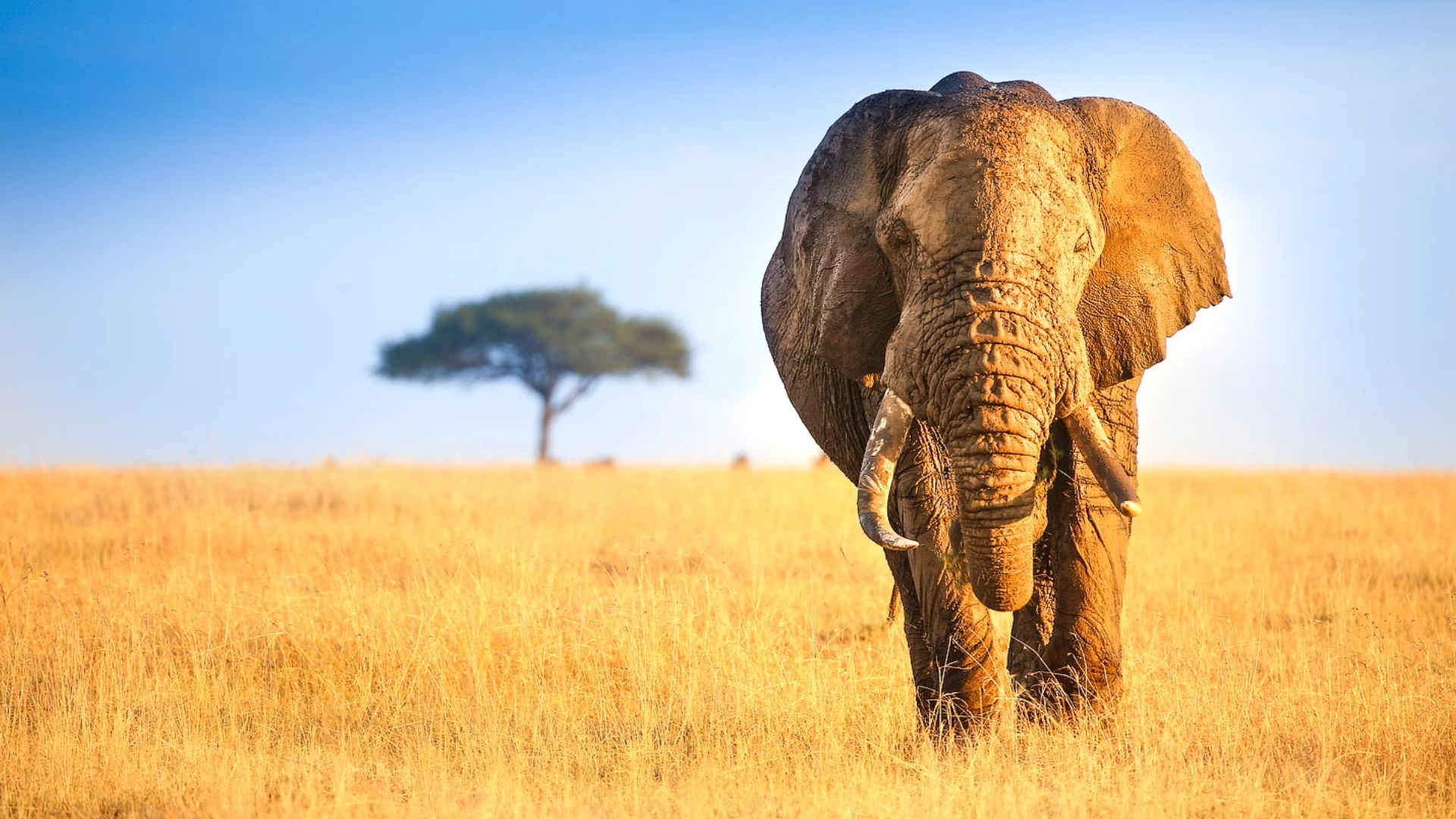
- Elephant: The world’s largest land animal, frequently seen roaming the plains and woodlands, especially in Tarangire National Park.
- <strong>Buffalo (African Buffalo): One of Africa’s most dangerous animals, often found in large herds near waterholes.
- Rhinoceros: The most critically endangered of the Big Five due to poaching. Both black and white rhinos exist, though black rhinos are more commonly found in Tanzania. Ngorongoro Crater offers some of the best chances for rhino sightings.
Tanzania boasts several national parks and conservation areas where you have excellent chances of spotting the Big Five:
- Serengeti National Park:</strong> Famous for its vast plains and home to large populations of lions, leopards (especially in Seronera), elephants, and buffalo. Rhinos are the most challenging to find here, but they do exist.
- Ngorongoro Conservation Area: The Ngorongoro Crater is a natural wonder, offering a high concentration of wildlife, including all of the Big Five, within its relatively small caldera. It’s often considered one of the best places to see the rhino.
- Tarangire National Park: Known for its large elephant herds and iconic baobab trees. You can also find lions, leopards, and buffalo here.
- Lake Manyara National Park: While smaller, it’s home to a diverse array of wildlife, including elephants, buffalo, and tree-climbing lions (though sightings of the latter are not guaranteed).
The dry season, from <strong>late June to October, is generally considered the best time for wildlife viewing. During this period:
- Vegetation is less dense, making animals easier to spot.
- Animals gather around waterholes and rivers due to limited water sources.
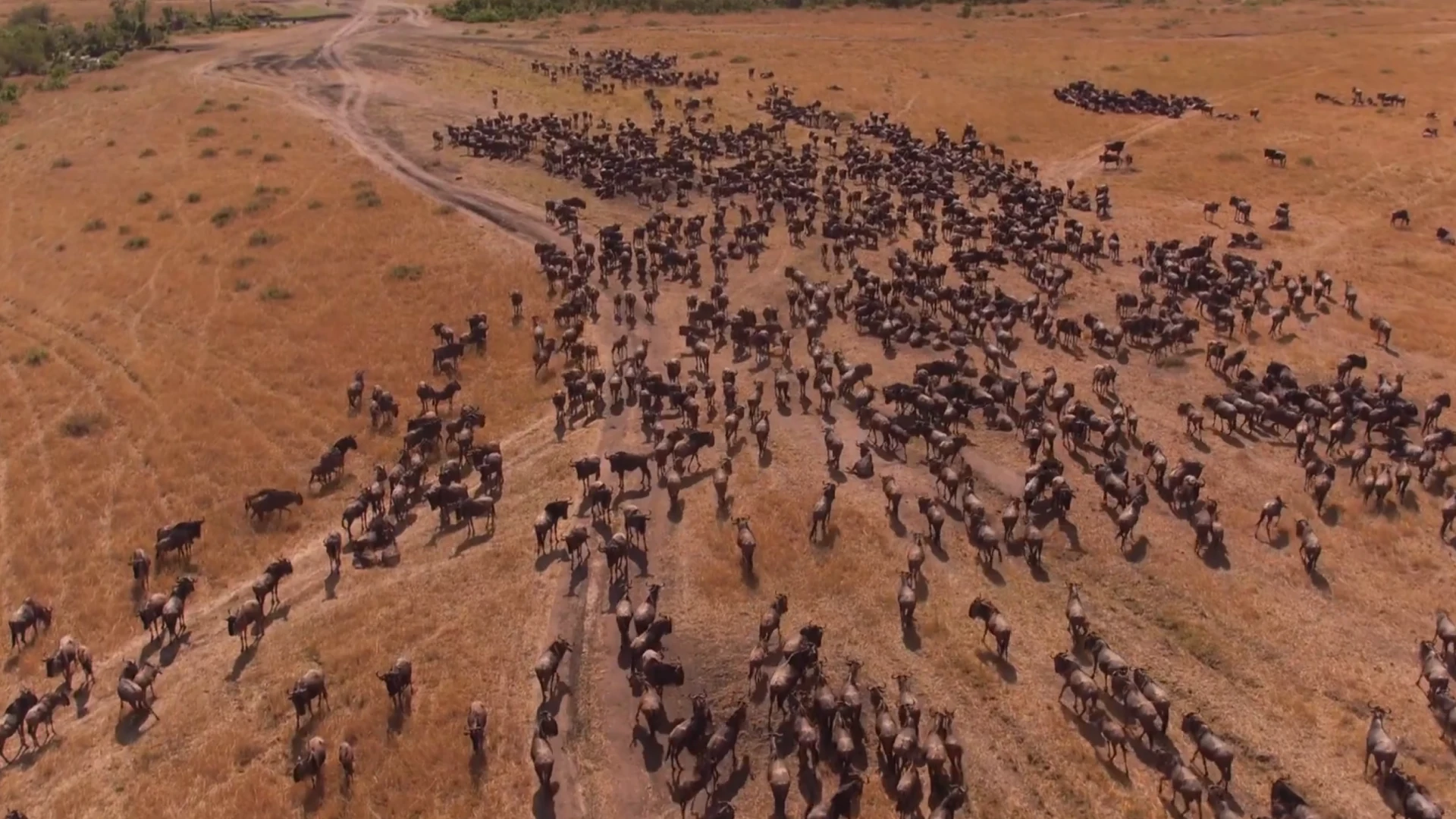
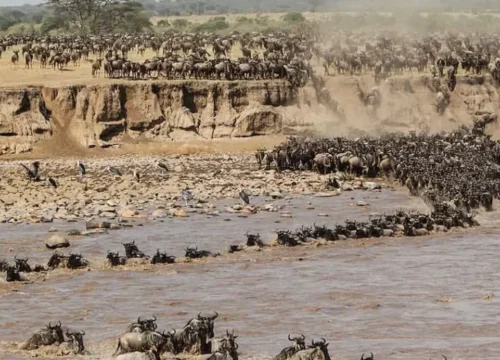
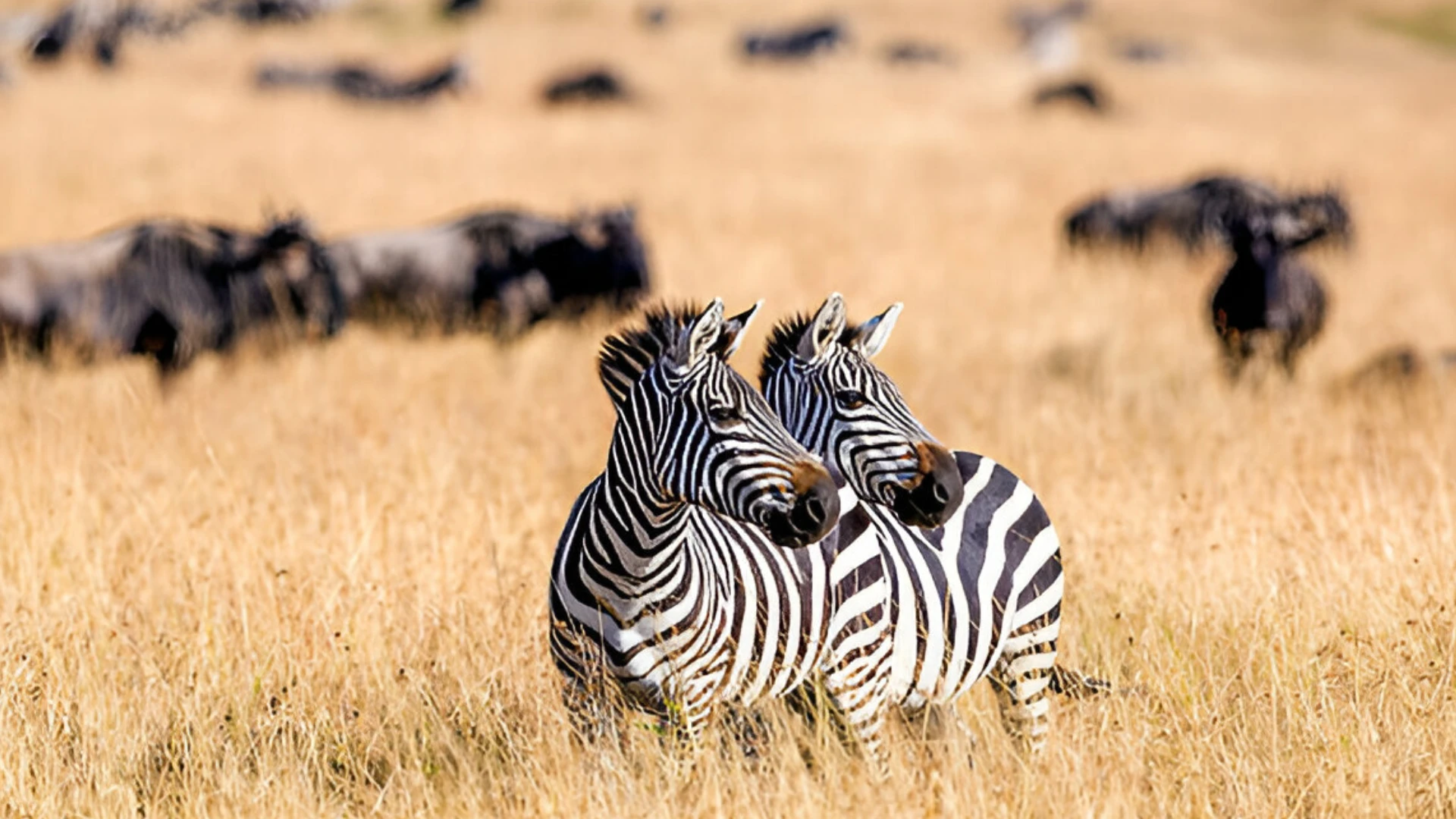
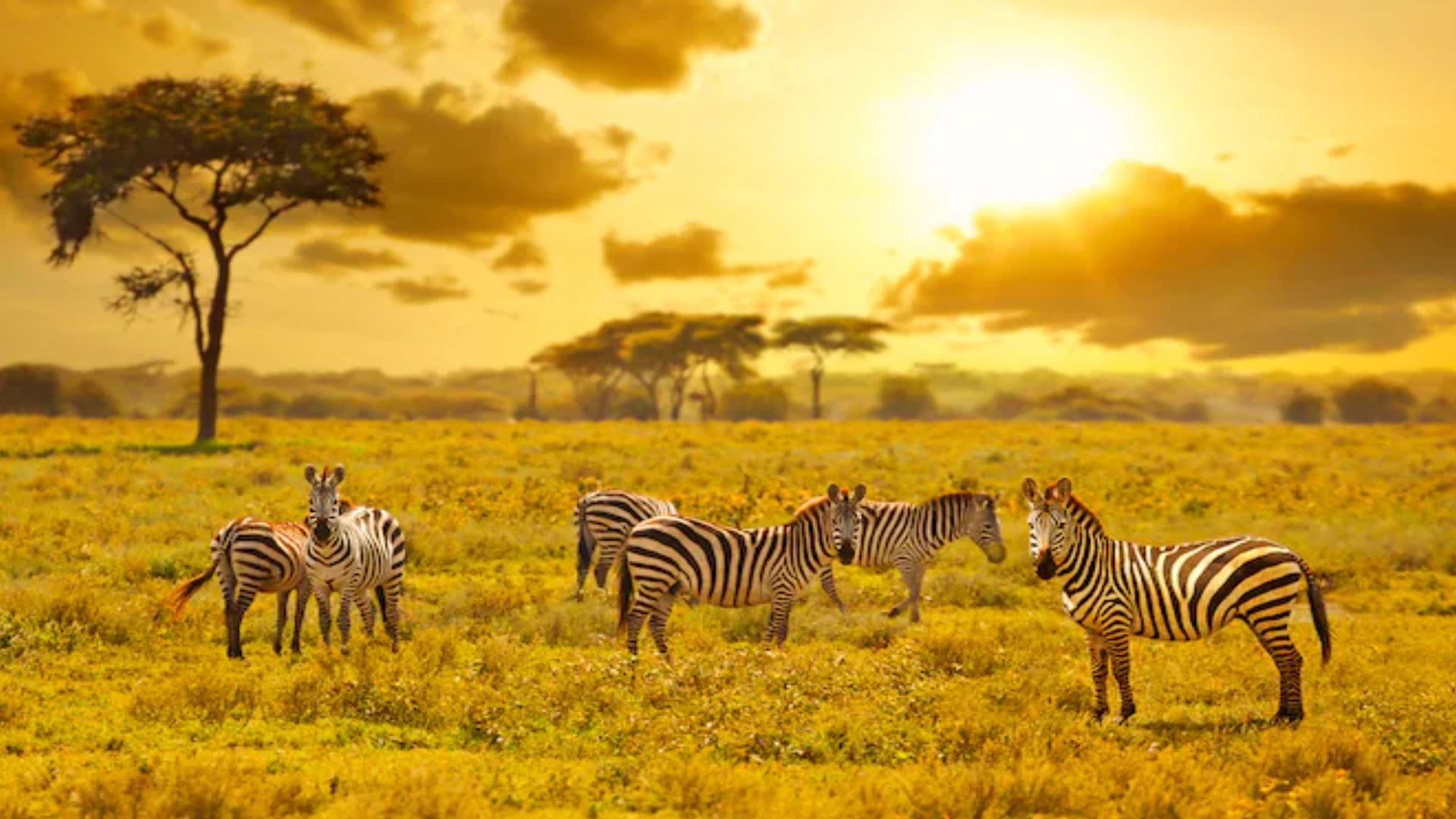
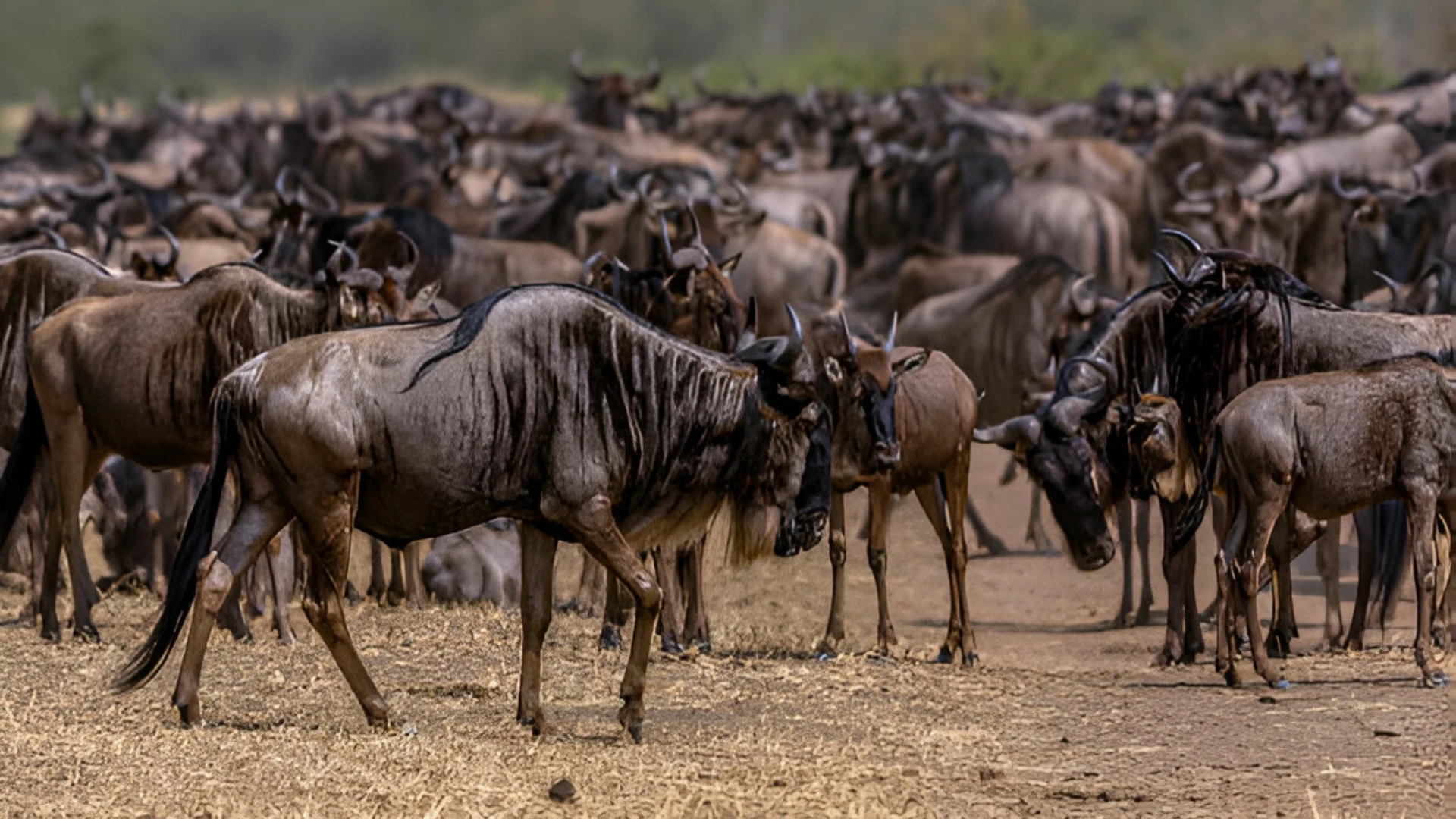
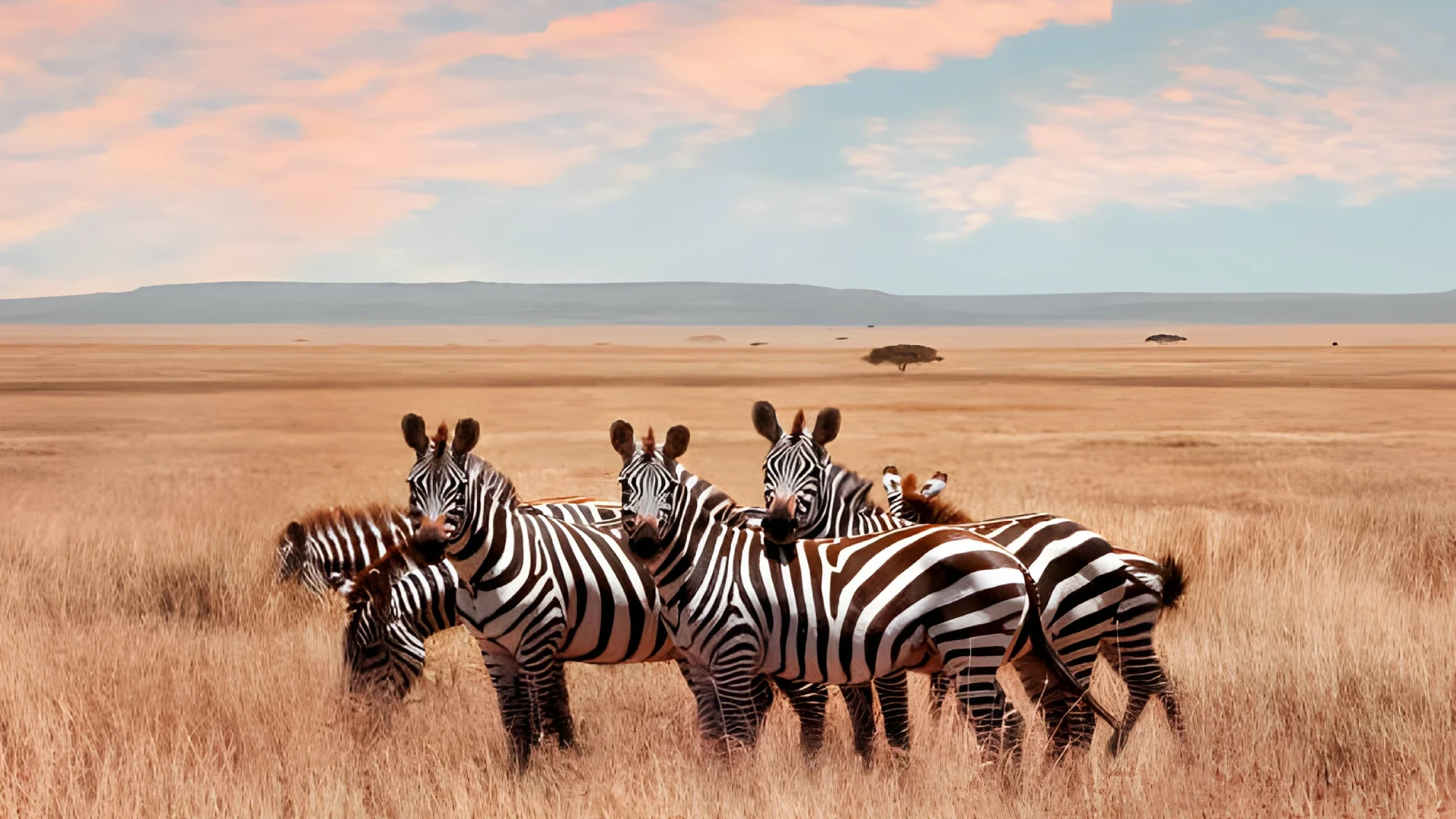
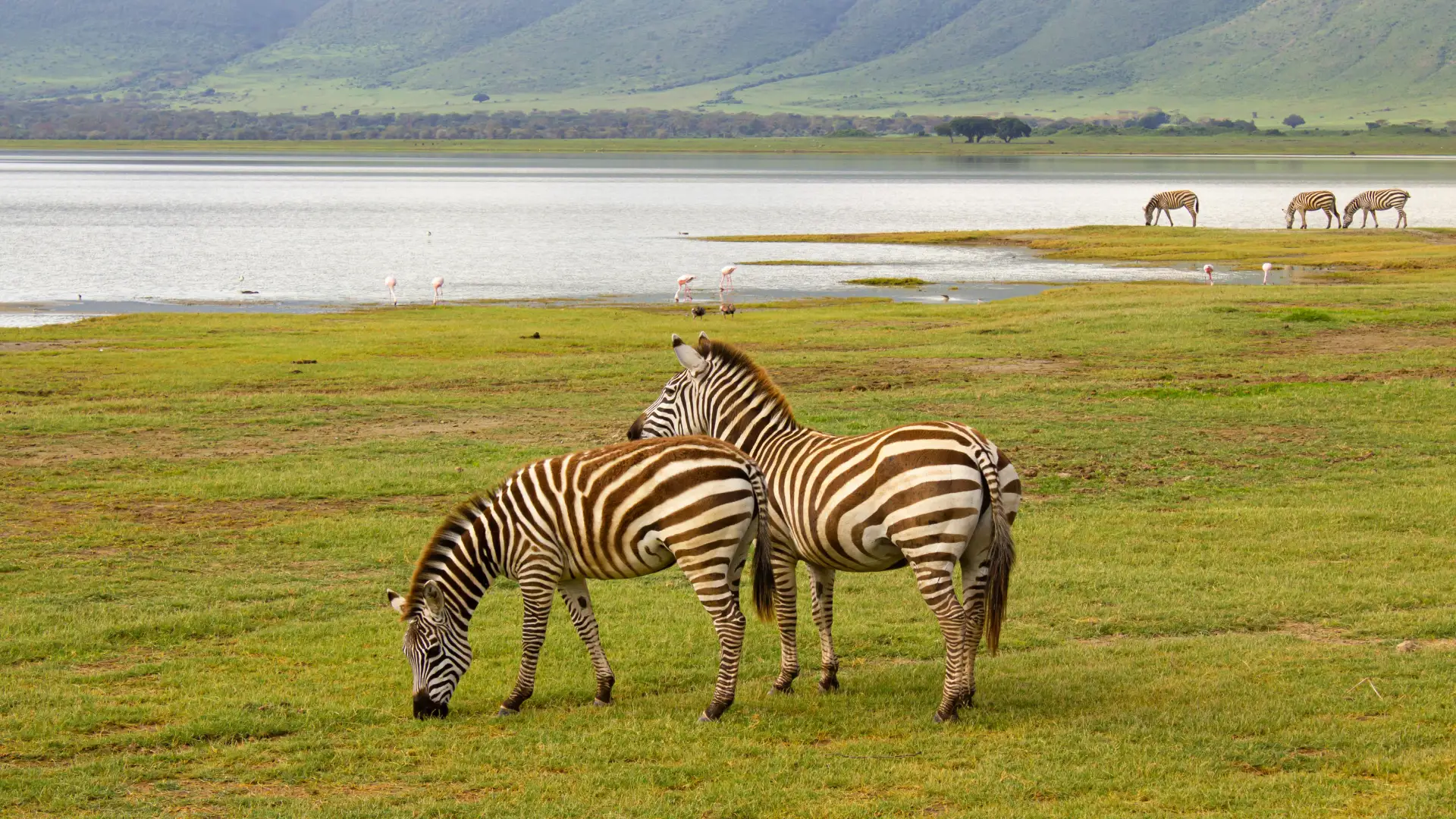
- This also coincides with the Great Migration in the Serengeti, offering dramatic scenes of wildebeest and zebra herds, which attract predators.
The wet season (November to May) also has its advantages:
- The landscape is lush and green, offering beautiful photographic opportunities.
- There are fewer tourists, leading to a more intimate safari experience.
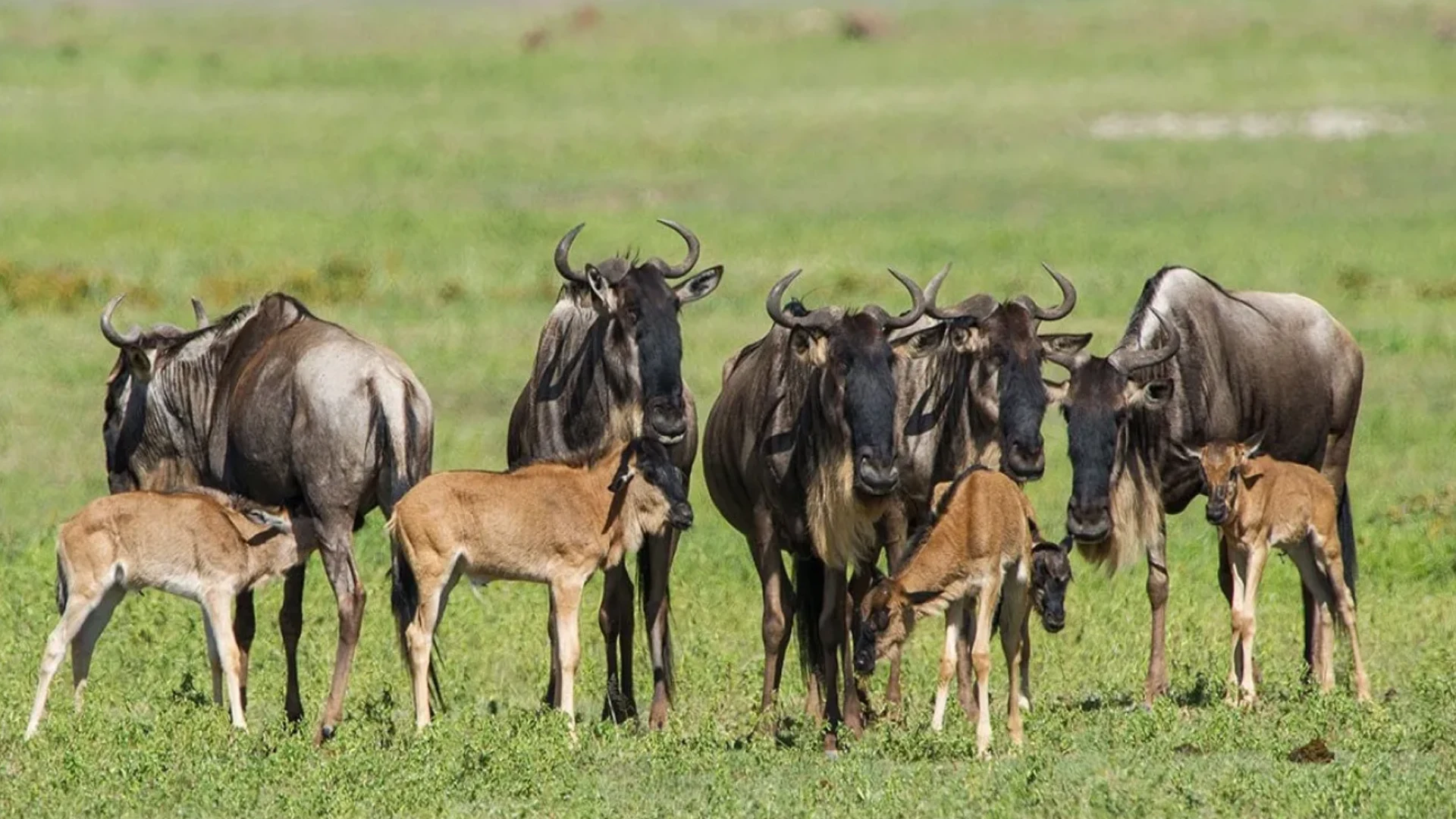
- It’s calving season (January to March) for many animals, meaning lots of baby animals and increased predator activity.
- It’s a fantastic time for birdwatching as migratory birds are present.
Most Big Five safaris in Tanzania range from 5 to 8 days, allowing sufficient time to explore multiple parks and maximize your chances of seeing all the Big Five. A typical itinerary might include 2-3 days in Serengeti, 1-2 days in Ngorongoro Crater, and a day or two in Tarangire or Lake Manyara.
The cost of a Big Five safari in Tanzania varies significantly based on factors such as:
- Duration: Longer safaris generally cost more.</li>
- Accommodation: Options range from budget camping to classic tented camps and luxury lodges.
- Group Size: Prices per person tend to decrease with
- larger groups.
- Time of Year: Peak season (dry season) often has higher prices.
- Inclusions: What’s covered (flights, guides, park fees, meals, activities, etc.) will impact the total cost.
As a rough estimate, a 5-day Big Five safari can range from around $1,100 – $2,700 USD per person for budget/camping safaris to $4,000 – $5,000+ USD per person for luxury safaris.
Tanzanian Safari Experiences
Tanzania Wildcats Safari Guides
Guest Experience from our Responsible Conservation Safari in Tanzania
Our Best Family Holiday Destinations in Tanzania
Top 10 Things to Know About Ngorongoro Crater
Tanzania’s Most Extraordinary Wildlife Experiences
The Best Places to Go on Tanzania Safari in 2026
Complete Guide to a Serengeti Wildebeest Migration Safari
REQUEST A PROGRAM
We are always here to help