

Best Time To Climb Kilimanjaro
Climbing Kilimanjaro Guide
Trekking Features
Tent Camping
Tailor-Made Safaris
Smart Planning
Start Date
Trekking Safety
Quality Control
Quick booking process
+255 622 191 154
What Is the Best Time to Climb Mount Kilimanjaro?
The Best Time to Climb Mount Kilimanjaro is from June to March. These months offer optimal weather conditions, including clear skies, minimal rain, and abundant sunshine, enhancing the Mount Kilimanjaro Climbing experience. But do remember that these weather patterns can shift unexpectedly, regardless of the season.

Kilimanjaro Altitude
Technically, Kilimanjaro is accessible year-round. There are different Kilimanjaro Routes that can be used in the Rainy Season that make it more accessible and provide favourable conditions for the climb. Therefore, our trek experts at African Scenic Safaris recommend hiking all year round. Try and avoid the primary rainy seasons, April and May are wise due to potentially hazardous trail conditions.
All You Need To Know Before Climbing Kilimanjaro
Climbing Mount Kilimanjaro is a monumental challenge and an unforgettable adventure. As the highest peak in Africa and the world’s tallest freestanding mountain, it doesn’t require technical mountaineering skills, but it demands careful planning and preparation. Here’s everything you need to know before you embark on your journey to the “Roof of Africa.”
1. Choosing the Right Route
Kilimanjaro offers several trekking routes, each with its own characteristics, scenery, and acclimatization profile. Choosing the right one is crucial for your success and enjoyment.
Machame Route (“Whiskey Route”): One of the most popular routes. It’s known for its stunning scenery and excellent acclimatization profile due to its “climb high, sleep low” design. It’s a camping-only route, typically done in 6 or 7 days.
Lemosho Route: A scenic, remote route that is gaining popularity. It’s longer (7-9 days) and has one of the highest summit success rates due to its gradual ascent. It merges with the Machame Route after a few days.
Marangu Route (“Coca-Cola Route”): The oldest and most famous route. It’s the only one with hut accommodations, making it a popular choice. However, its short, 5-day itinerary has a poor acclimatization profile and a lower success rate. The 6-day option is highly recommended.
Rongai Route: The only route that approaches the mountain from the north. It’s less crowded and drier, making it an excellent choice during the rainy season. It is a camping route and has a high success rate.
Northern Circuit Route: The newest and longest route (9 days). It circumnavigates the northern, less-traveled side of the mountain. It has the highest summit success rate due to its long duration and superior acclimatization profile.
Umbwe Route: The shortest, steepest, and most challenging route. It’s not recommended for novice climbers as its rapid ascent profile makes acclimatization very difficult.
2. Physical and Mental Preparation
Kilimanjaro is a trek, not a technical climb, but it is physically and mentally demanding.
Physical Fitness: Focus on cardiovascular health and endurance. The best way to train is by hiking, especially on hills or with a weighted pack. Aim for 3-5 training sessions per week for at least 2-3 months before your climb.
Mental Fortitude: The climb is as much a mental game as a physical one. Be prepared for long days, cold nights, and the challenges of altitude. A positive attitude and an unwavering determination are your most important assets.
Pole Pole (“Slowly, Slowly”): This Swahili phrase will become your mantra. Walking slowly and steadily is the key to conserving energy and allowing your body to acclimatize to the altitude.
3. The Threat of Altitude Sickness
Altitude sickness is the primary reason why climbers fail to reach the summit. It can affect anyone, regardless of fitness level.
Symptoms: Be aware of the early signs, including headaches, nausea, dizziness, fatigue, and loss of appetite.
Prevention: The best way to prevent altitude sickness is through a gradual ascent. This is why longer routes with more days on the mountain have higher success rates. Your guides will also perform regular health checks and monitor your oxygen levels.
Medication: Consult with your doctor about prescription altitude medications like Diamox, which can help prevent and alleviate symptoms.
Descent is the Cure: If symptoms worsen, the only cure for serious altitude sickness is to descend immediately. Your guides are trained to recognize these signs and will prioritize your safety.
4. What to Pack and Wear
Kilimanjaro has five distinct climate zones, so you need to be prepared for everything from humid rainforest to arctic conditions. The key is to pack in layers.
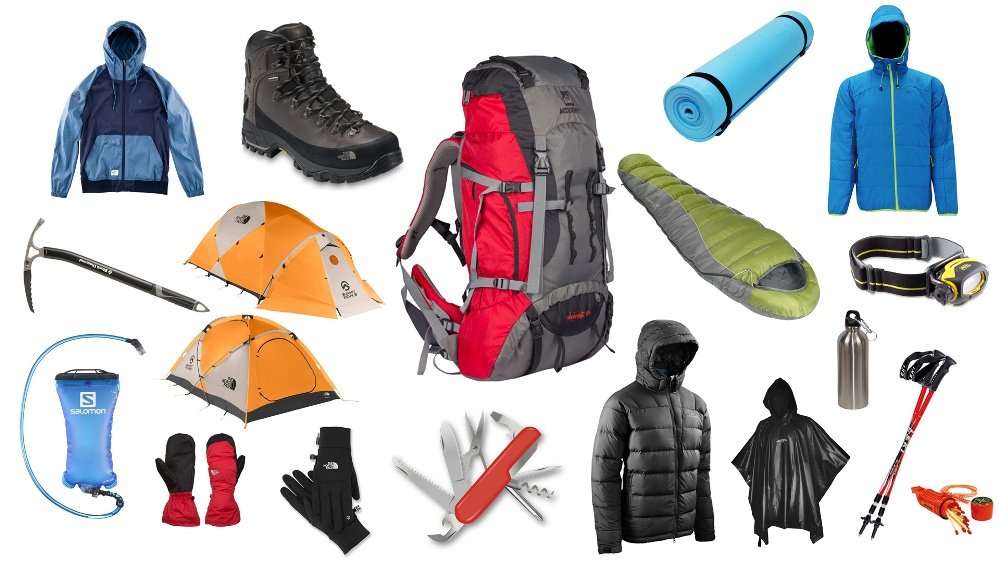
Layered Clothing: Pack a moisture-wicking base layer, a warm mid-layer (fleece or down), and a waterproof/windproof outer shell.
Footwear: Sturdy, broken-in, waterproof hiking boots are a must. Bring a pair of comfortable camp shoes.
Essentials: A four-season sleeping bag, a headlamp, a sun hat, warm gloves, a beanie, sunglasses, and trekking poles.
Hydration: Bring a hydration bladder and water bottles. Staying hydrated is critical for acclimatization and overall well-being on the mountain.
5. Cost and Logistics
Cost: The cost of a Kilimanjaro climb varies widely, from $1,500 to over $6,000. This depends on the route, duration, and the level of service provided by the tour operator. A reputable, mid-range company will typically cost between $2,500 and $4,000 and will include all park fees, guides, porters, and meals.
Guides and Porters: It is a legal requirement to climb with a licensed guide and porters. This team is essential for your safety and comfort. They will set up your camp, cook your meals, and carry your heavy gear.
Tipping: Tipping is a standard and expected part of the Kilimanjaro experience. A reputable operator will provide a clear tipping guideline.
Travel Insurance: Comprehensive travel insurance is mandatory. It should cover medical emergencies, trip cancellation, and high-altitude trekking.
Kilimanjaro Routes & Weather
Choosing the right route and the best time of year are two of the most critical decisions you’ll make when planning your Mount Kilimanjaro climb. They directly impact your safety, enjoyment, and, most importantly, your chance of summiting.
Kilimanjaro Trekking Routes: An Overview
Mount Kilimanjaro has seven official routes, each offering a distinct experience. The length of the trek is a key factor in summit success, as longer routes allow for better acclimatization.
Machame Route (“Whiskey Route”):
Duration: 6 or 7 days (7 days highly recommended).
Key Features: Highly popular and scenic. It’s known for its “climb high, sleep low” profile, which is excellent for acclimatization. It’s a camping-only route.
Summit Success Rate (7-day): High, often exceeding 85-90%.
Lemosho Route:
Duration: 7 to 9 days (8 days recommended).
Key Features: Considered by many to be the most beautiful route, offering remote, panoramic views and a high degree of solitude on the first few days. It has an excellent acclimatization profile.
Summit Success Rate (8-day): Very high, often reaching 90% or more.
Marangu Route (“Coca-Cola Route”):
Duration: 5 or 6 days (6 days recommended).
Key Features: The oldest and most famous route. It’s the only one with hut accommodations, which makes it popular but also more crowded. Its short duration makes it difficult for acclimatization.
Summit Success Rate (5-day): Low, often below 50%. The 6-day option improves this but is still lower than other routes.
Rongai Route:
Duration: 6 or 7 days.
Key Features: The only route to approach the mountain from the north, near the Kenyan border. It is generally less crowded and drier than the other routes, making it a great option during the rainy season.
Summit Success Rate: High, with the 7-day option often reaching 85-90%.
Northern Circuit Route:
Duration: 9 days.
Key Features: The longest and newest route. It’s a full circumnavigation of the mountain, offering unparalleled scenery and solitude. Its length provides the best possible acclimatization.
Summit Success Rate: The highest of all routes, often reported at over 95%.
Umbwe Route:
Duration: 5 to 7 days.
Key Features: The most challenging and steepest route, with a very direct ascent. Its rapid altitude gain makes it very difficult for acclimatization and is only recommended for experienced trekkers who are already well-acclimatized.
Kilimanjaro Weather & Best Time to Climb
Kilimanjaro’s weather is highly variable, but it follows predictable dry and wet seasons. The mountain has five distinct climatic zones, so you’ll experience everything from tropical humidity to arctic cold.
The best times to climb are during the dry seasons, which are the most popular and safest periods.
Long Dry Season (June to October):
Best Months: July, August, and September.
What to Expect: This is the peak climbing season, offering the most stable and clear weather. Skies are generally clear, and rainfall is minimal. Temperatures at high altitudes are colder, but the overall conditions are excellent for trekking and photography. Expect crowded trails and campsites, especially on popular routes like Machame and Marangu.
Short Dry Season (December to Mid-March):
Best Months: January and February.
What to Expect: This is another excellent time to climb, with clear skies and good weather. Temperatures are slightly warmer than in the long dry season. It’s also a popular time, especially around the Christmas and New Year holidays, so trails can be busy.
Rainy Seasons (Mid-March to May and November):
What to Expect: Climbing during the long rainy season (April-May) is generally not recommended unless you are an experienced trekker. Trails are muddy and slippery, and visibility is often poor due to thick cloud cover. The short rainy season (November) is often characterized by afternoon showers, but mornings and evenings can be clear.
The Advantage: Fewer crowds and lower prices.
Hiking Kilimanjaro Adventures
Tent Camping
Tailor-Made Safaris
Smart Planning

11-Day Kilimanjaro Machame Climb & Safari

REQUEST A PROGRAM
We are always here to help
Why Book with us
Safety first always
Altitude, weather, and physical demands make preparation critical when climbing Kilimanjaro
Smart Planning
Our team of qualified safari experts knows how to tailor your adventure to your individual travel style
Tent Camping
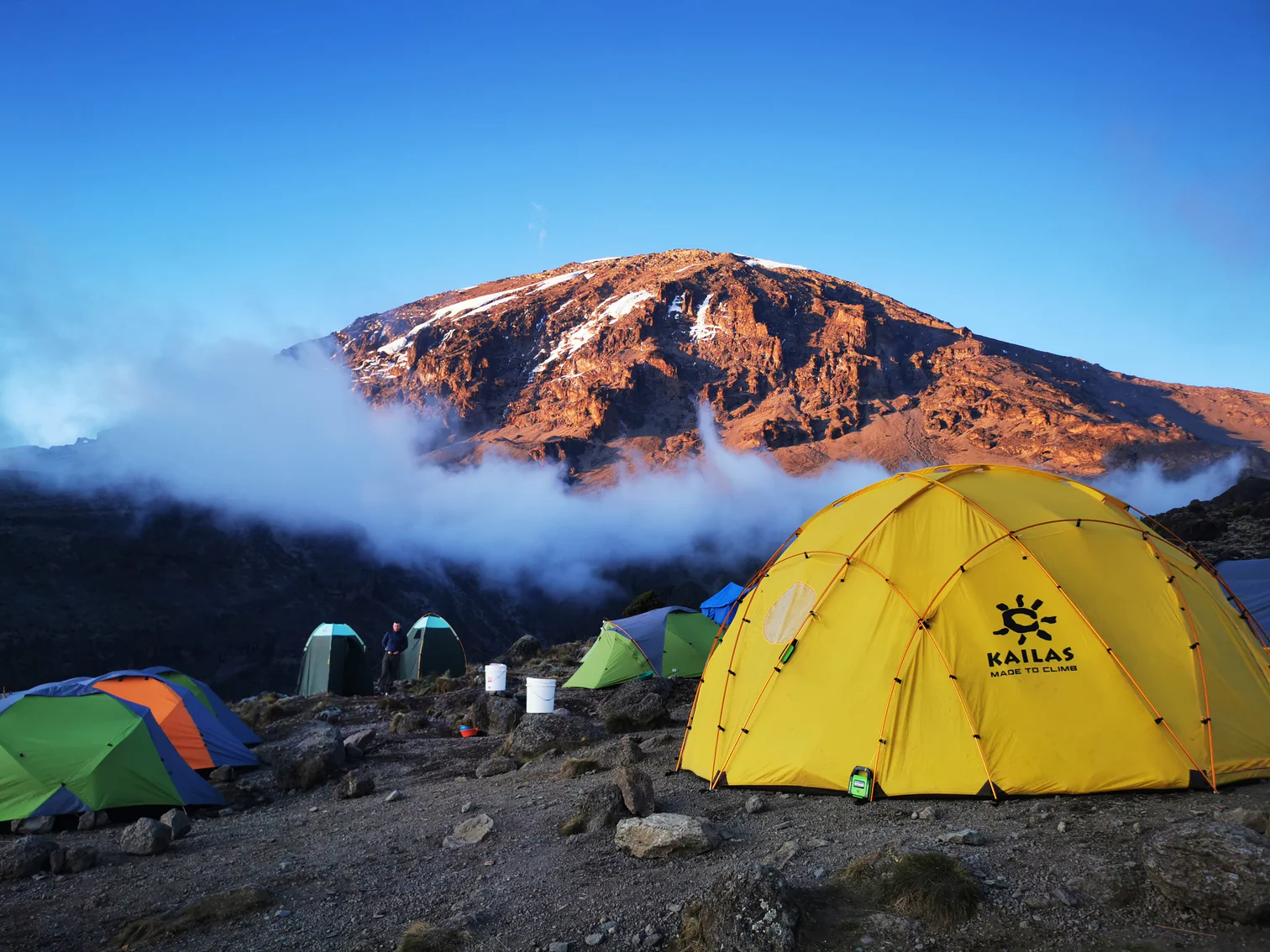
Sleeping in mountain tents along the trail (except on the Marangu Route, which uses huts)
Trusted travel guide
Annually approved for tour operating activities by the Ministry of Natural Resources and Tourism
Frequently Asked Questions On Hiking Mt. Kilimanjaro
Mt Kilimanjaro is situated in the east African country of Tanzania. Visitors arrive in the country either at Julius Nyerere International Airport near the capital, Dar es Salaam, or Kilimanjaro International Airport. From there, make your way to Moshi or Arusha, depending on the departure point for your chosen route. It is advisable to arrive a couple of days before your trek departs, so you will need to arrange accommodation if not included in your package.
The best times are during the dry seasons: June to October and December to February, offering stable weather and excellent trekking conditions.
Climbs typically last 5 to 9 days, depending on the route and acclimatization needs. Longer treks improve summit success rates.
While it is possible to climb for as little as $1500, we strongly advise against this. Operators charging low prices generally have numerous ethical shortcomings, including the mistreatment of staff. Depending on the time of year and the route you choose, you should expect to pay upwards of $2000 per person, with some “luxury” options exceeding $6000. Note, that these rates generally do not include transport, pre- and post-trek accommodation, staff gratuities or other expenses.
While space and weight are prime considerations, it is better to have something and not need it, than vice versa. Porters will assist in carrying the bulk of your belongings but you should limit yourself to essentials, ideally items that are tried and tested. Read our comprehensive Kilimanjaro Packing List.
Tanzanian Safari Experiences
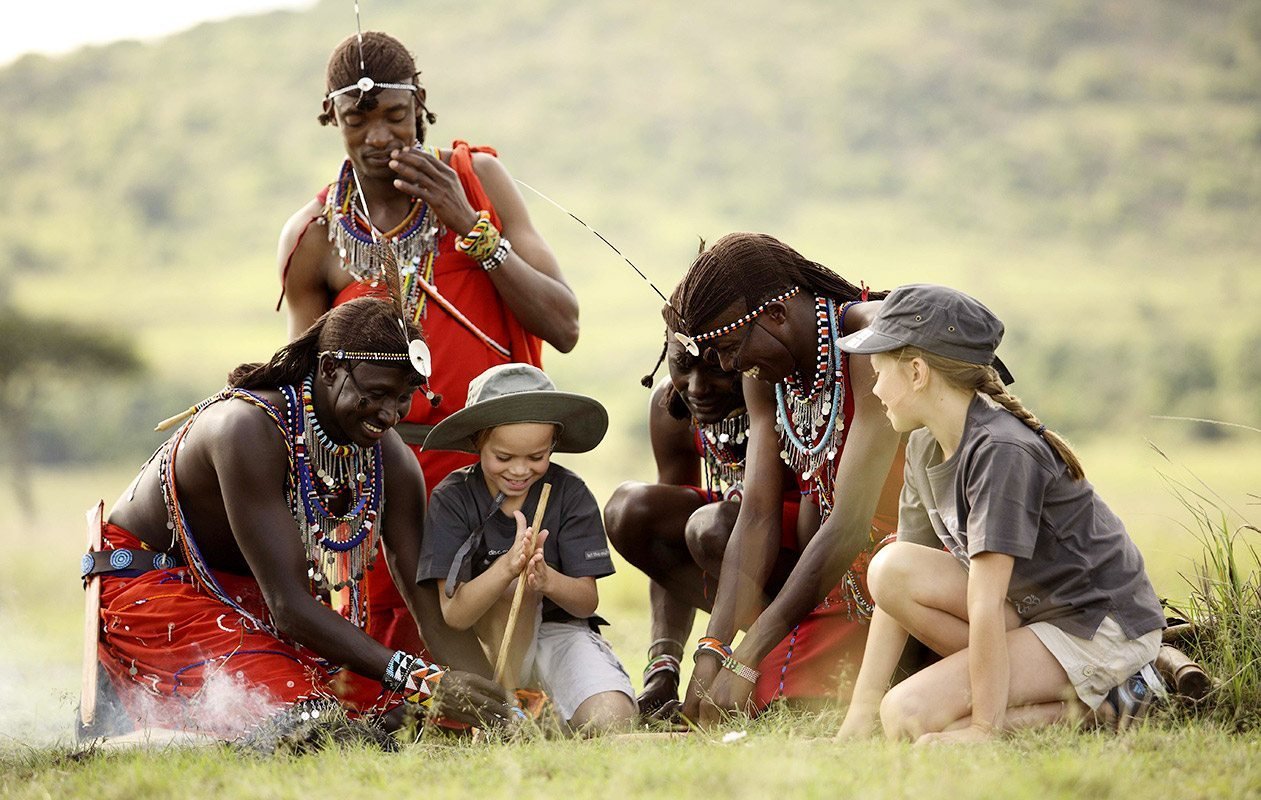
Ecolegacy Africa Safari Guides
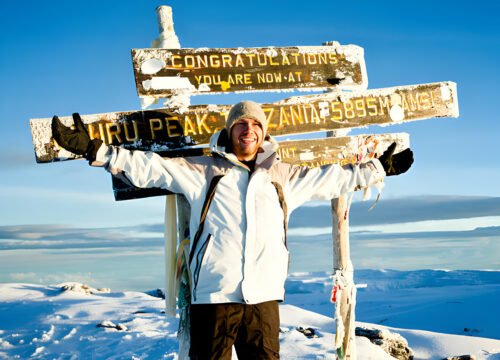
How Challenging Is It to Summit Mount Kilimanjaro?
What is the cost of hike mount Kilimajaro?
REQUEST A PROGRAM
We are always here to help