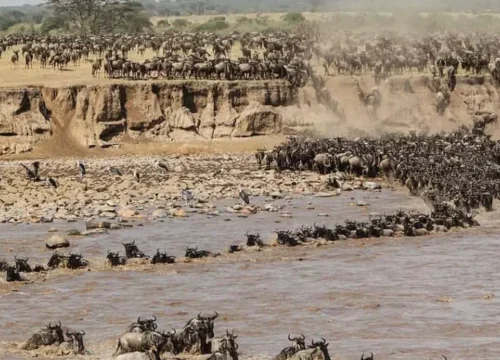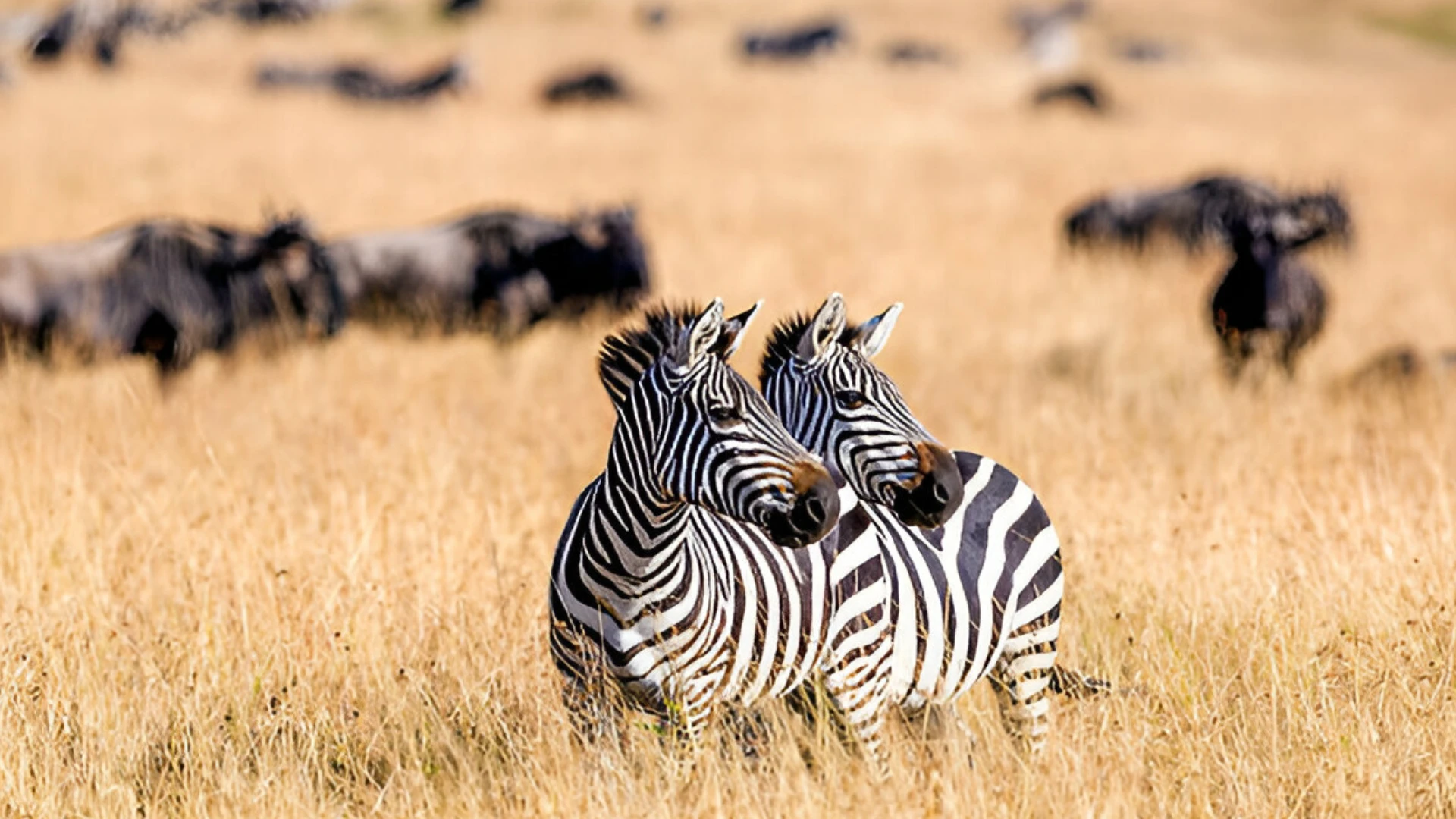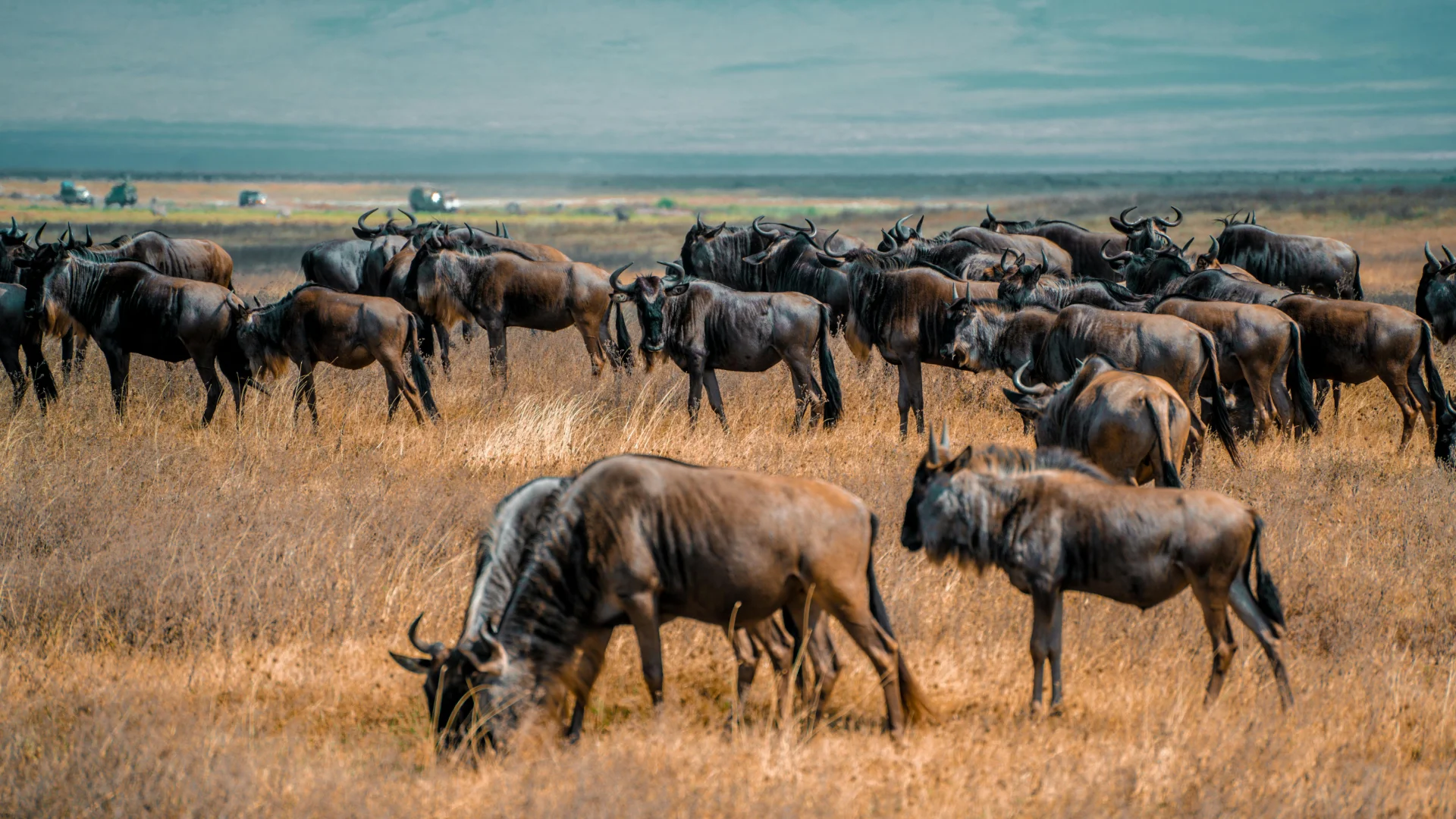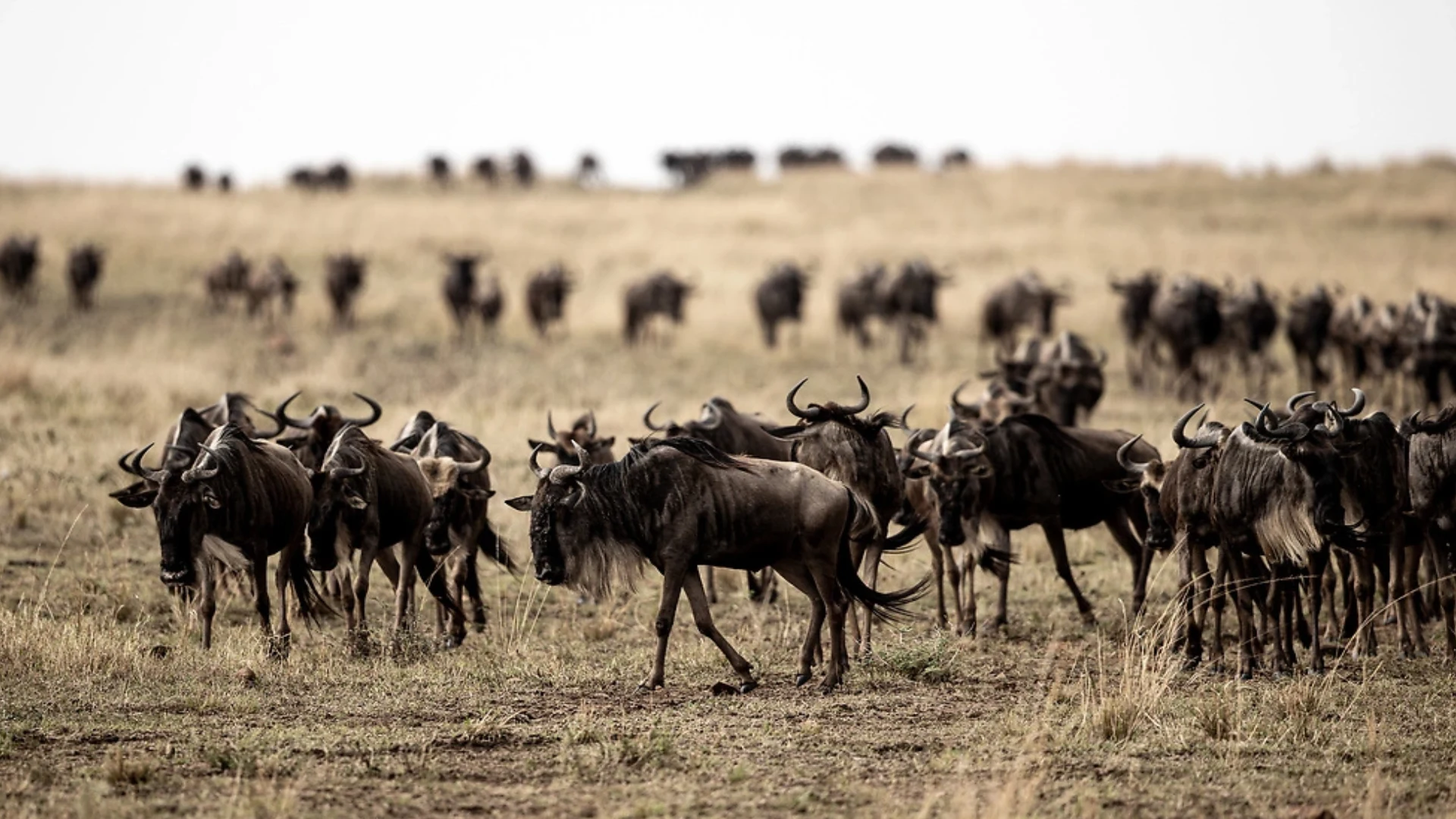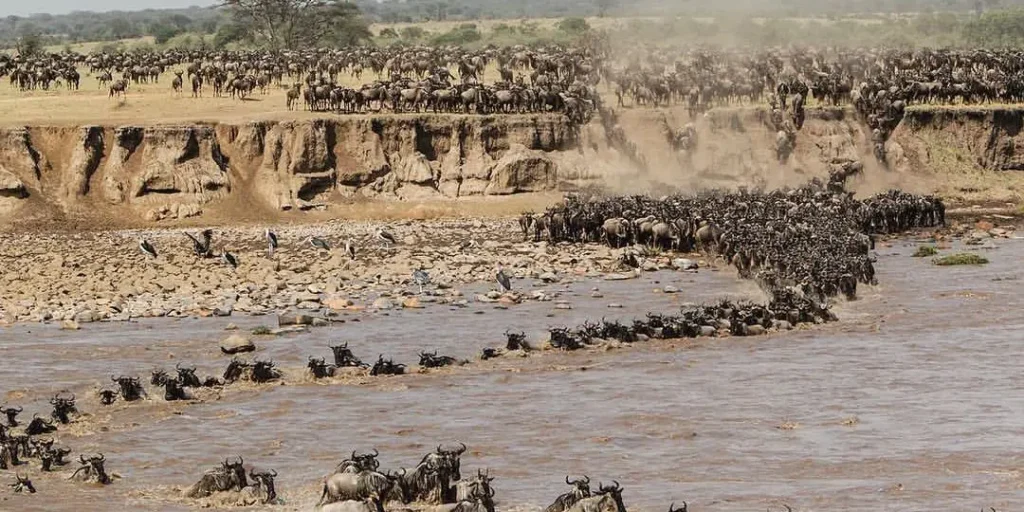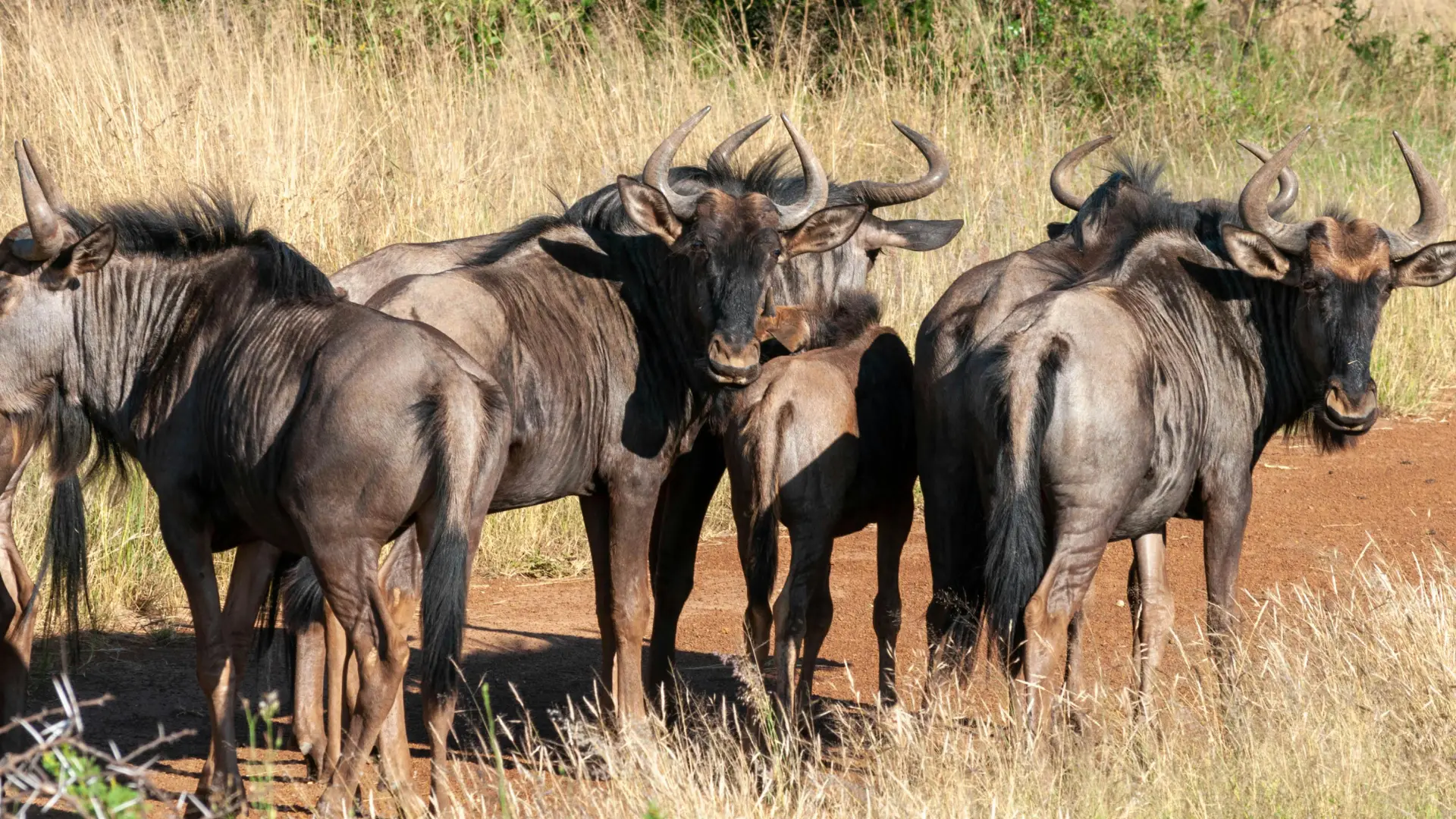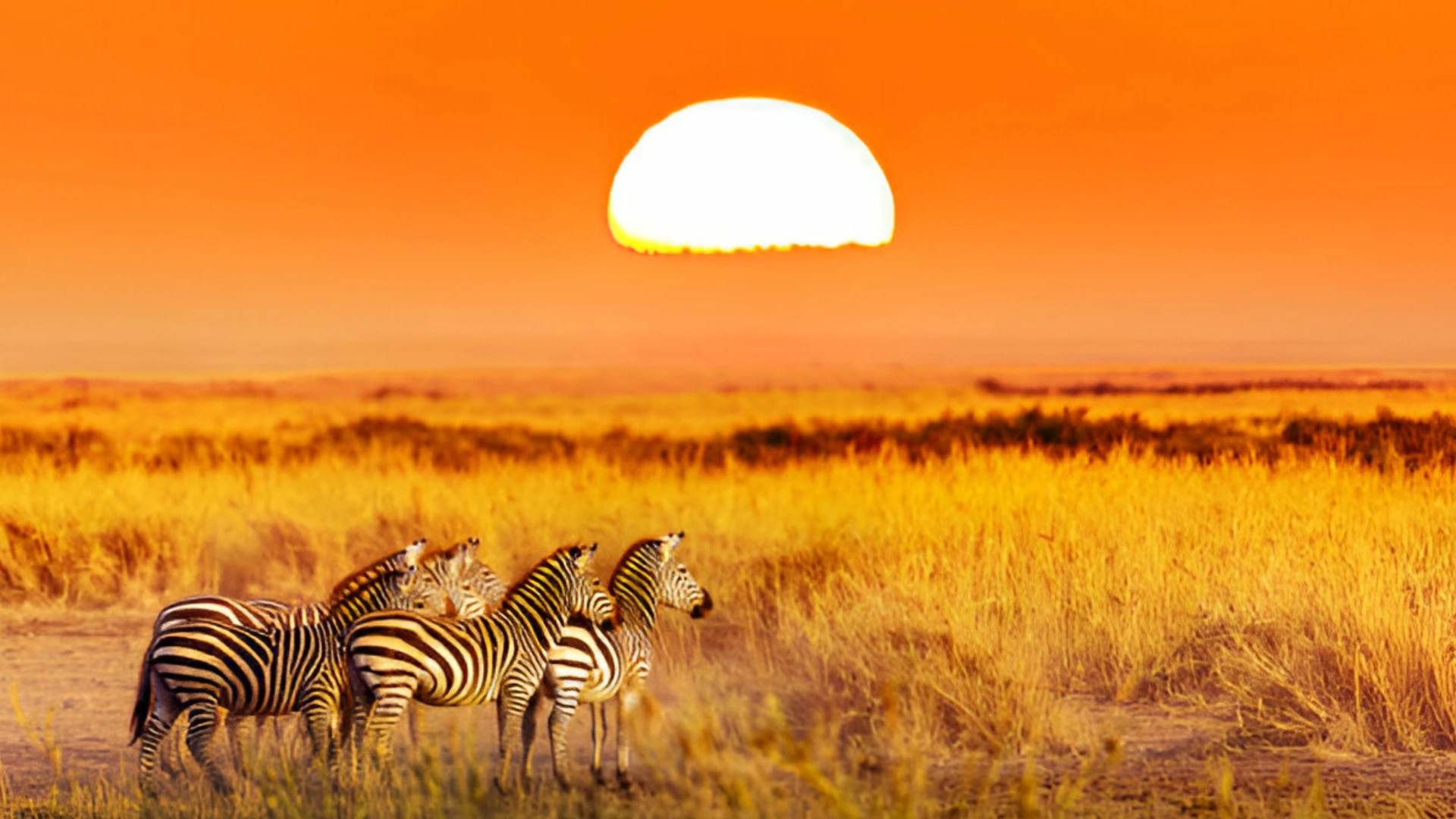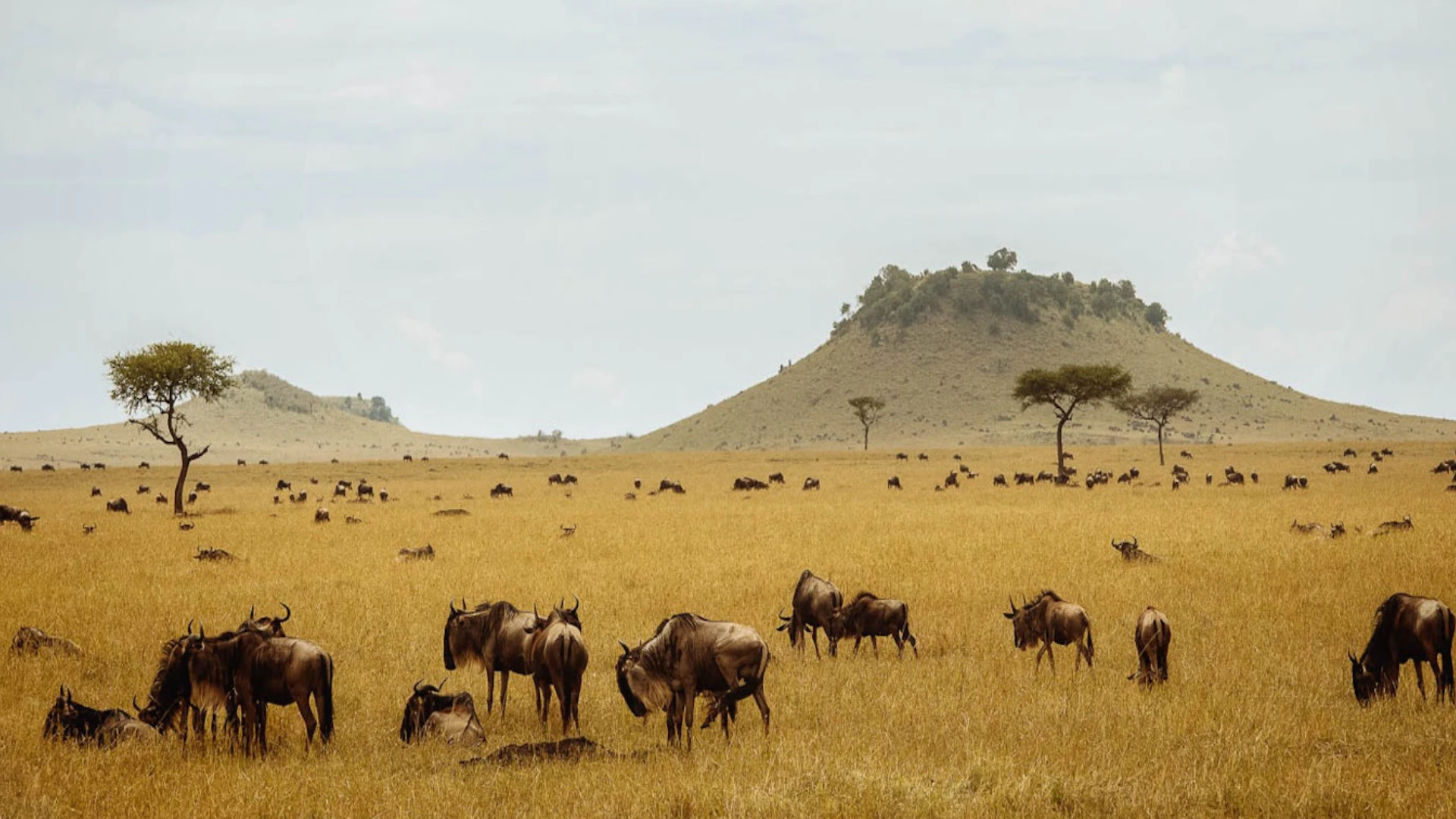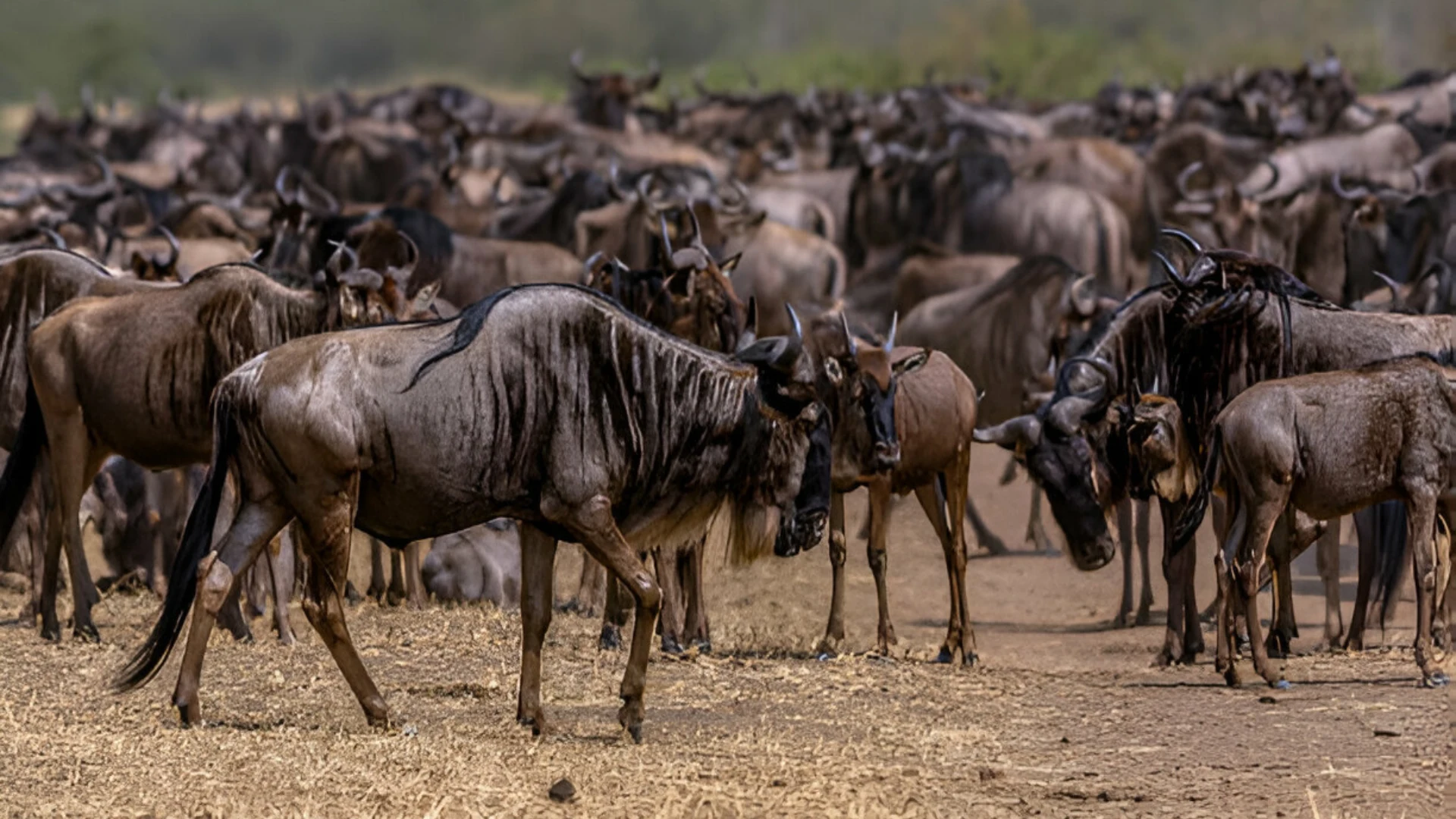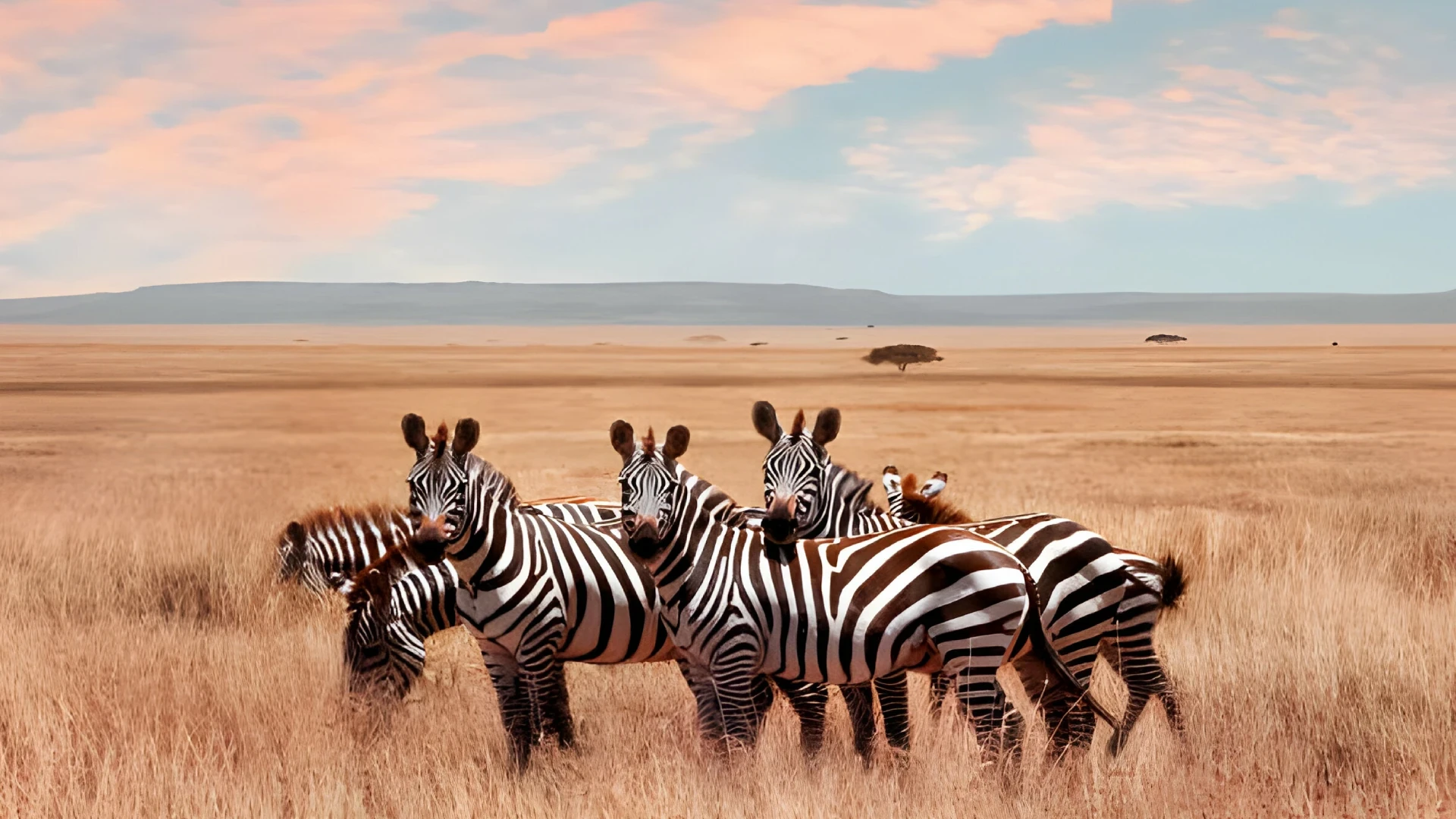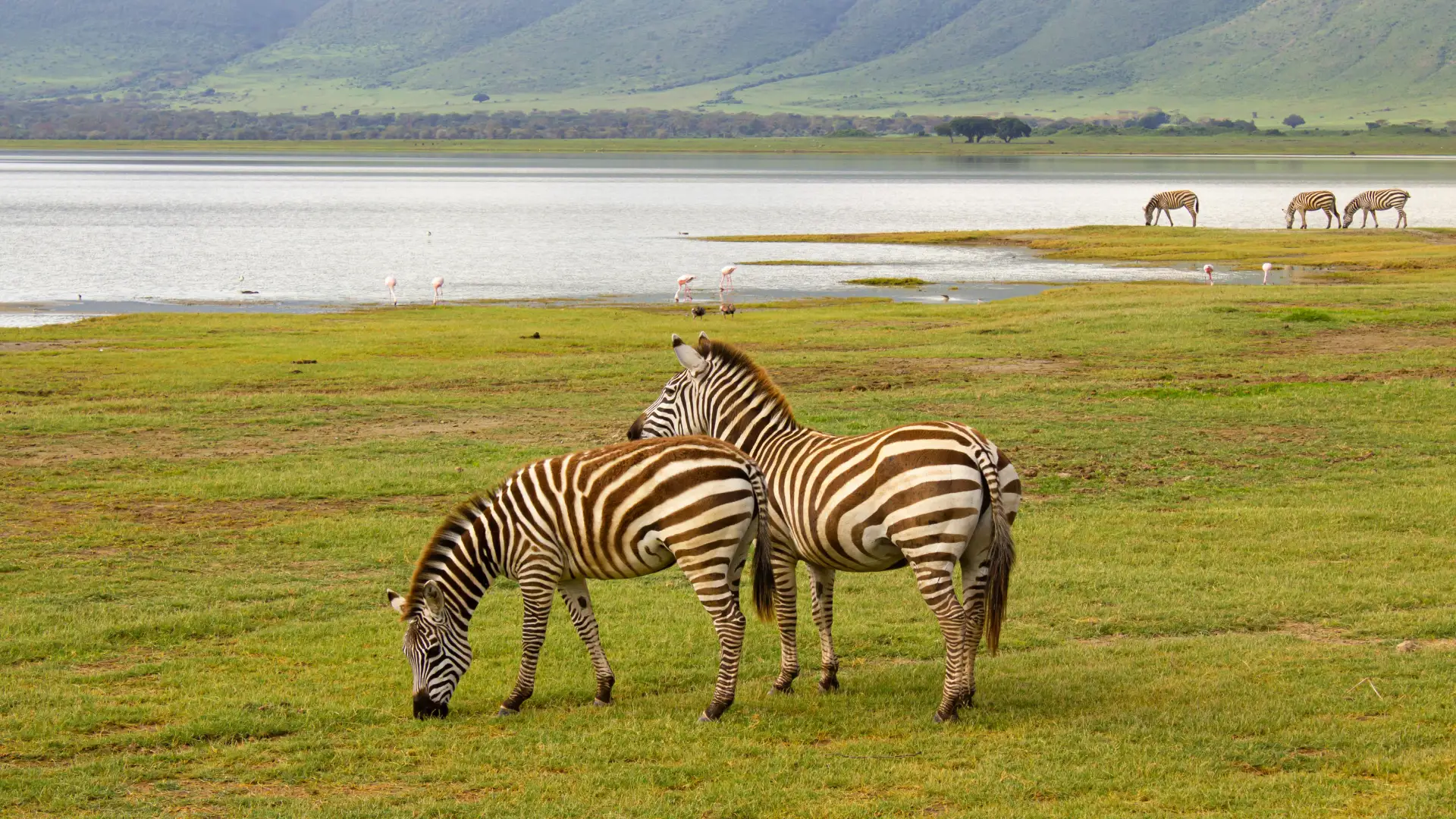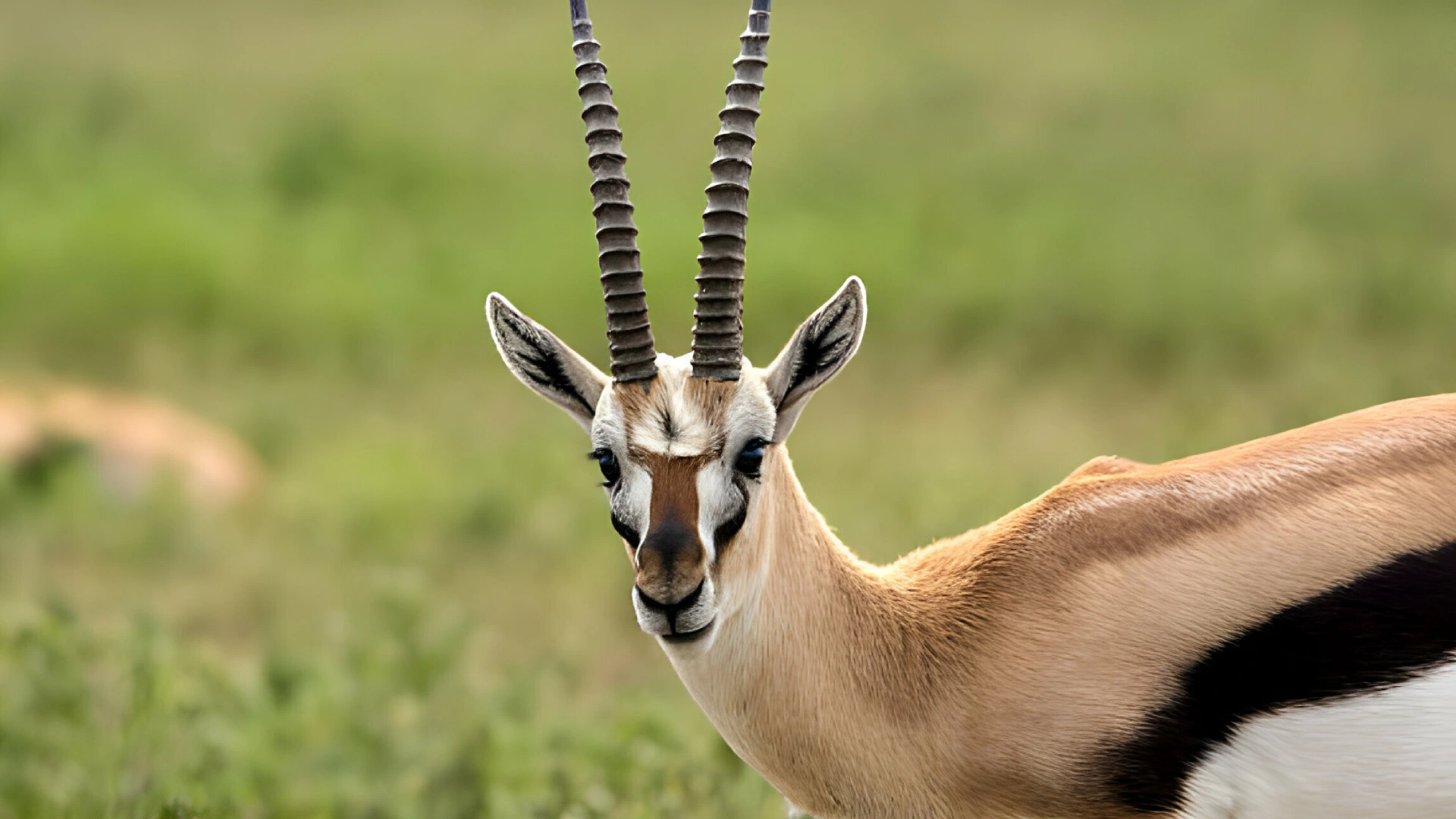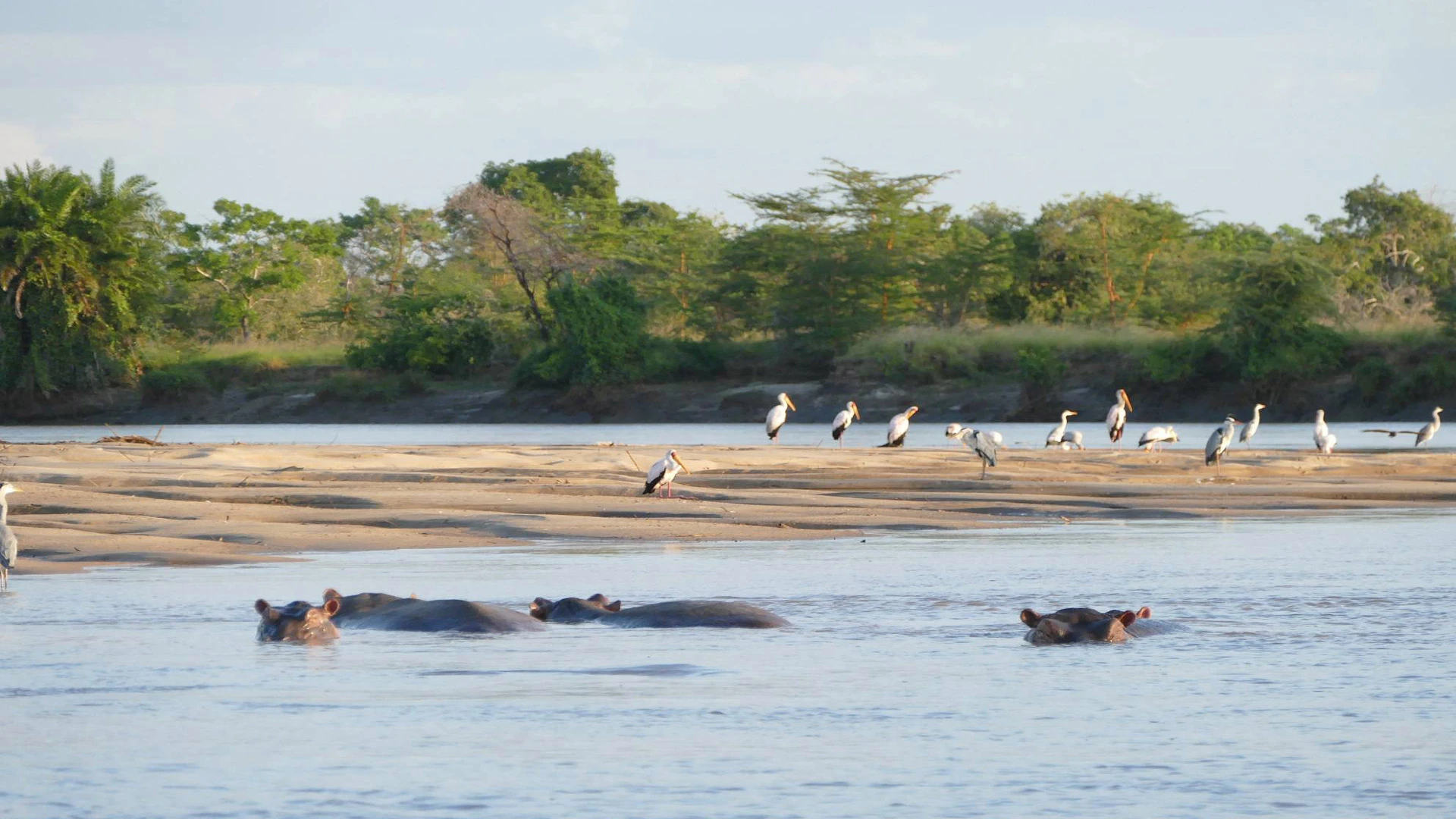

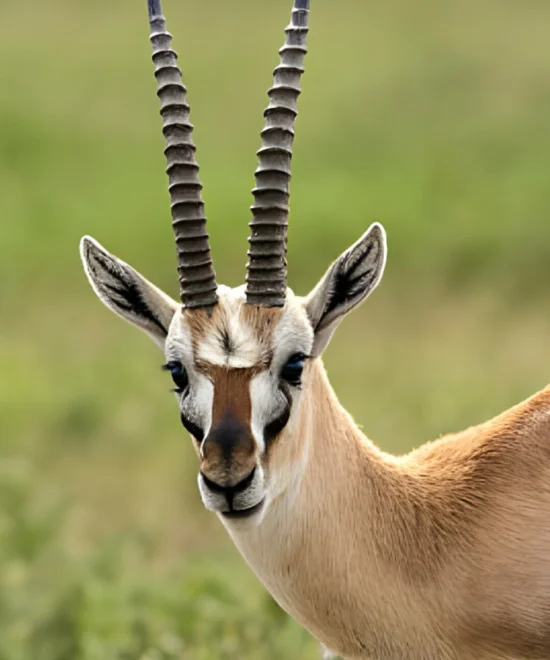
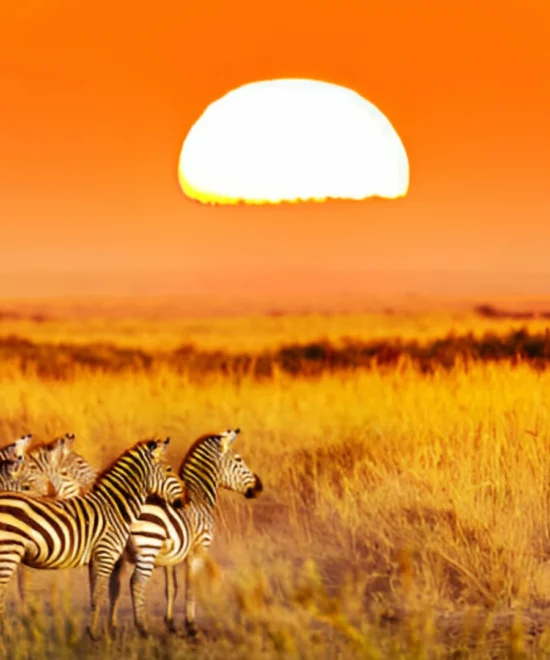
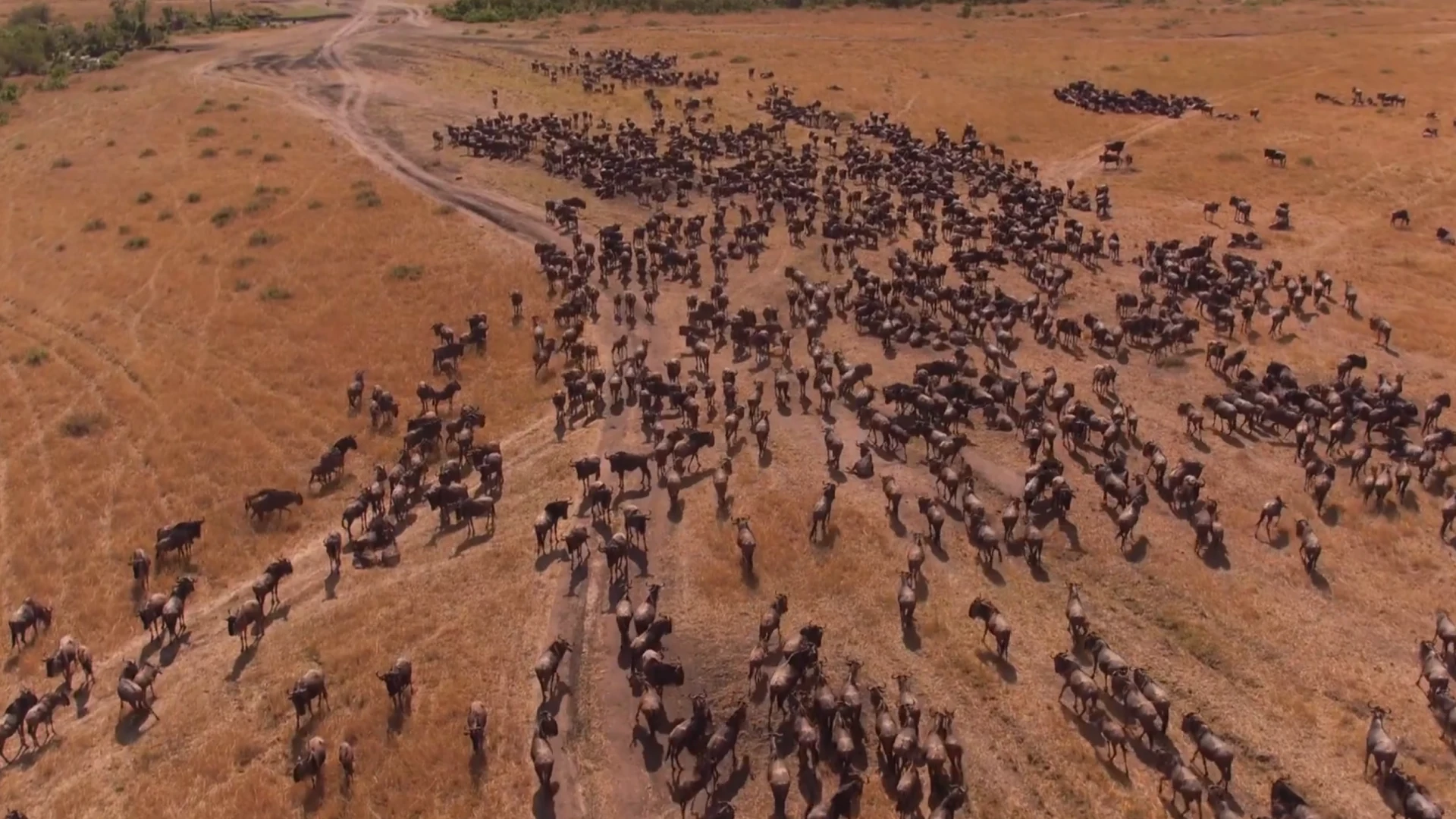
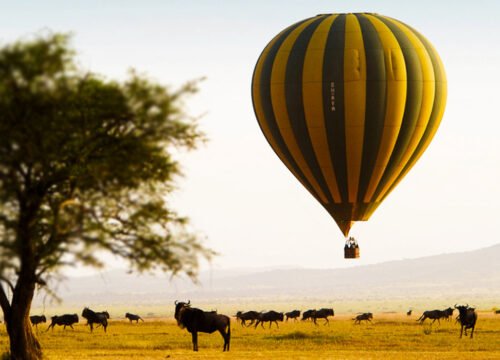
The Great Migration is one of nature’s most spectacular events, where over 1.5 million wildebeest, along with zebras and gazelles, traverse the Serengeti-Mara ecosystem in search of fresh grazing. This endless cycle of life and death offers thrilling wildlife encounters, dramatic river crossings, and unparalleled safari experiences.
Why the Great Migration is a Must-See
✔ Largest Mammal Migration on Earth – A breathtaking natural phenomenon.
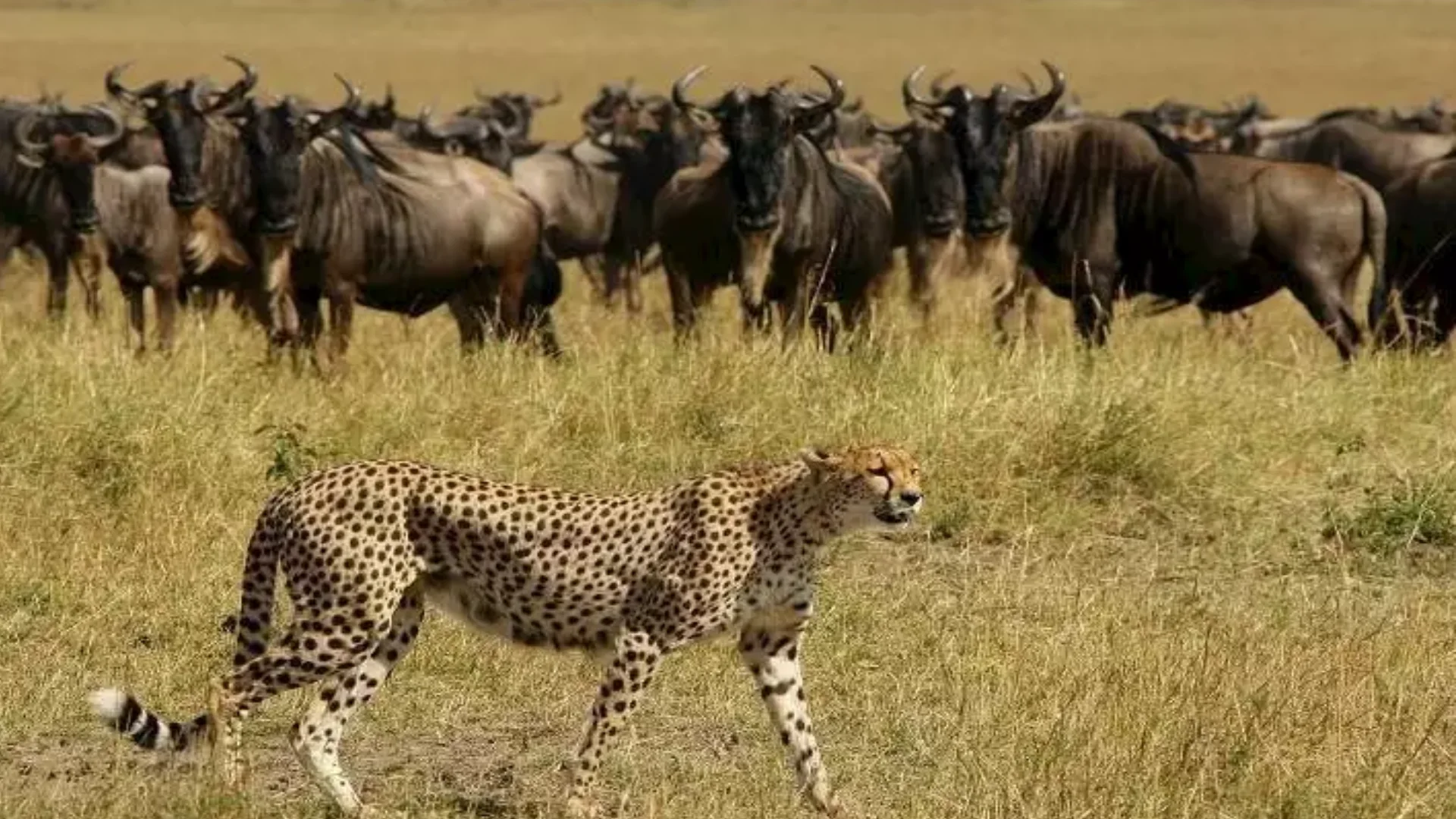
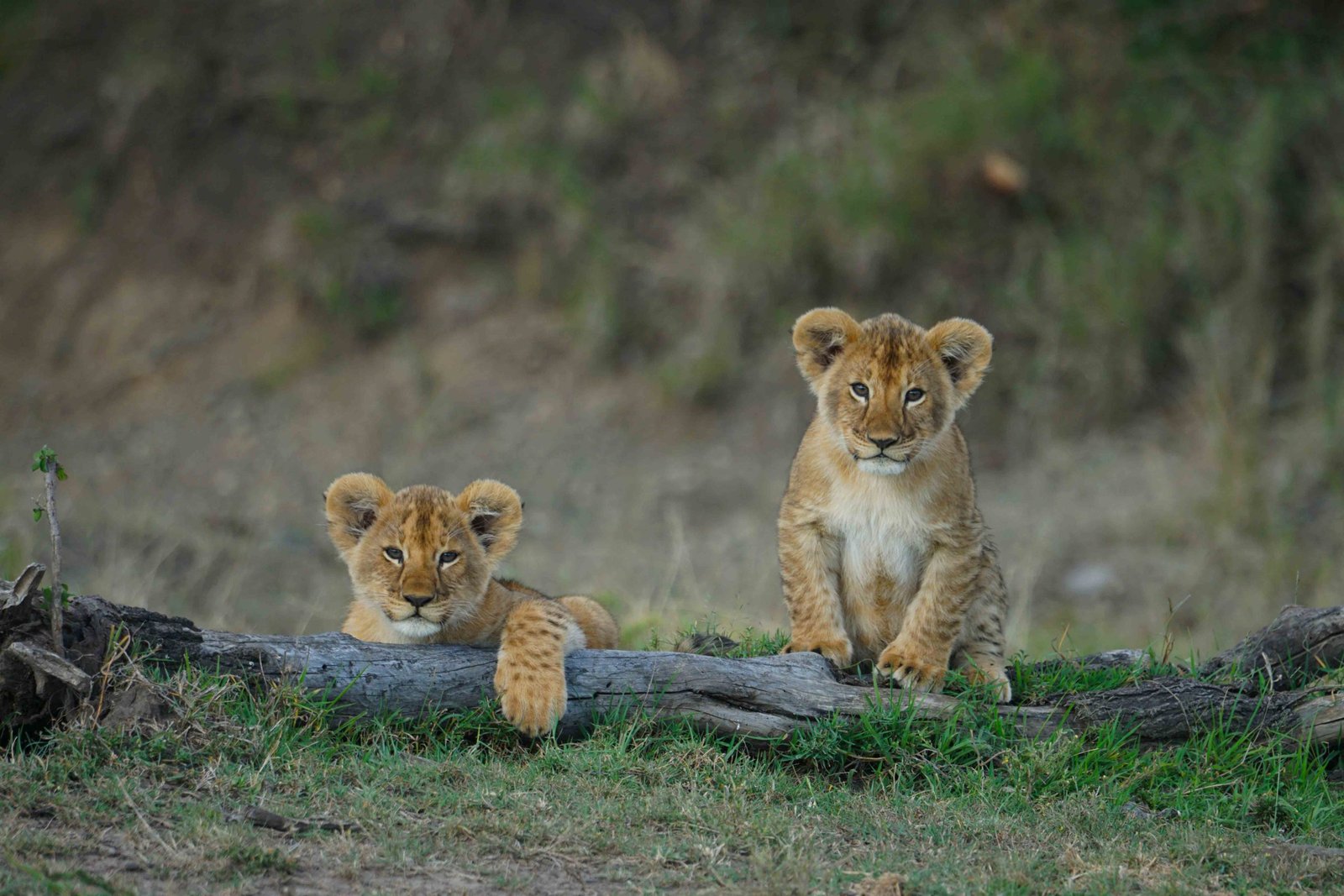
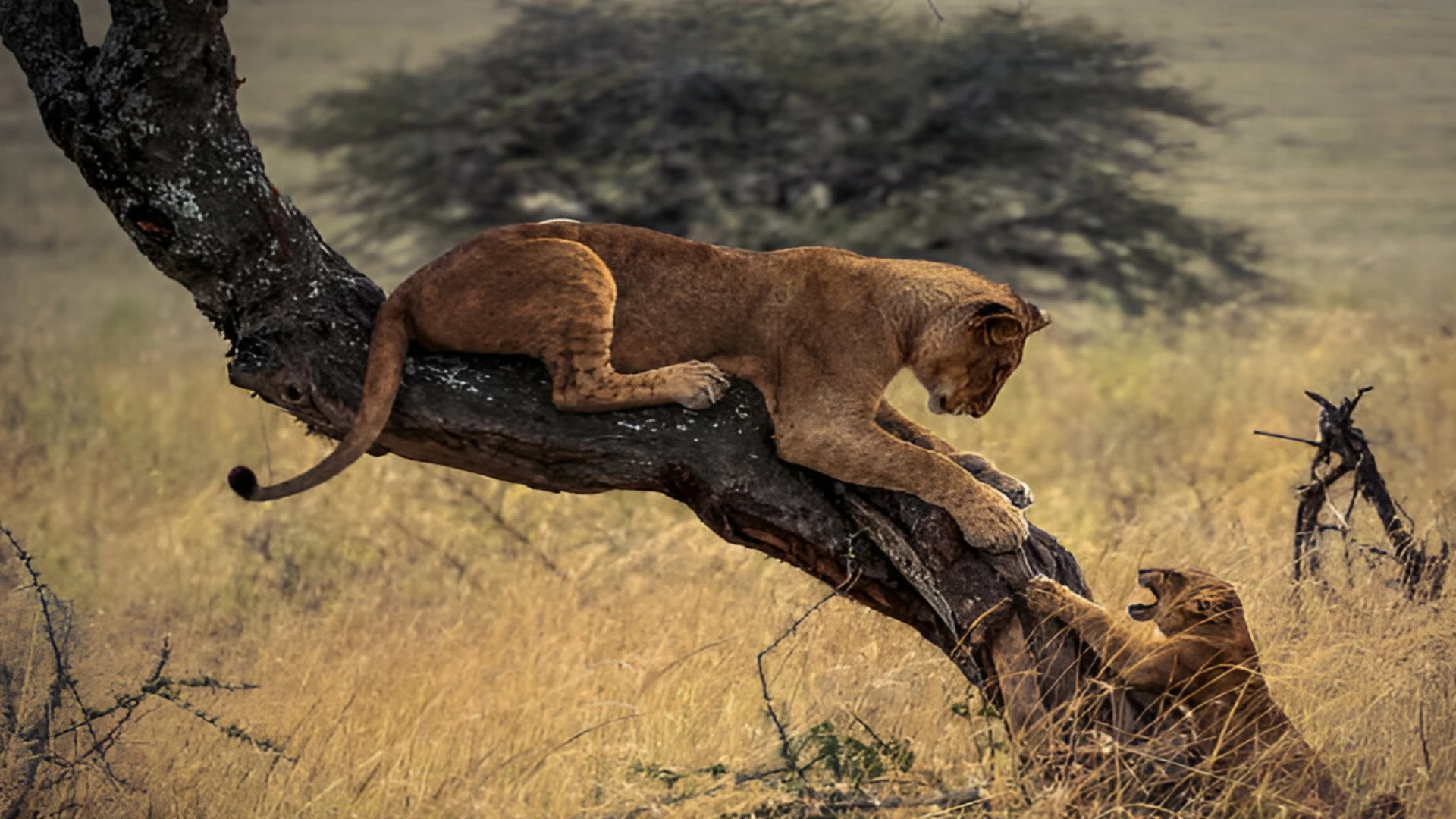
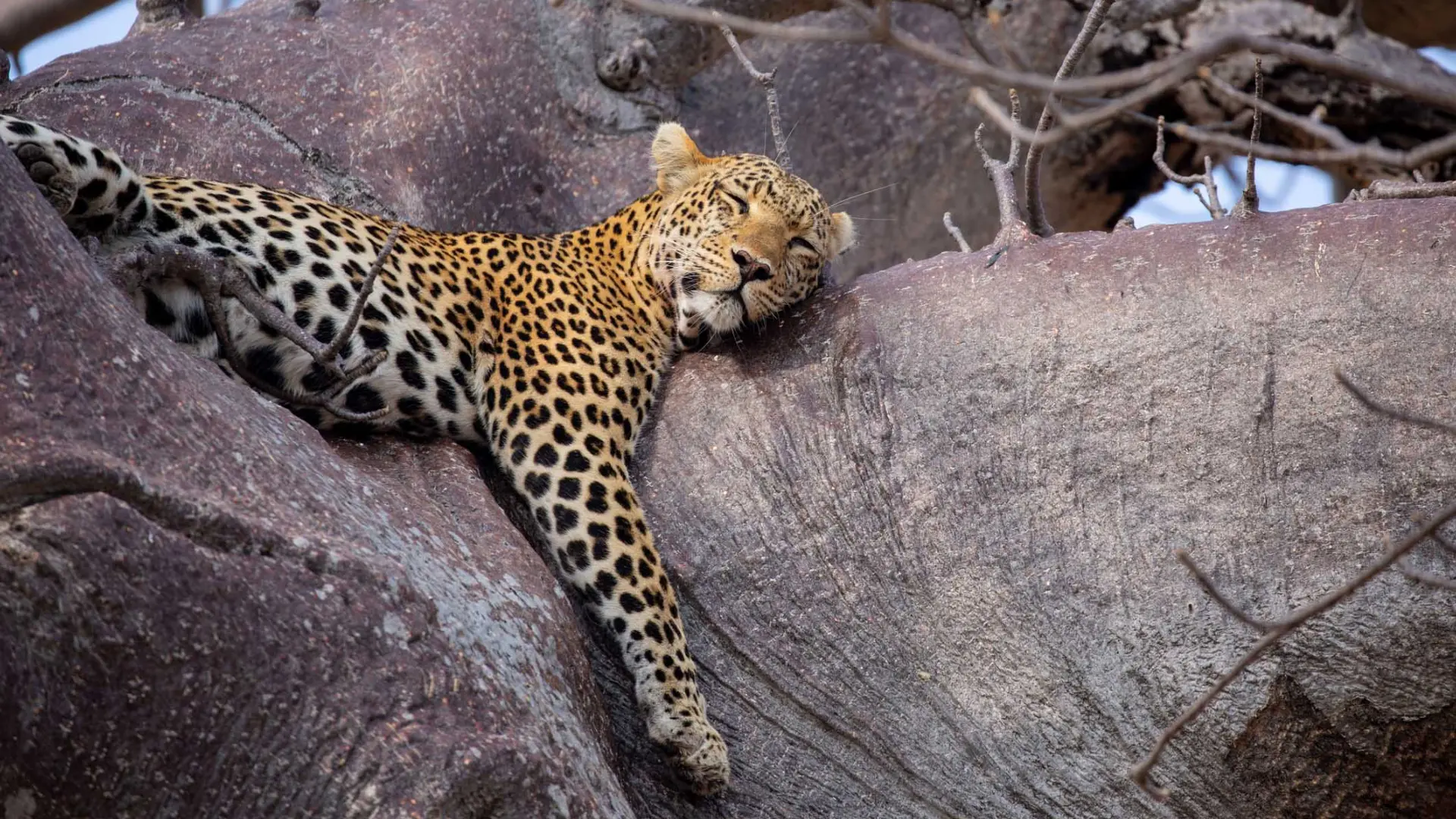
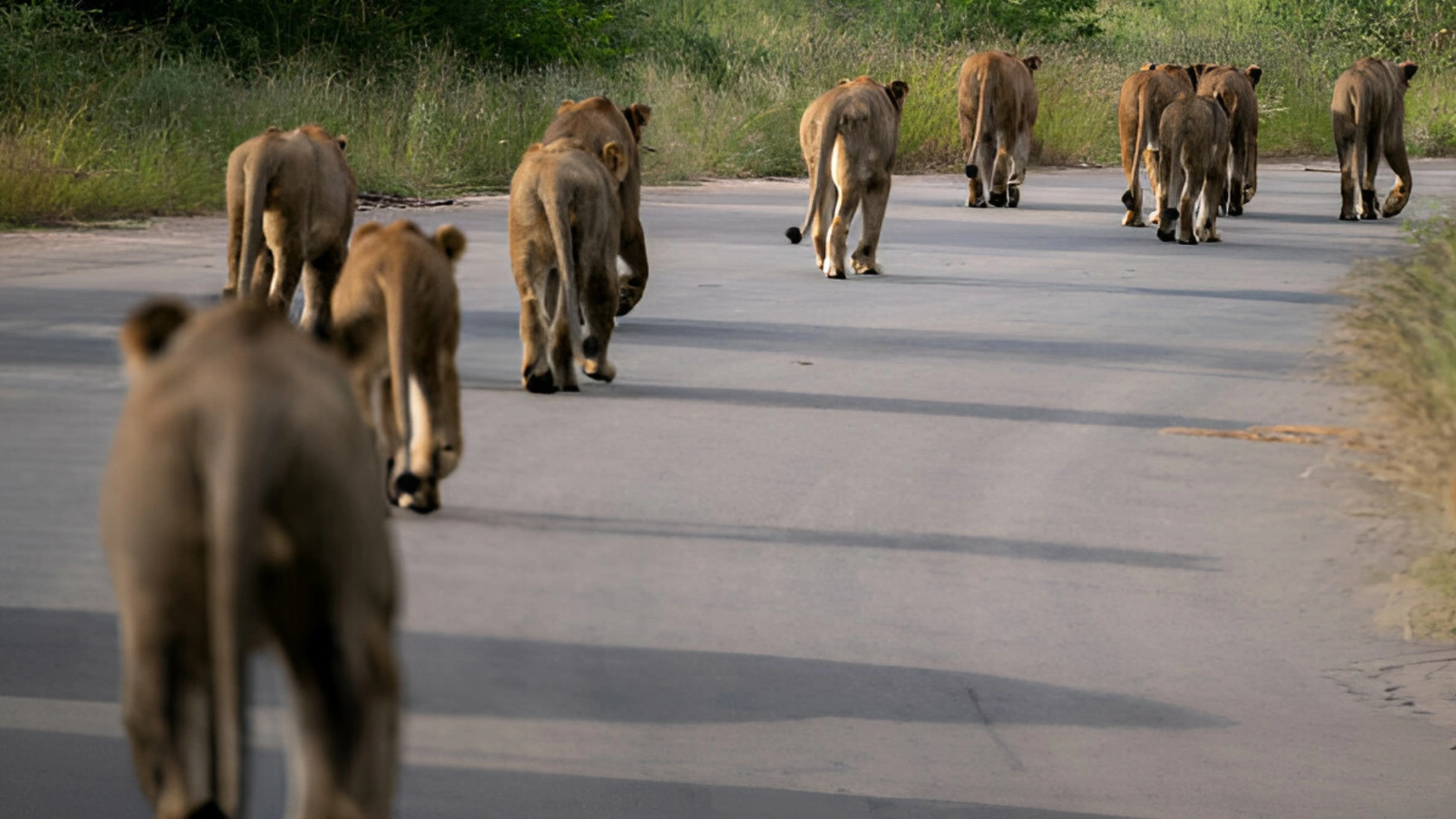
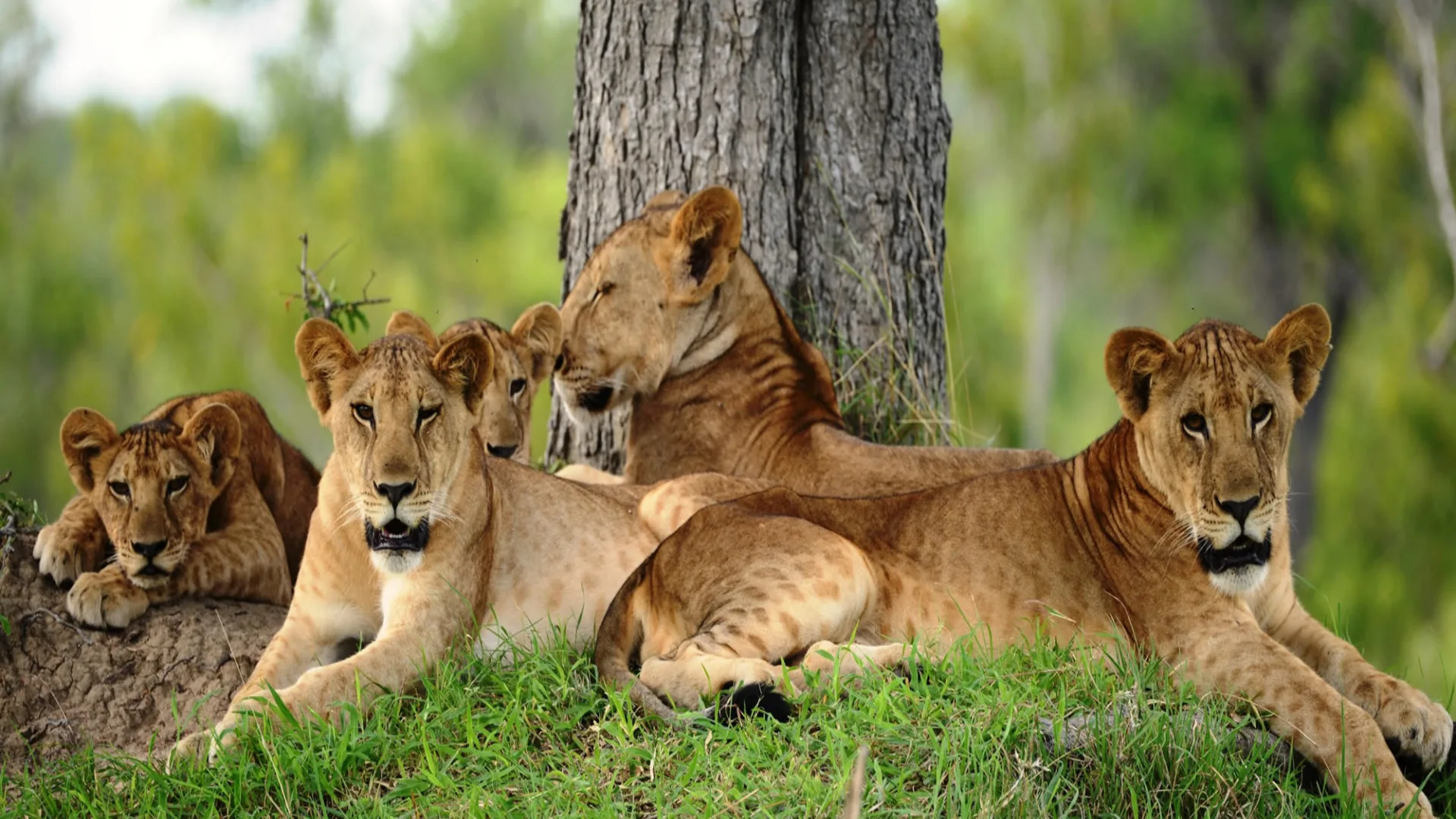
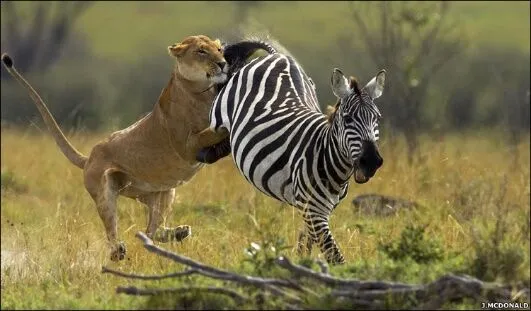
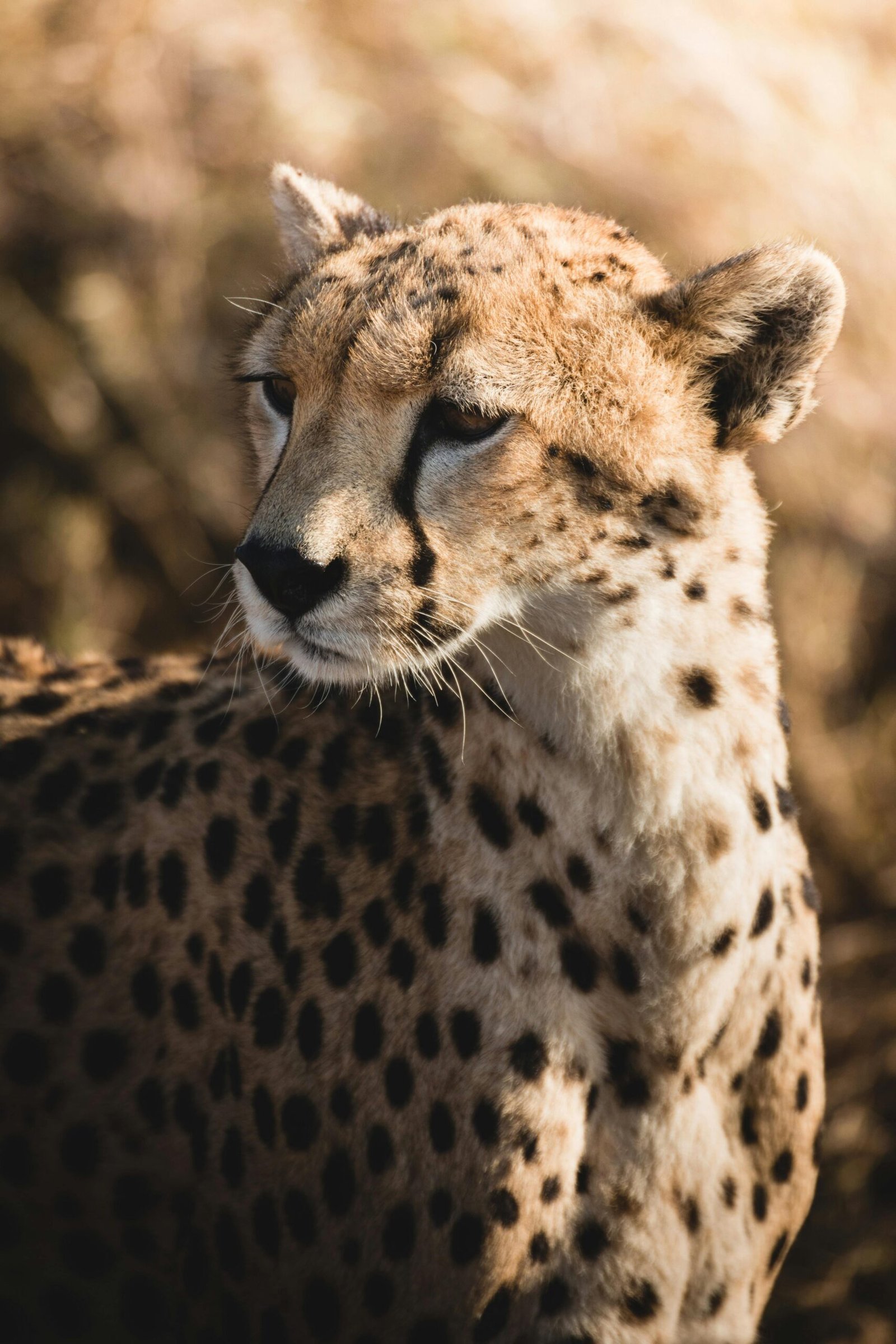
✔ Predator Action – Lions, cheetahs, and crocodiles hunt during crossings.
✔ Dramatic River Crossings – Heart-pounding moments at the Mara and Grumeti Rivers.
✔ Year-Round Movement – Different stages offer unique experiences each month.
Great Migration Calendar: Where & When to Go
| Month | Location in Serengeti | Key Highlights |
|---|---|---|
| Dec–March | Southern Serengeti (Ndutu) | Calving Season – 8,000+ wildebeest born daily; predator-rich area. |
| April–May | Central Serengeti (Seronera) | Green Season – Lush landscapes, fewer crowds. |
| June–July | Western Corridor (Grumeti River) | First River Crossings – Crocodile attacks, massive herds. |
| Aug–Oct | Northern Serengeti (Mara River) | Peak River Crossings – Most dramatic wildlife scenes. |
| Nov | Transition back to South | Herds move toward Ndutu for calving again. |
Best Time to See the Great Migration
The best time to see the Great Migration depends on your preferred experience. For calving and predator action, visit between January and March. Meanwhile, to witness the famous river crossings, plan your safari from July to October.
Each season offers unique wildlife opportunities. During April to June, herds move through the western corridor. Furthermore, this period provides excellent game viewing with fewer crowds. Subsequently, the northern regions become active from July through September.
July–October (Mara River crossings – most iconic).
January–March (Calving season – great for predators).
Types of Great Migration Safaris
1. Classic Lodge-Based Safaris
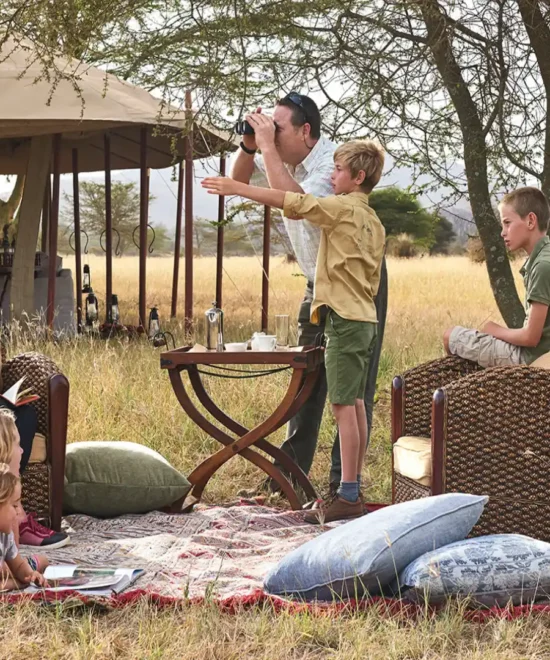
Stay in luxury lodges/tented camps near migration hotspots.
Daily game drives with expert guides.
Best for: Comfort, families, first-time safari-goers.
2. Mobile Tented Camp Safaris
Semi-permanent camps that move with the herds.
Best for: Adventurers wanting to follow the migration closely.
3. Fly-In Safaris
Save time with flights between Serengeti zones.
Best for: Short on time, luxury travelers.
4. Photography Safaris
Specialized guides & vehicles for optimal shots.
Best for: Photographers seeking perfect angles.
Serengeti Wildebeest Migration: Calving Season
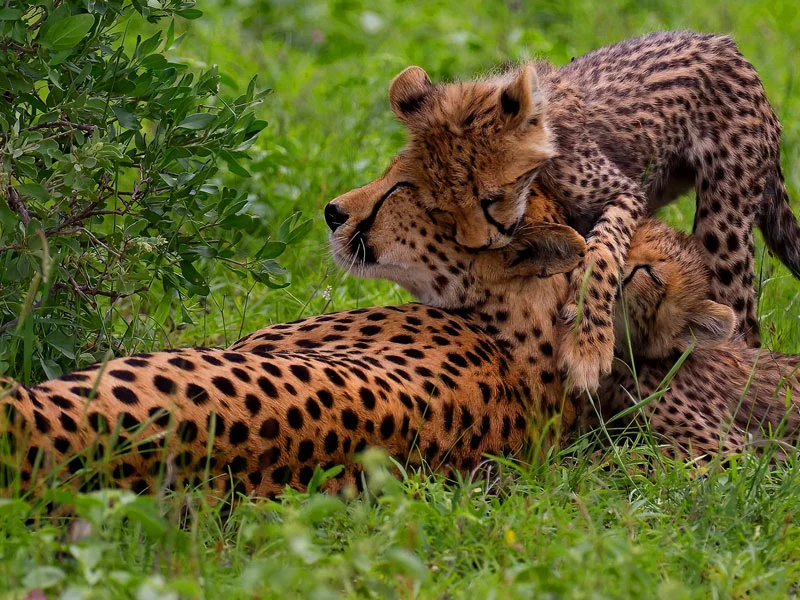
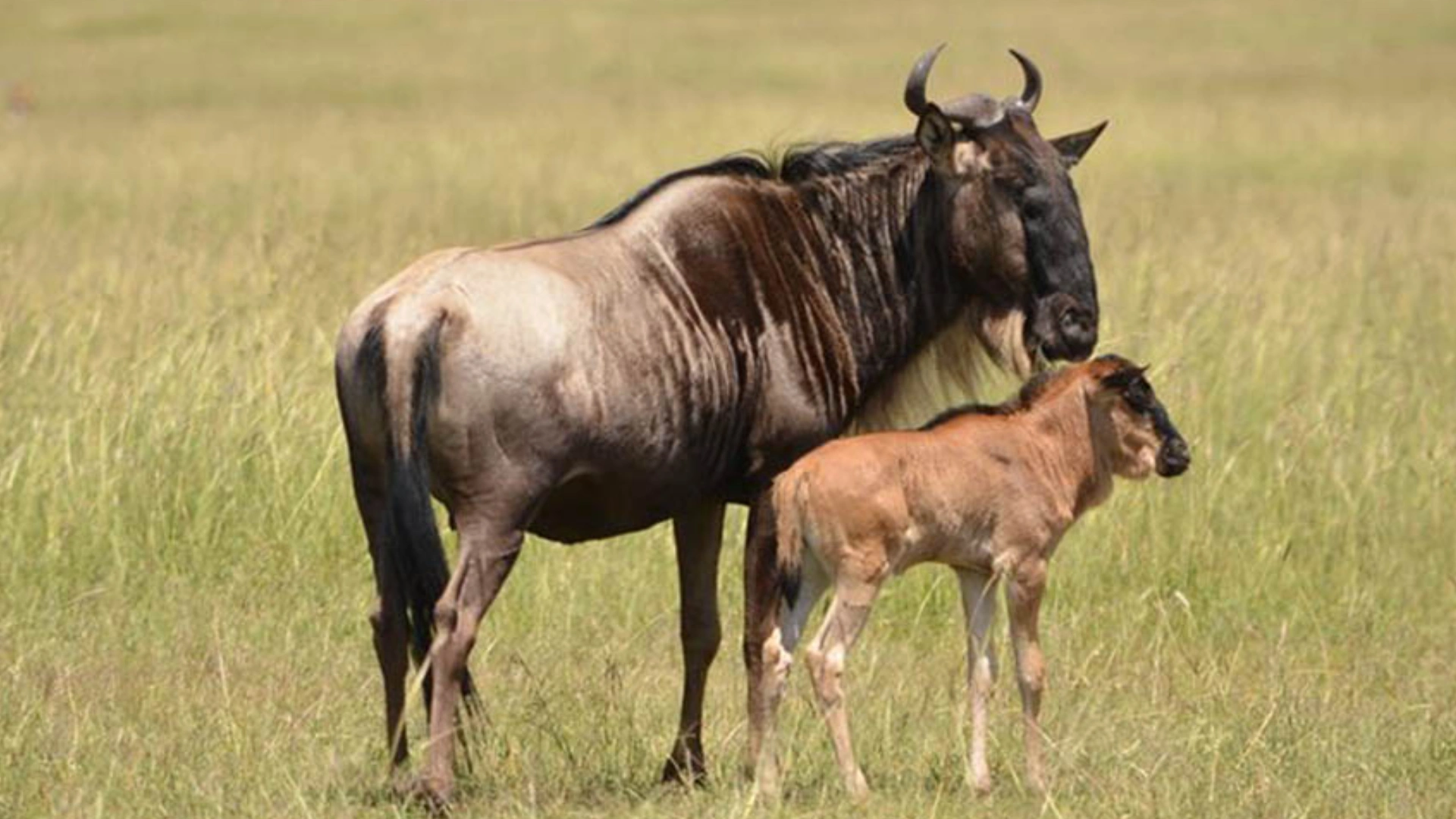
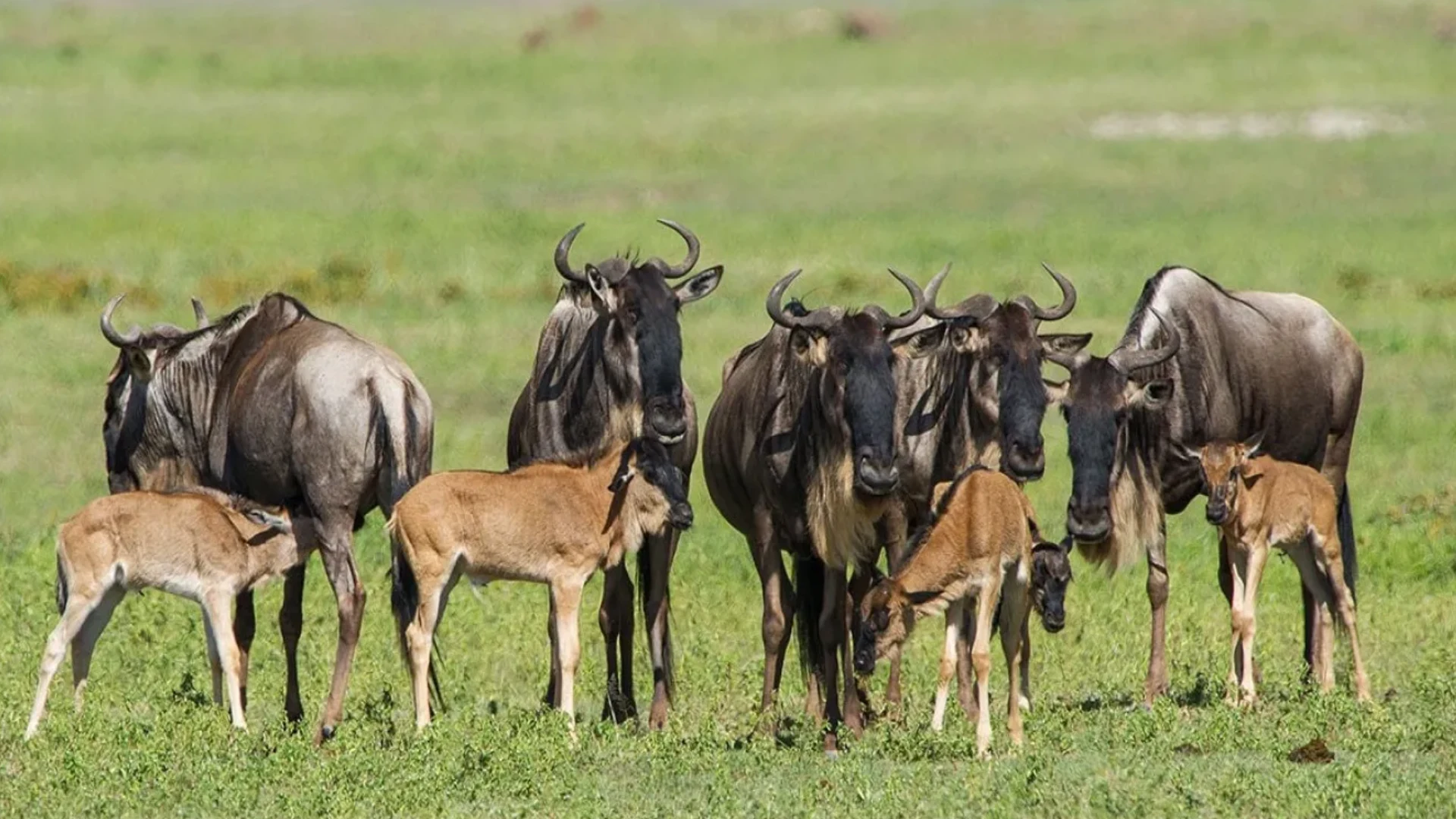
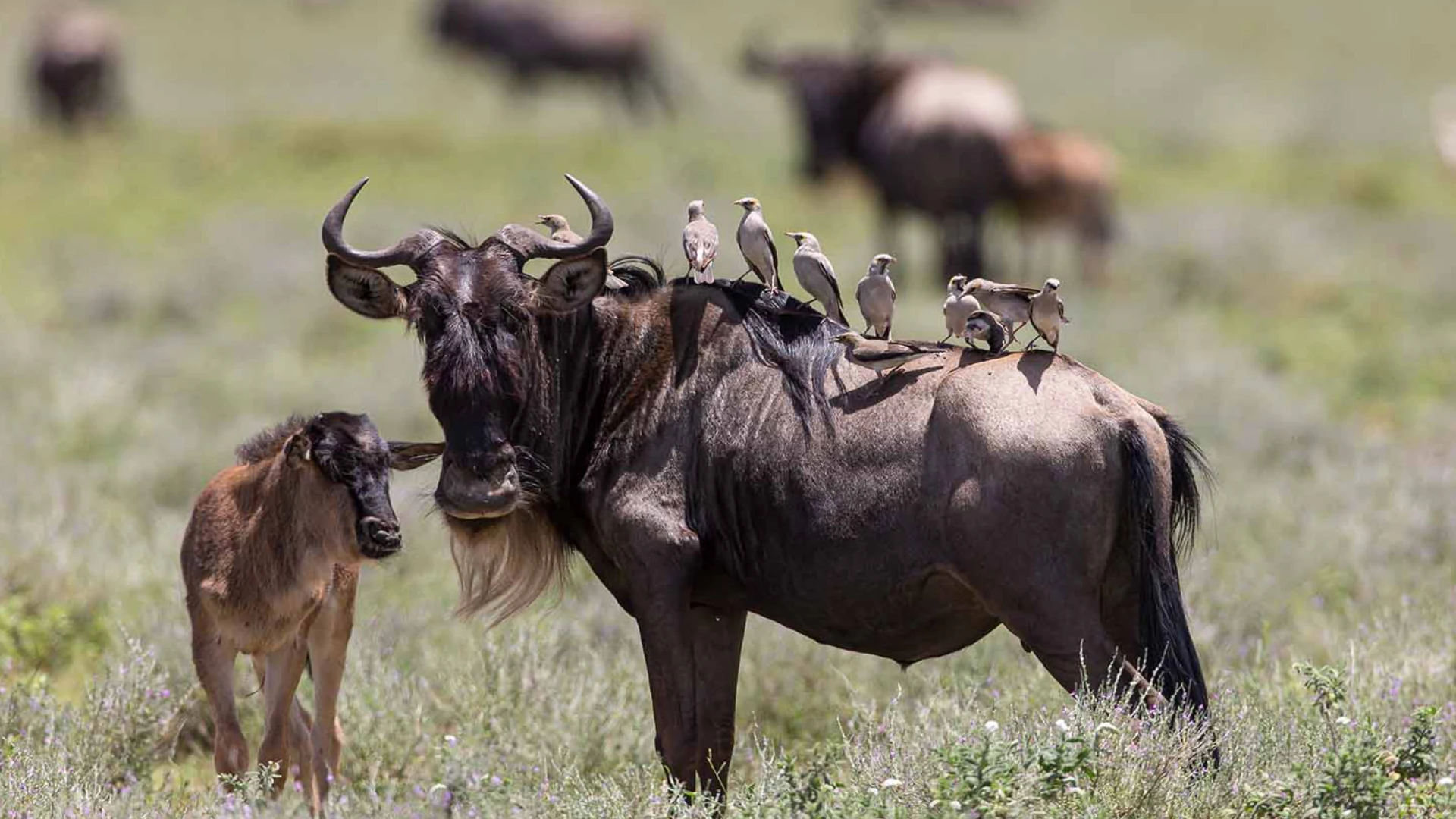
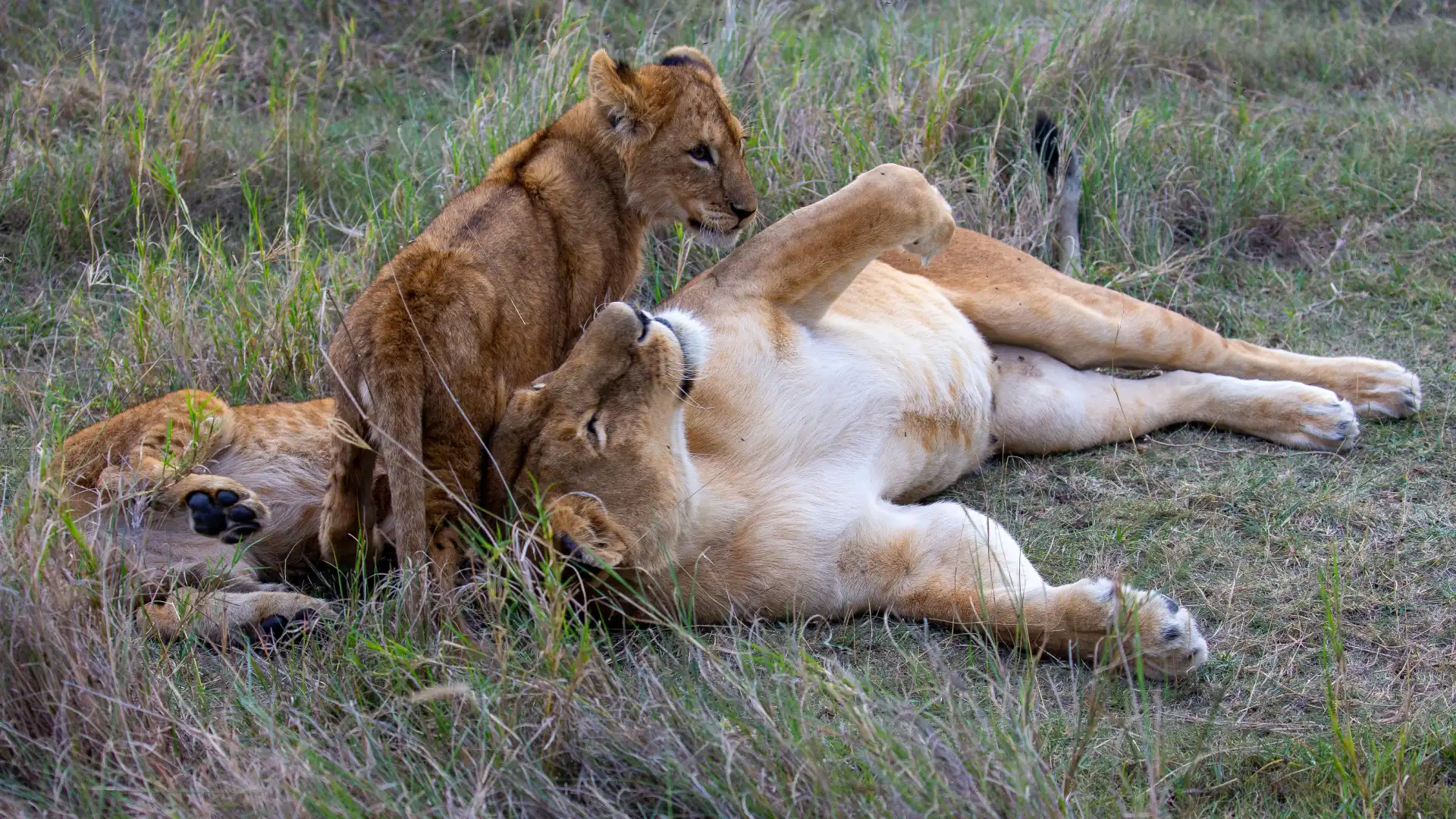
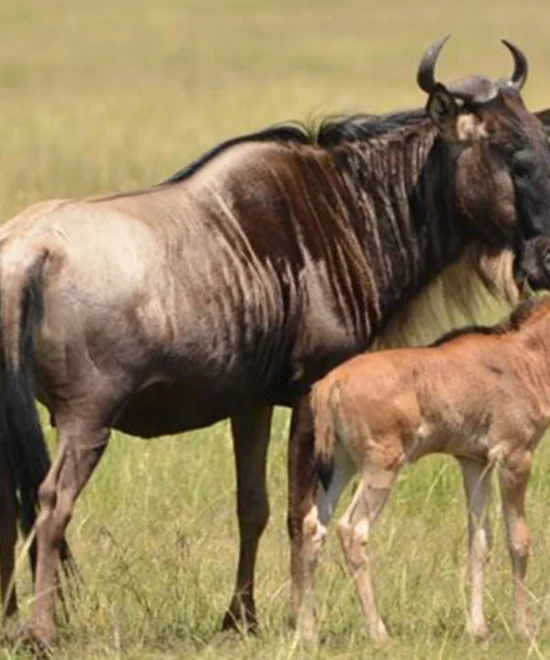
From January to March, the Serengeti wildebeest migration begins in the southern plains during calving season. During this period, thousands of newborn calves arrive within a few short weeks. Consequently, predators like lions, hyenas, and cheetahs are never far behind. As a result, this period becomes especially dynamic for wildlife viewing.
The southern Serengeti transforms into a nursery for new life. Meanwhile, the vast open plains provide ideal grazing conditions. Therefore, herds concentrate in this region for several months. Subsequently, visitors witness incredible predator-prey interactions throughout this season.
Wildebeest Migration Tanzania: The River Crossings
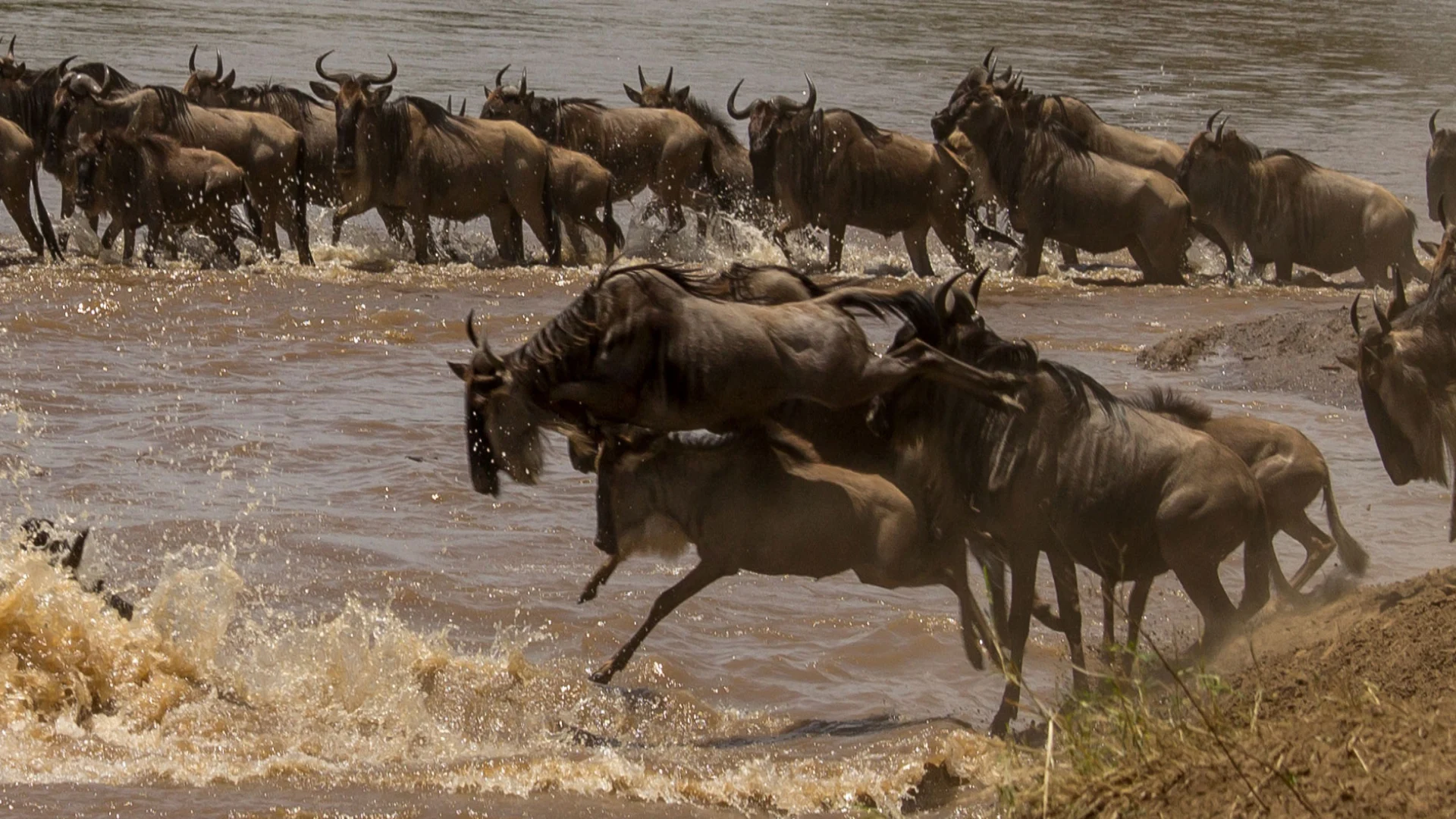
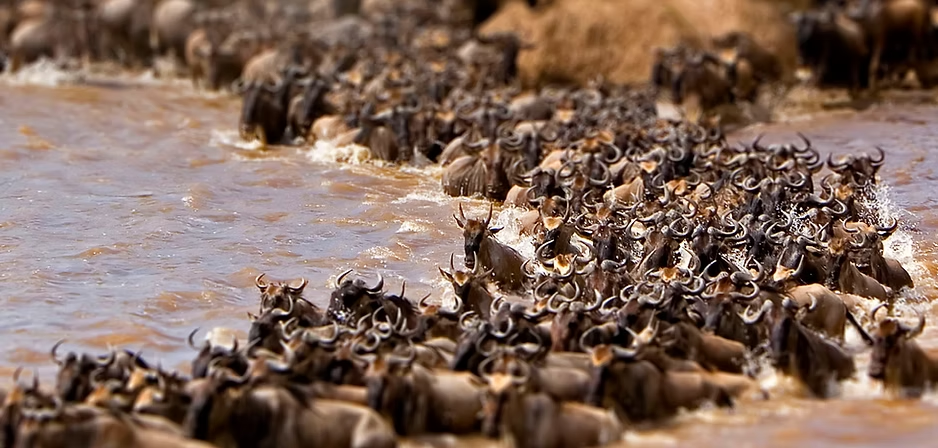
As the dry season sets in, the herds move northward through the ecosystem. By June and July, they face some of the migration’s most dangerous moments. Specifically, they must cross the treacherous Grumeti and Mara Rivers. These river crossings are intense and dramatic.
Animals must battle strong currents during these crossings. Similarly, they must evade crocodiles lurking beneath the surface. However, this drama is exactly what makes the wildebeest migration Tanzania so captivating. Therefore, these moments create unforgettable wildlife experiences.
Top Places to Witness the Migration
1. Ndutu (Dec–March)
Why go? Witness thousands of wildebeest births and cheetah hunts.
2. Seronera (Year-Round)
Why go? Central location with big cats following the herds.
3. Grumeti River (June–July)
Why go? First river crossings, fewer tourists than Mara River.
4. Mara River (Aug–Oct)
Why go? Most dramatic crossings with crocodile ambushes.
How to Plan Your Migration Safari
1. Choose Your Season Wisely
Want river crossings? → July–October
Prefer predator action & baby animals? → January–March
2. Book Early!
Top camps/lodges sell out 6–12 months in advance for peak season.
3. Combine with Other Parks
Ngorongoro Crater (year-round wildlife).
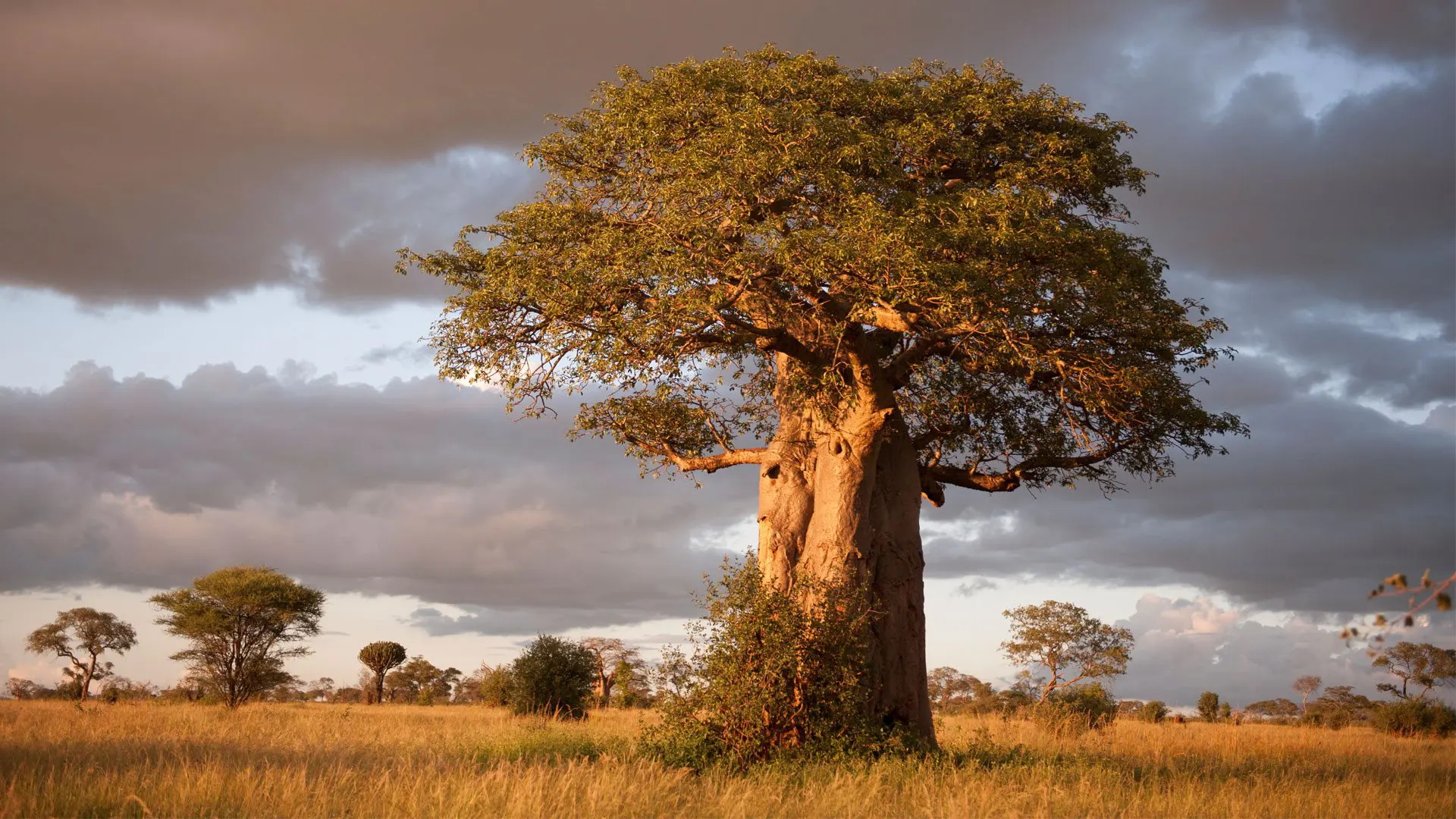
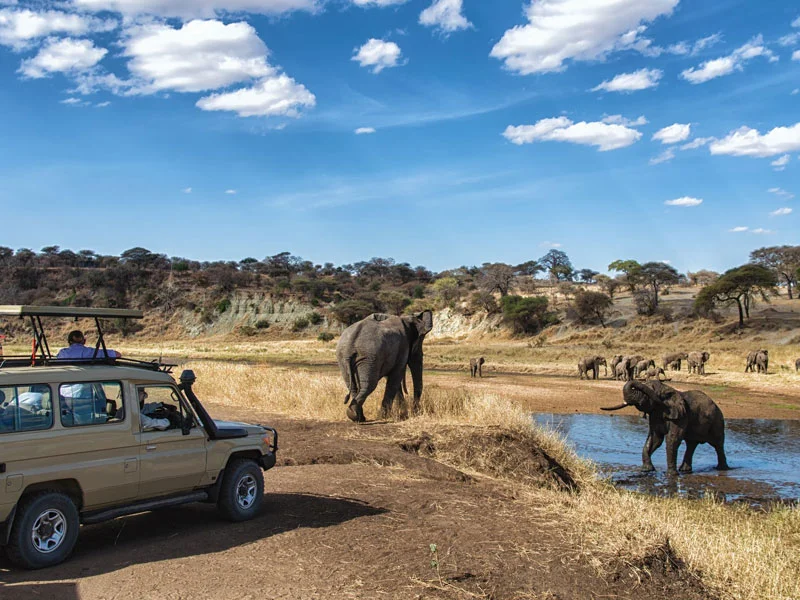
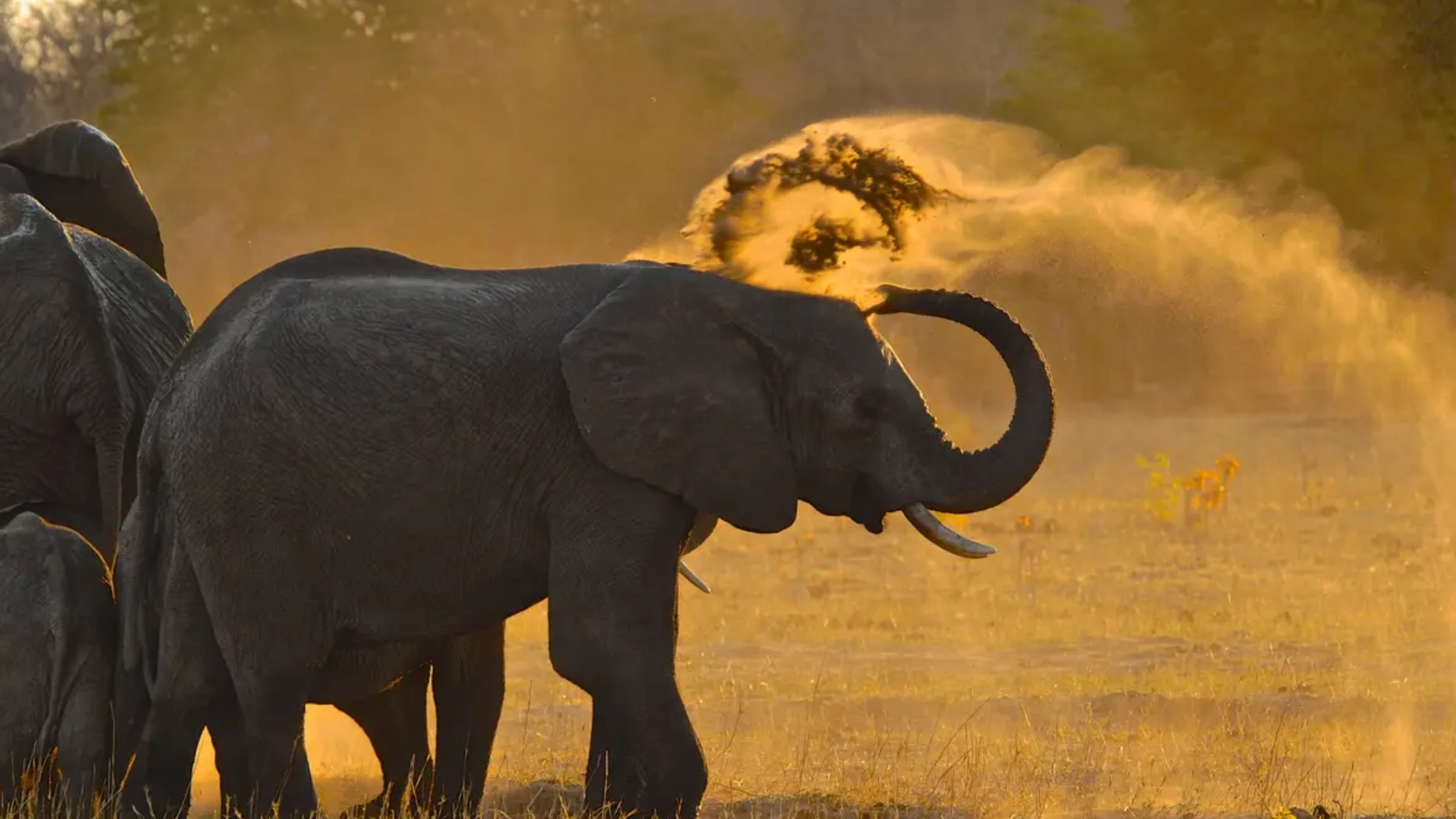
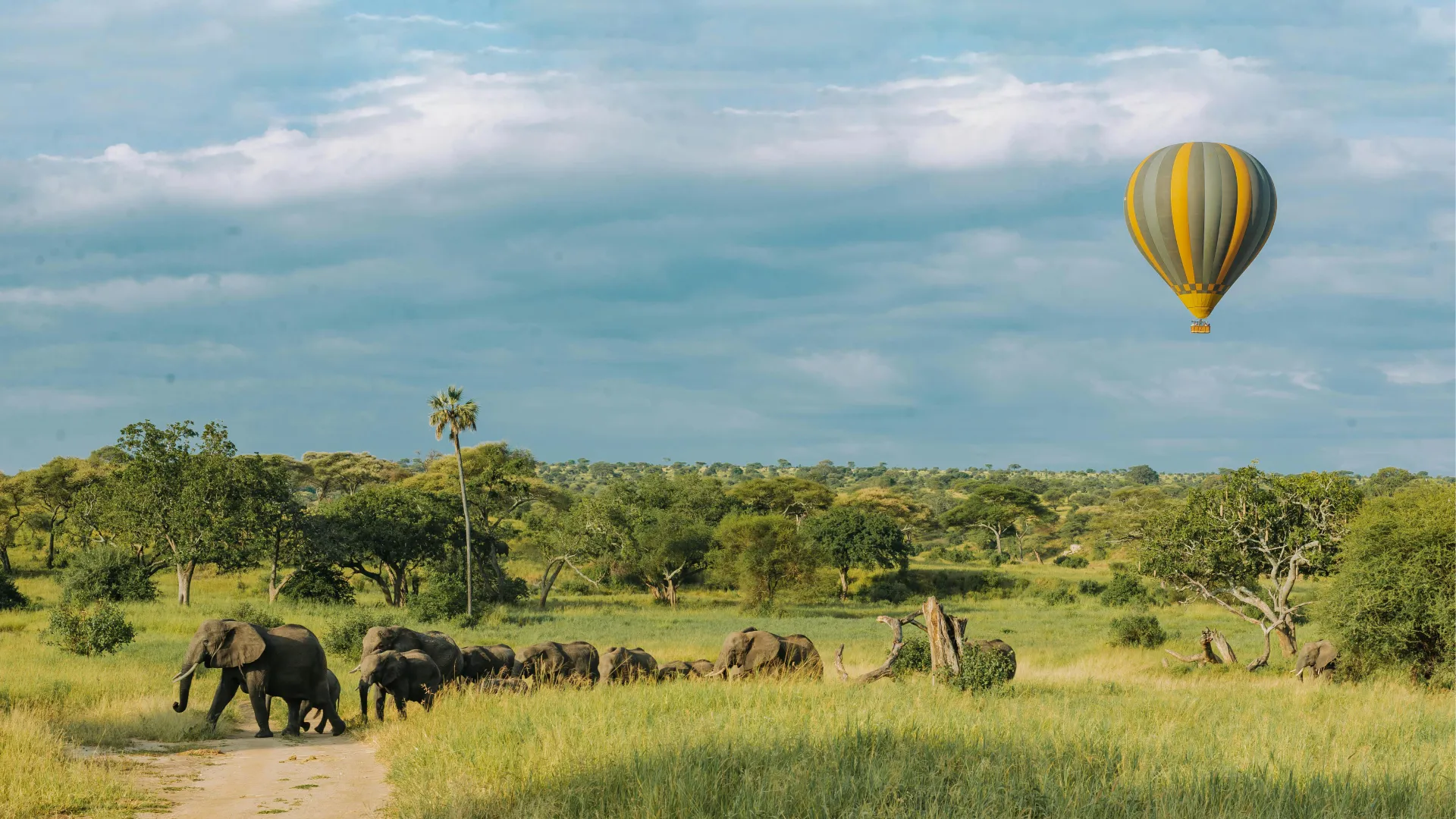
Tarangire (elephant herds, baobabs).
4. Pack Smart
Binoculars, zoom lens (70–300mm+), neutral-colored clothing.
Beyond the Herds: Serengeti’s Rich Biodiversity
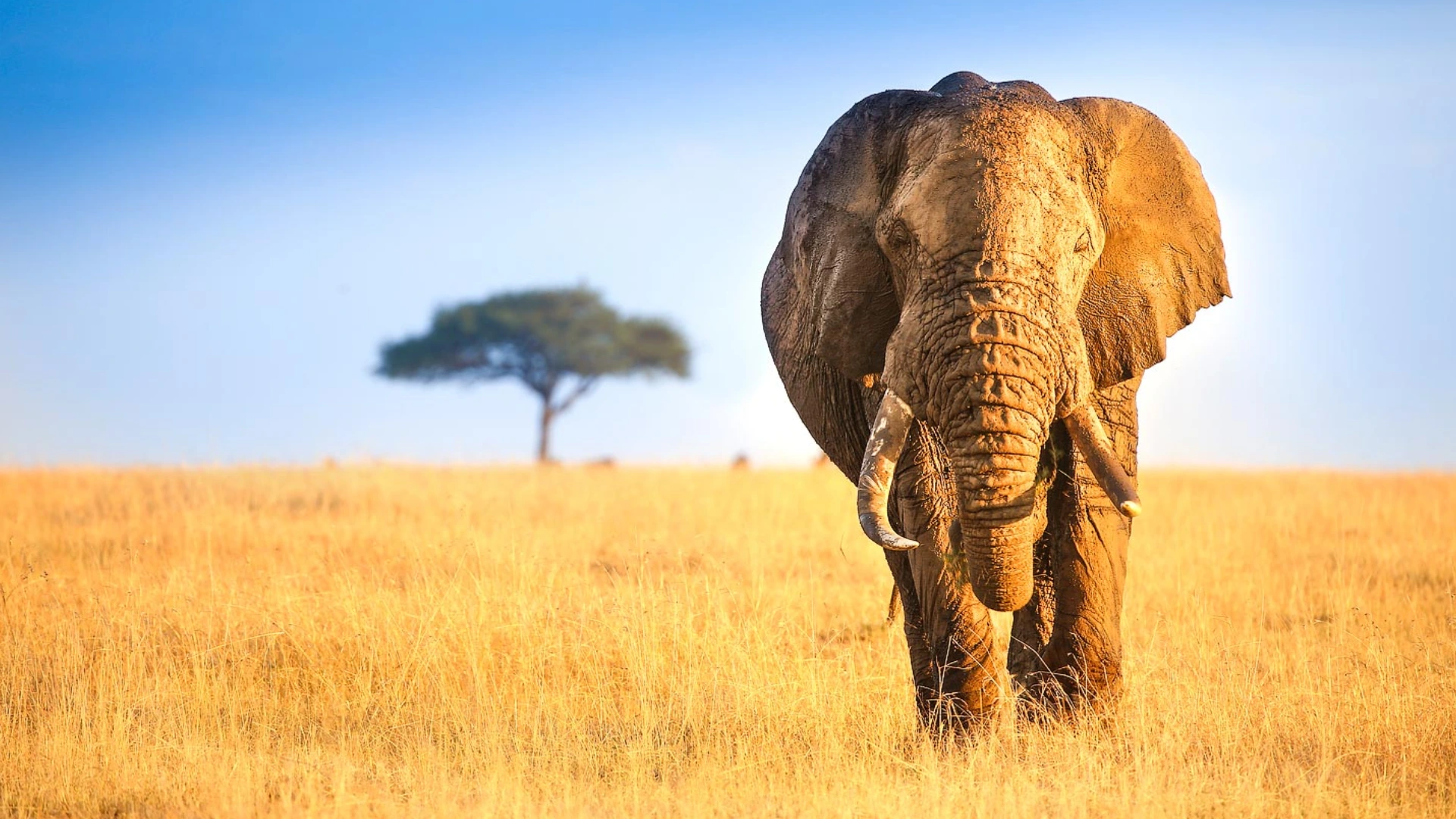
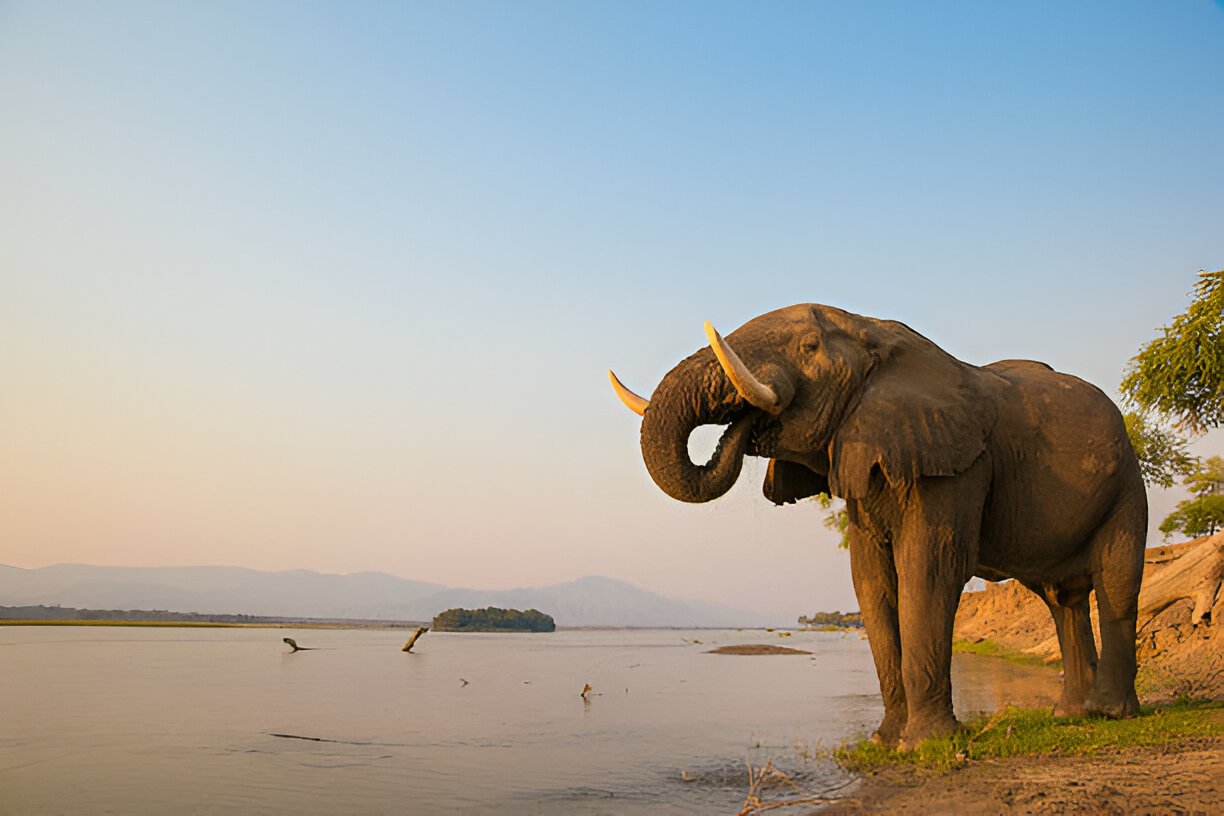
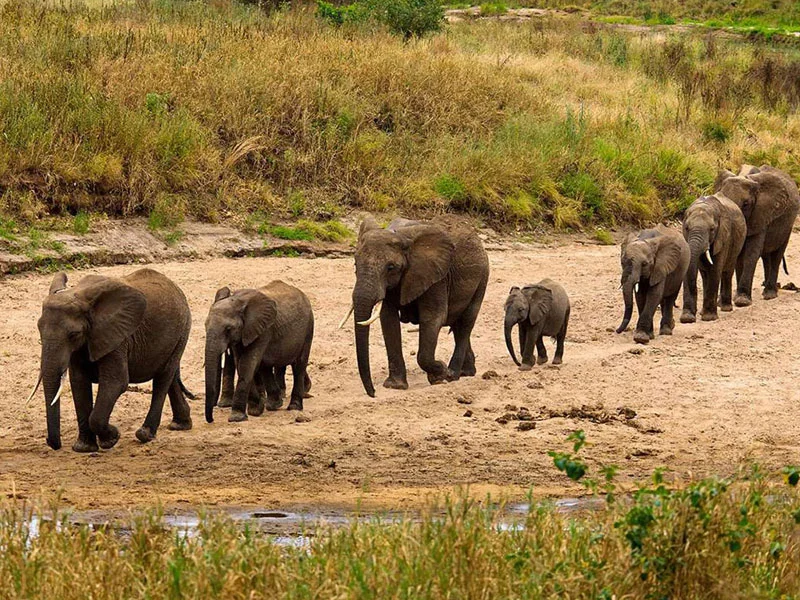
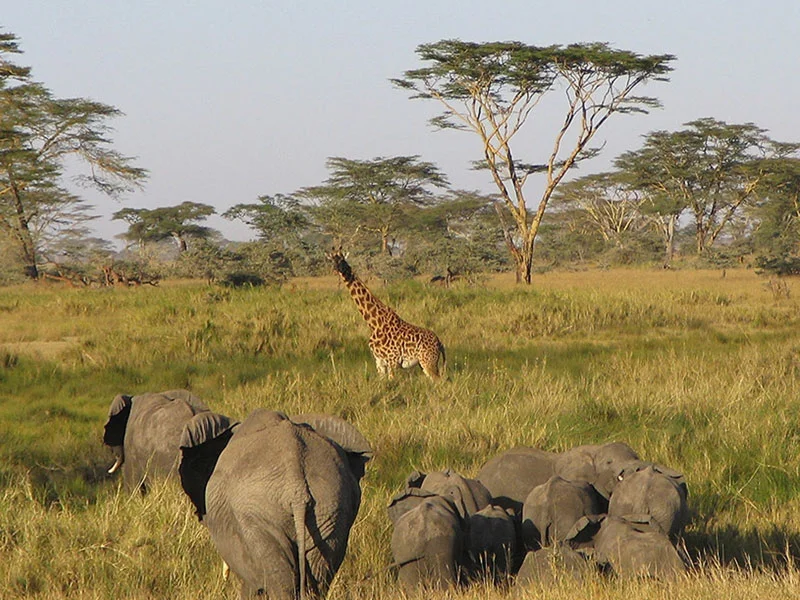
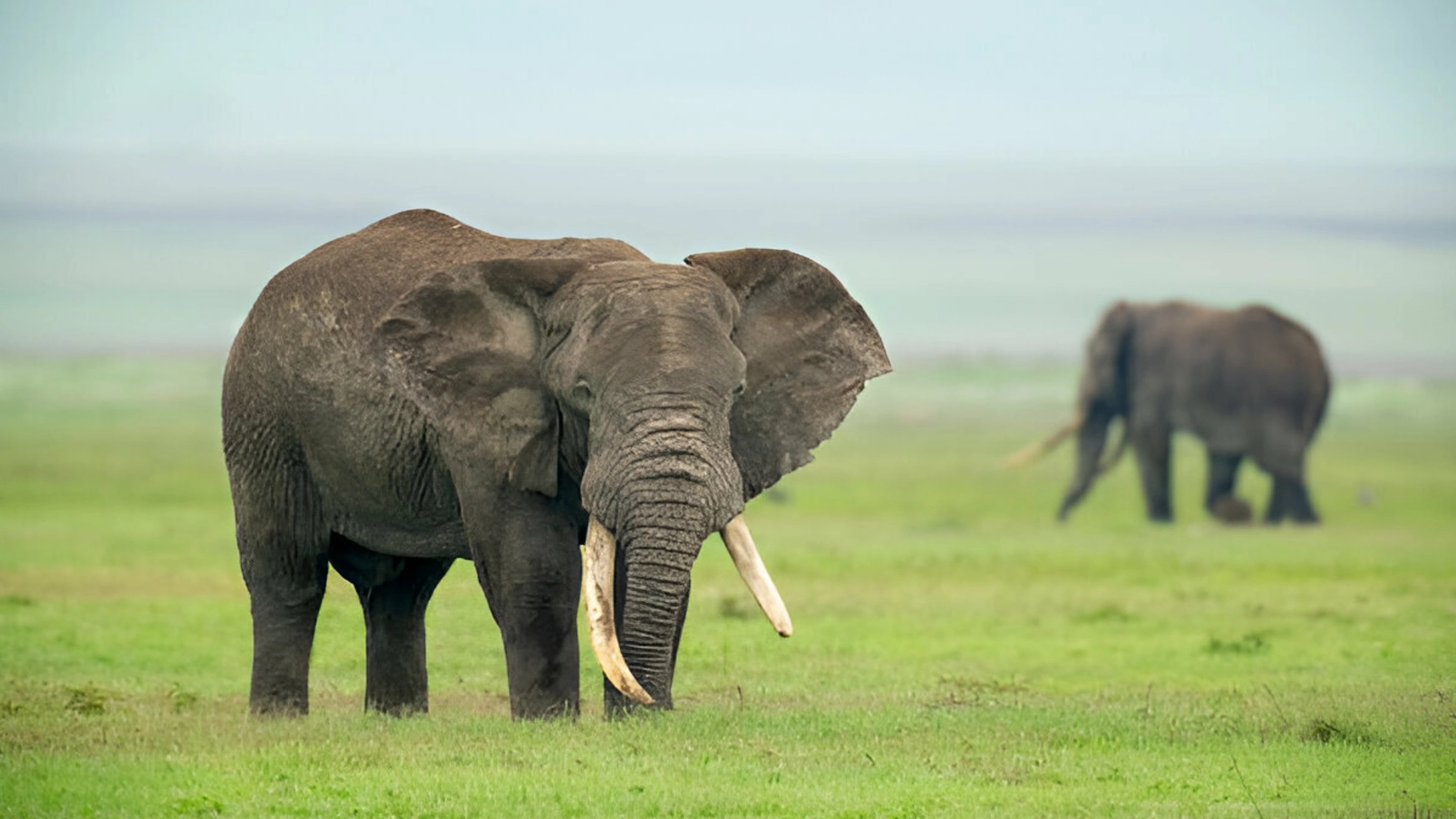
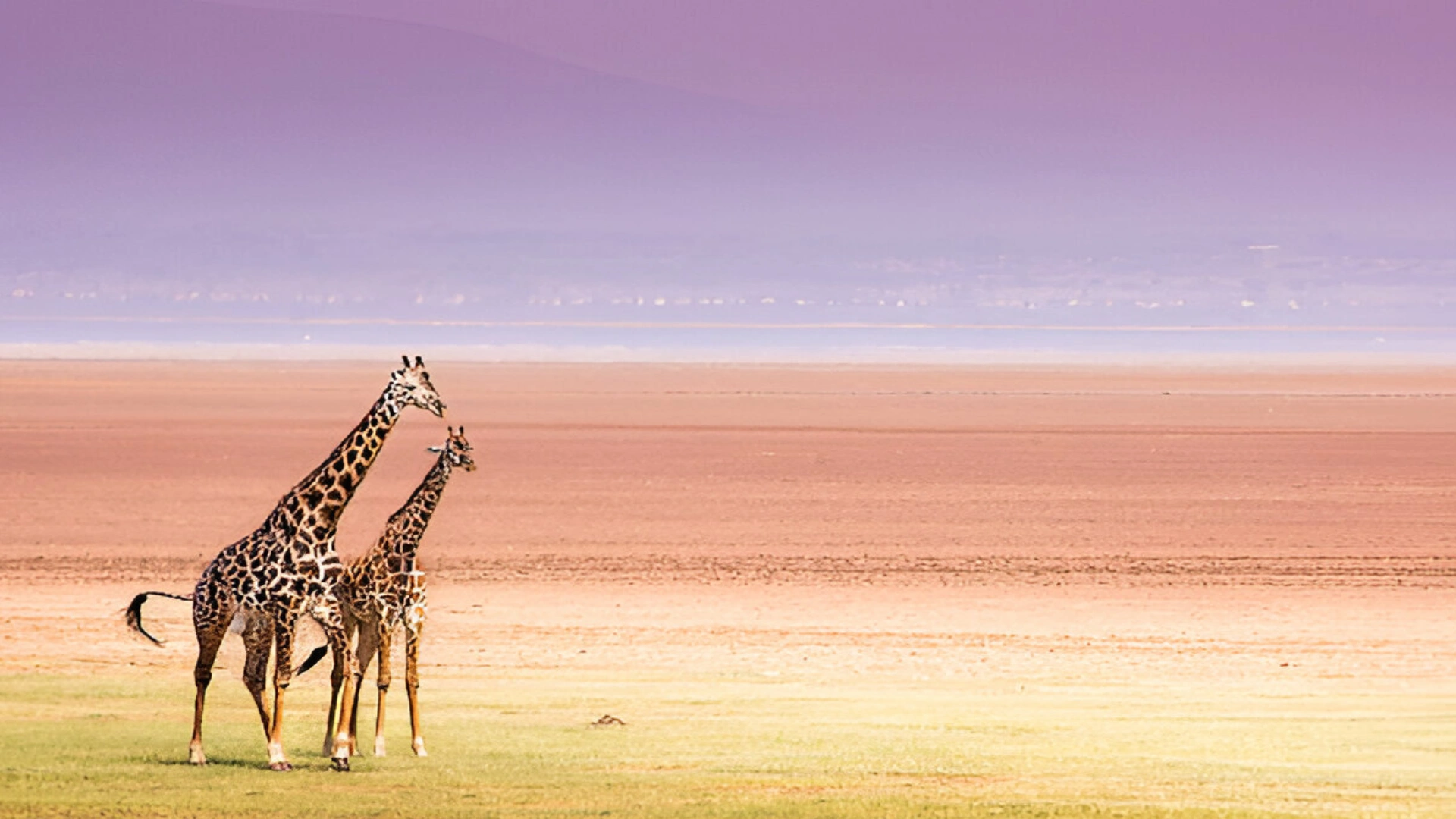
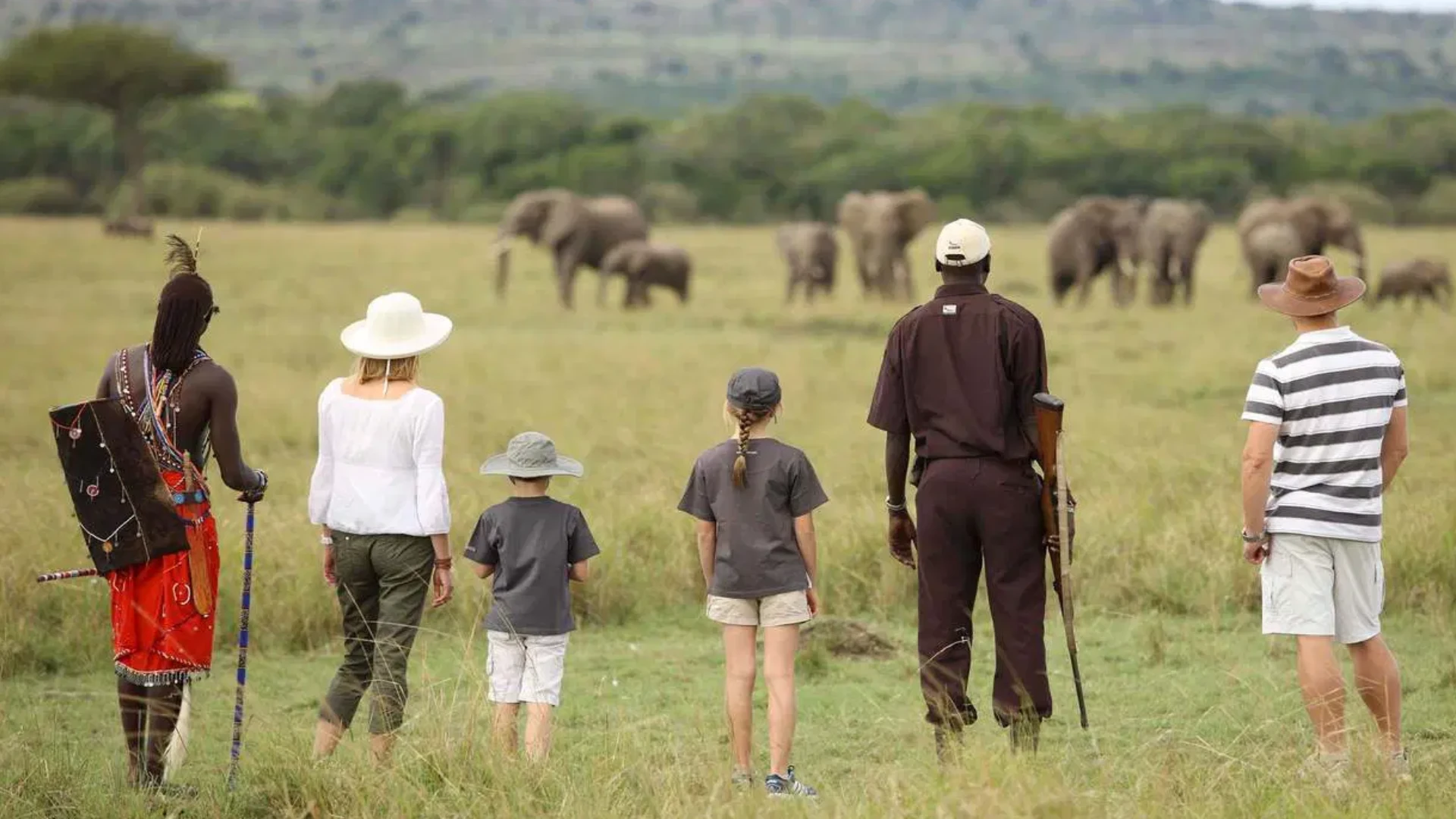
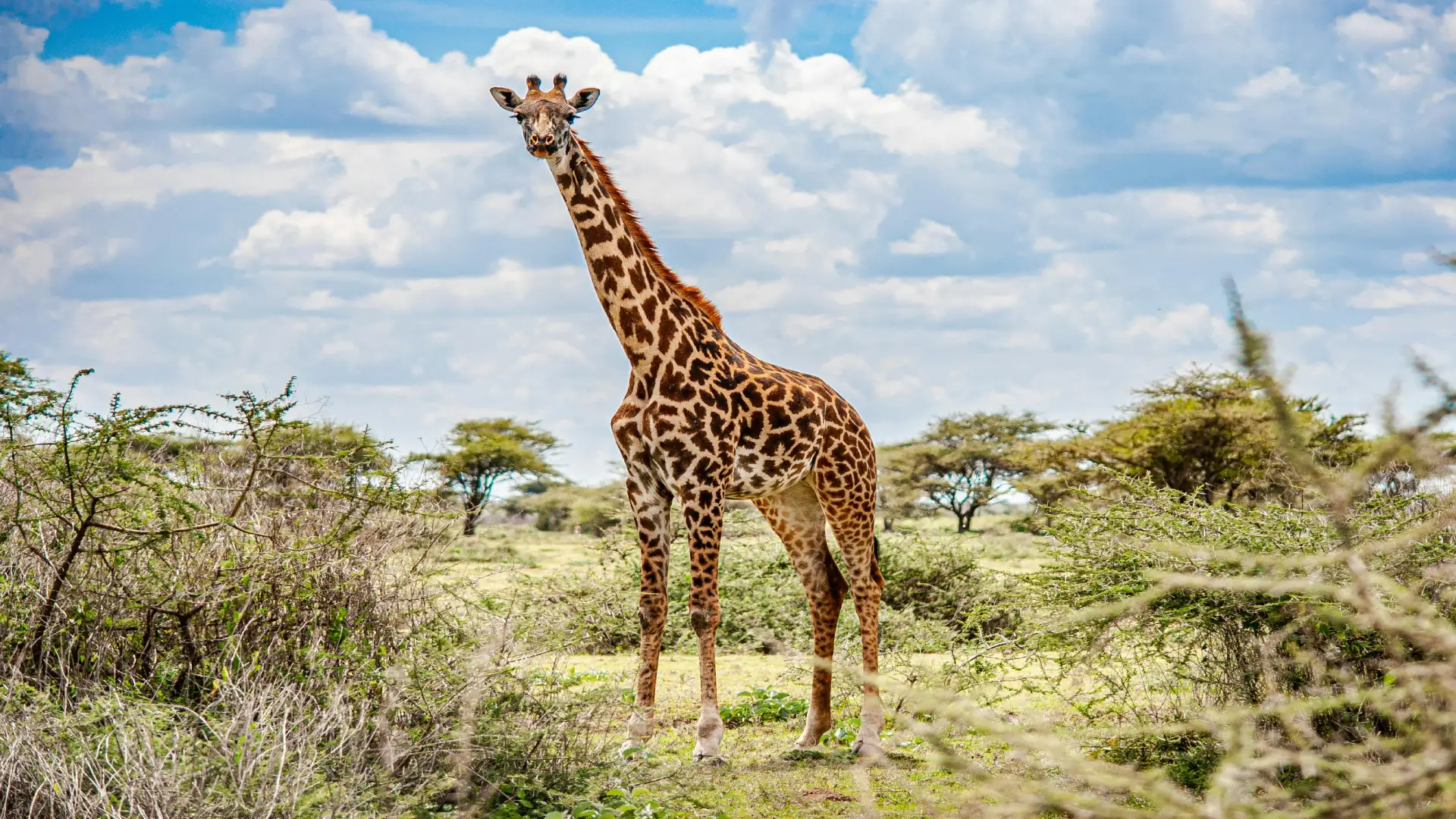
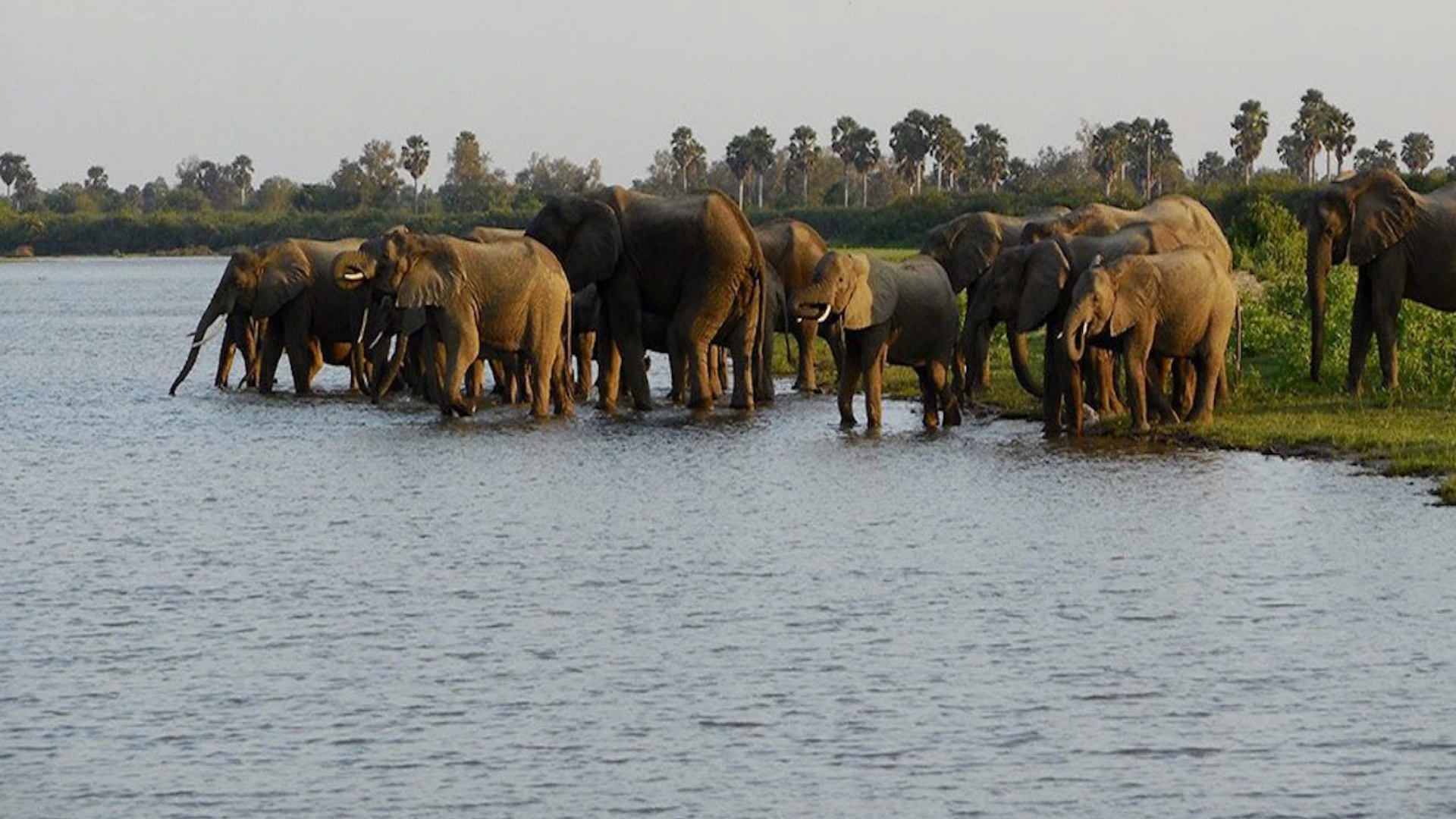
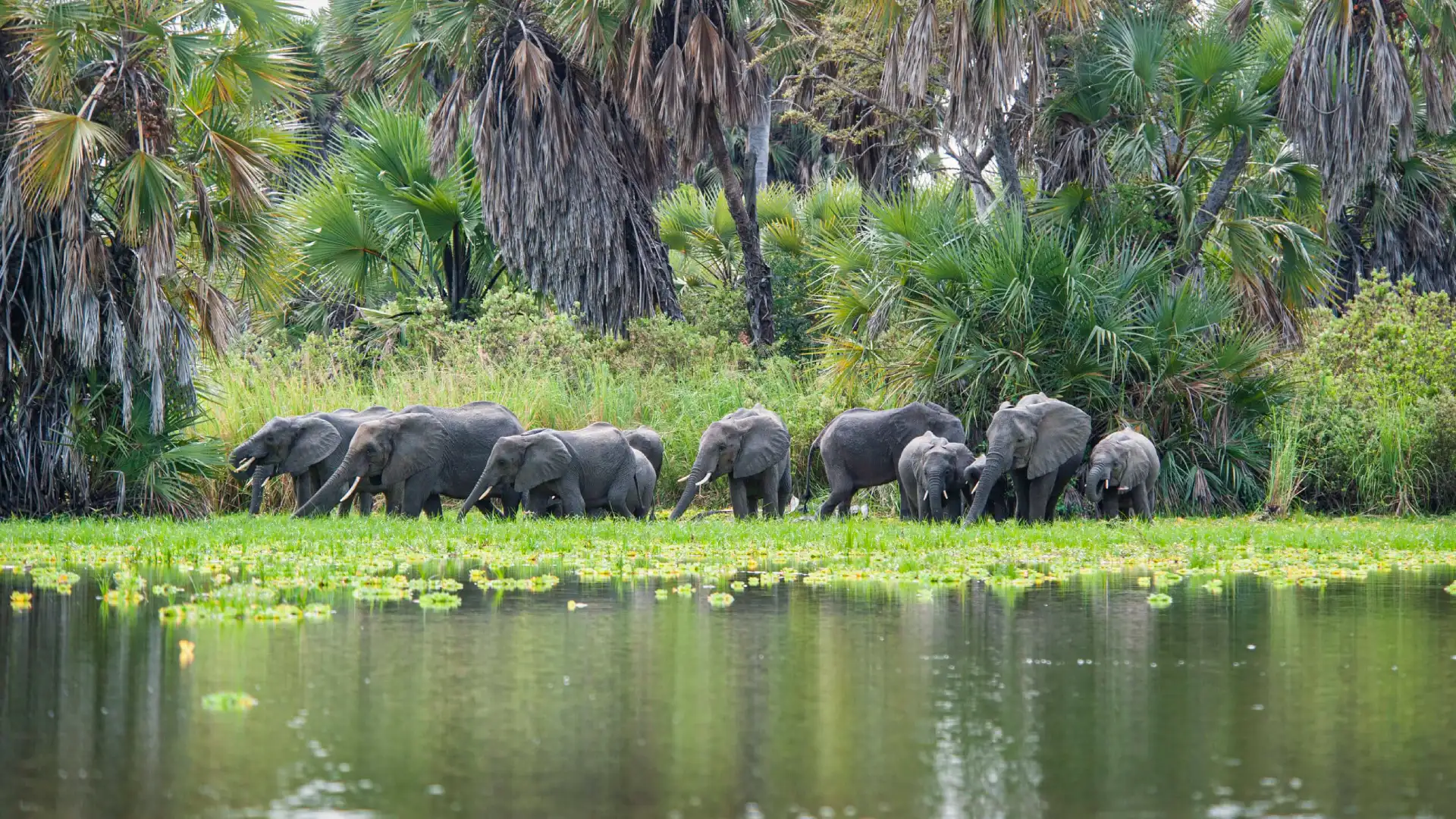
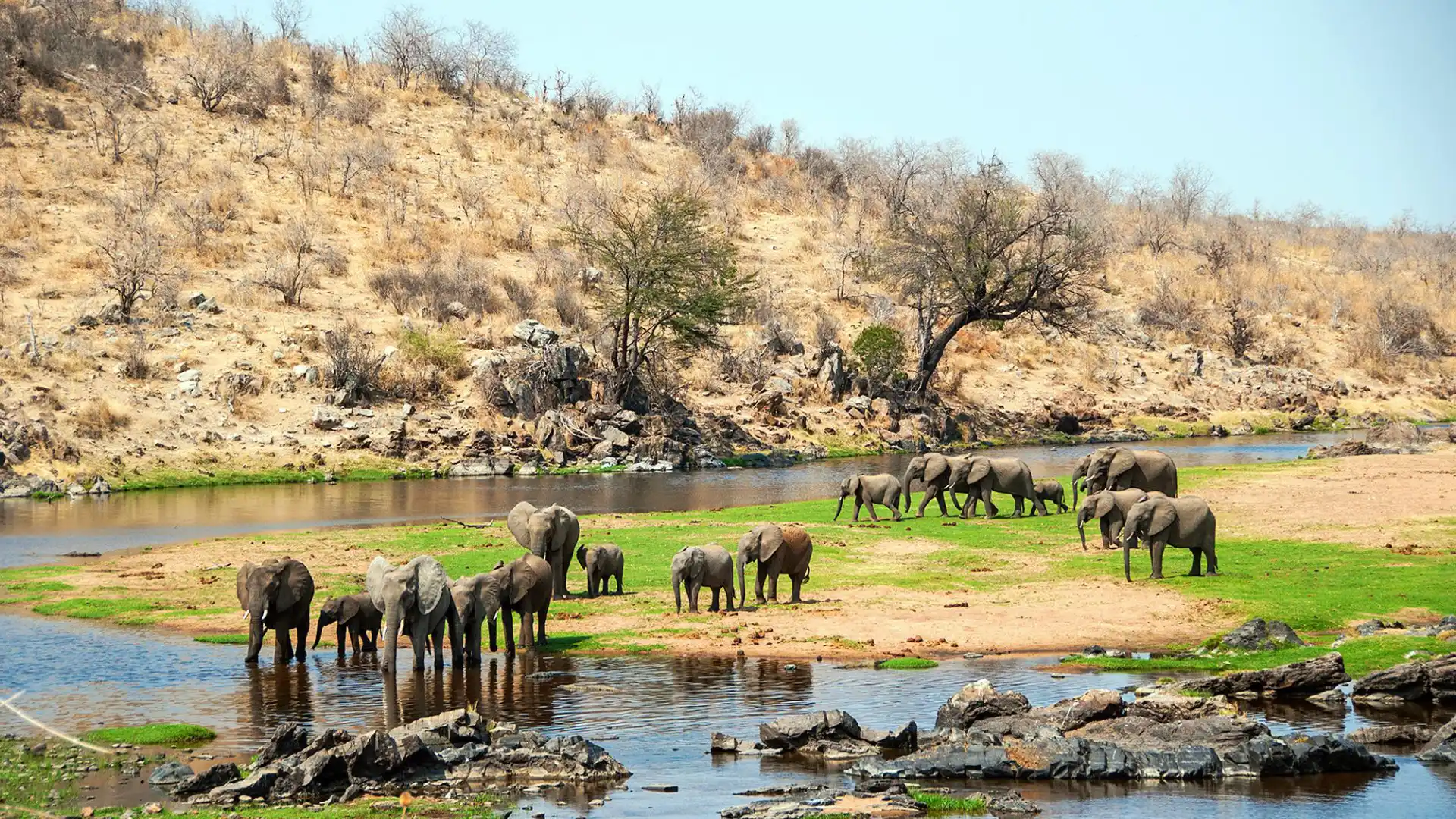
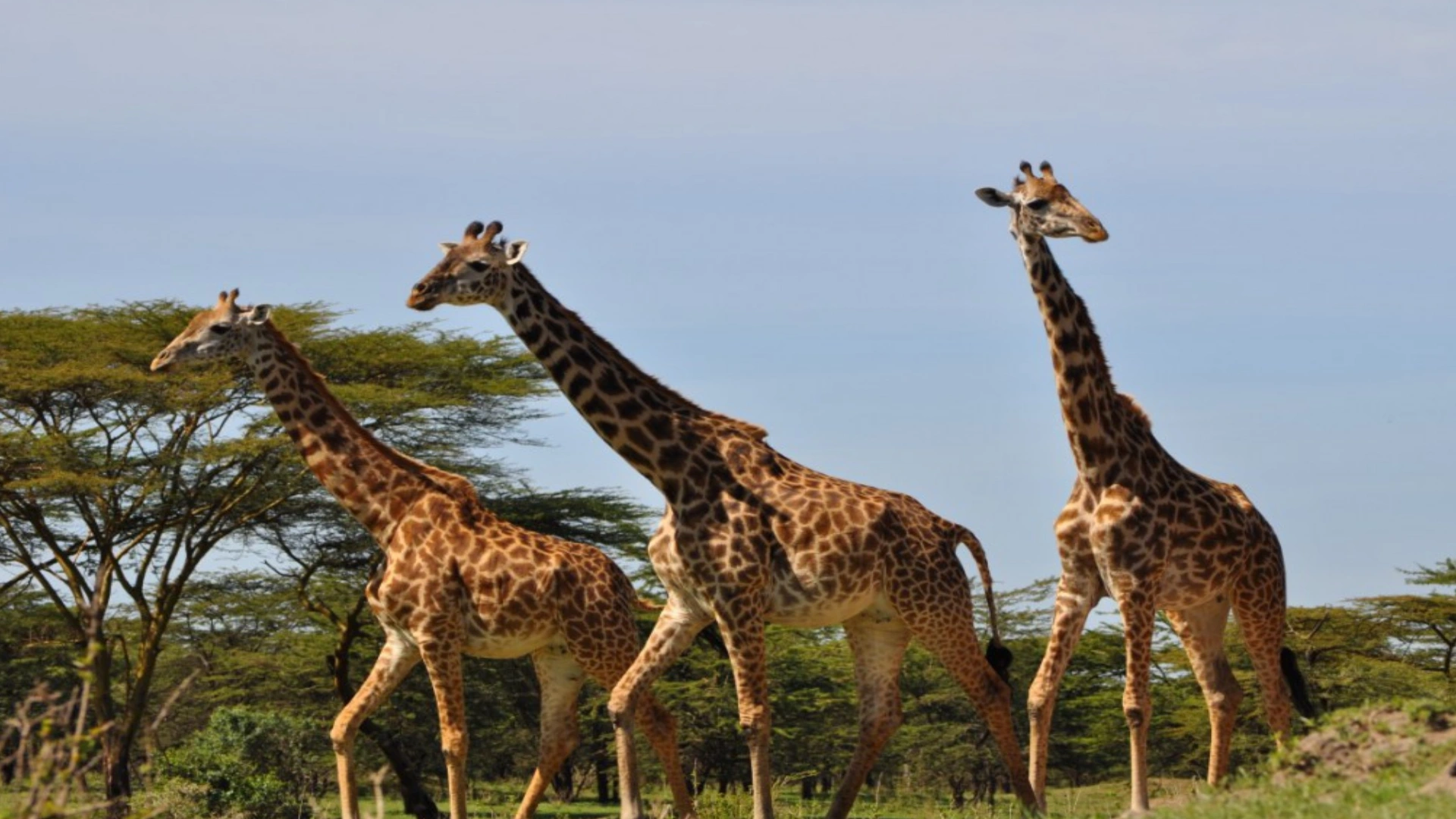
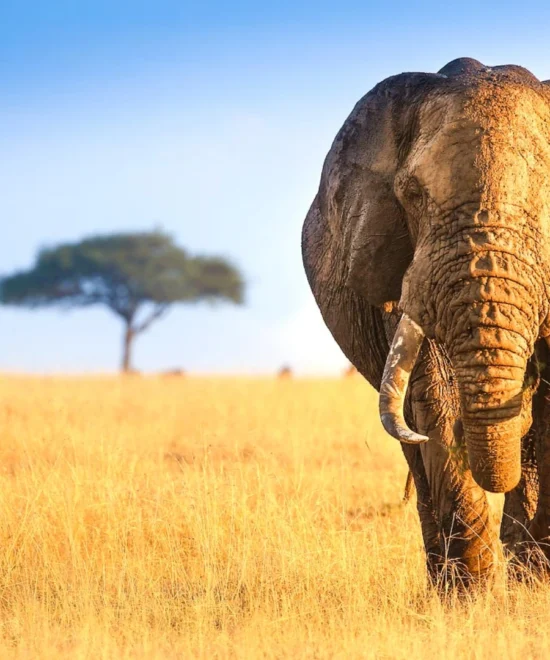
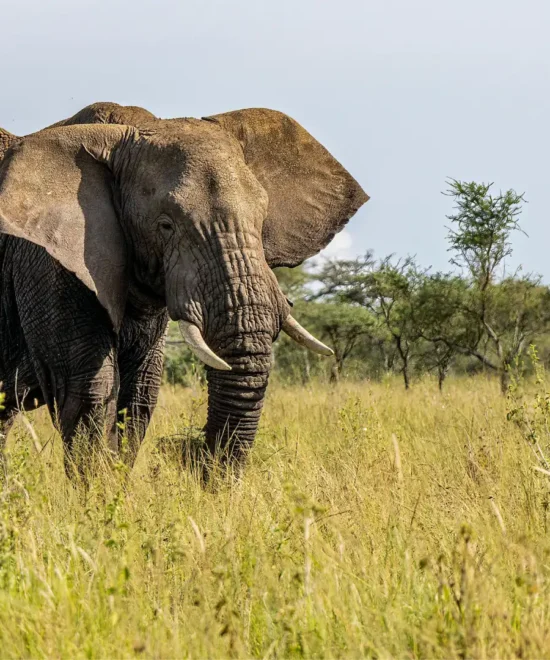
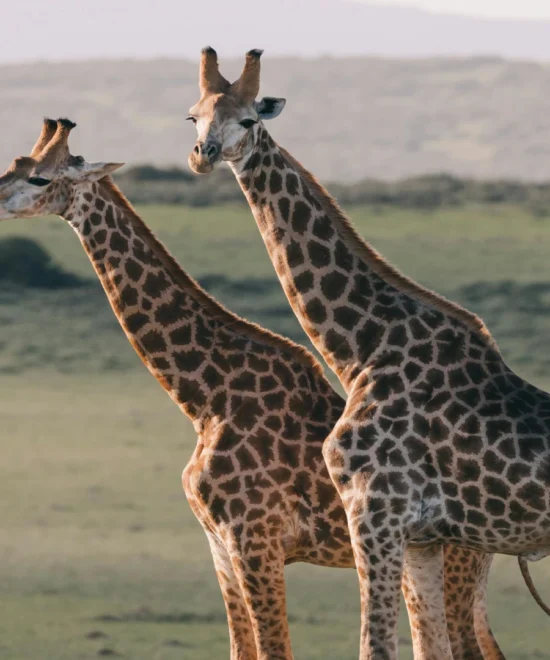
In addition to the large herbivores, you’ll spot elephants, giraffes, and countless bird species along the route. These encounters highlight the incredible biodiversity of the Serengeti ecosystem. Moreover, resident wildlife populations thrive year-round in this protected area.
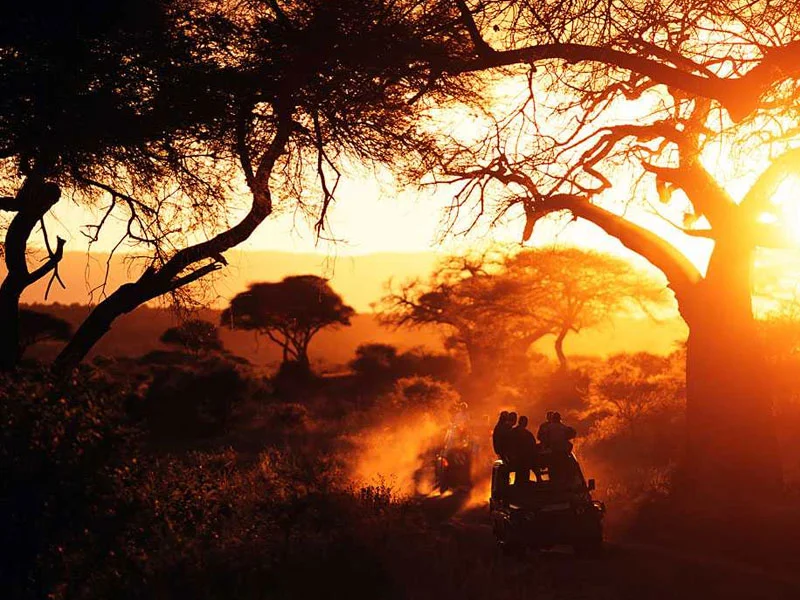
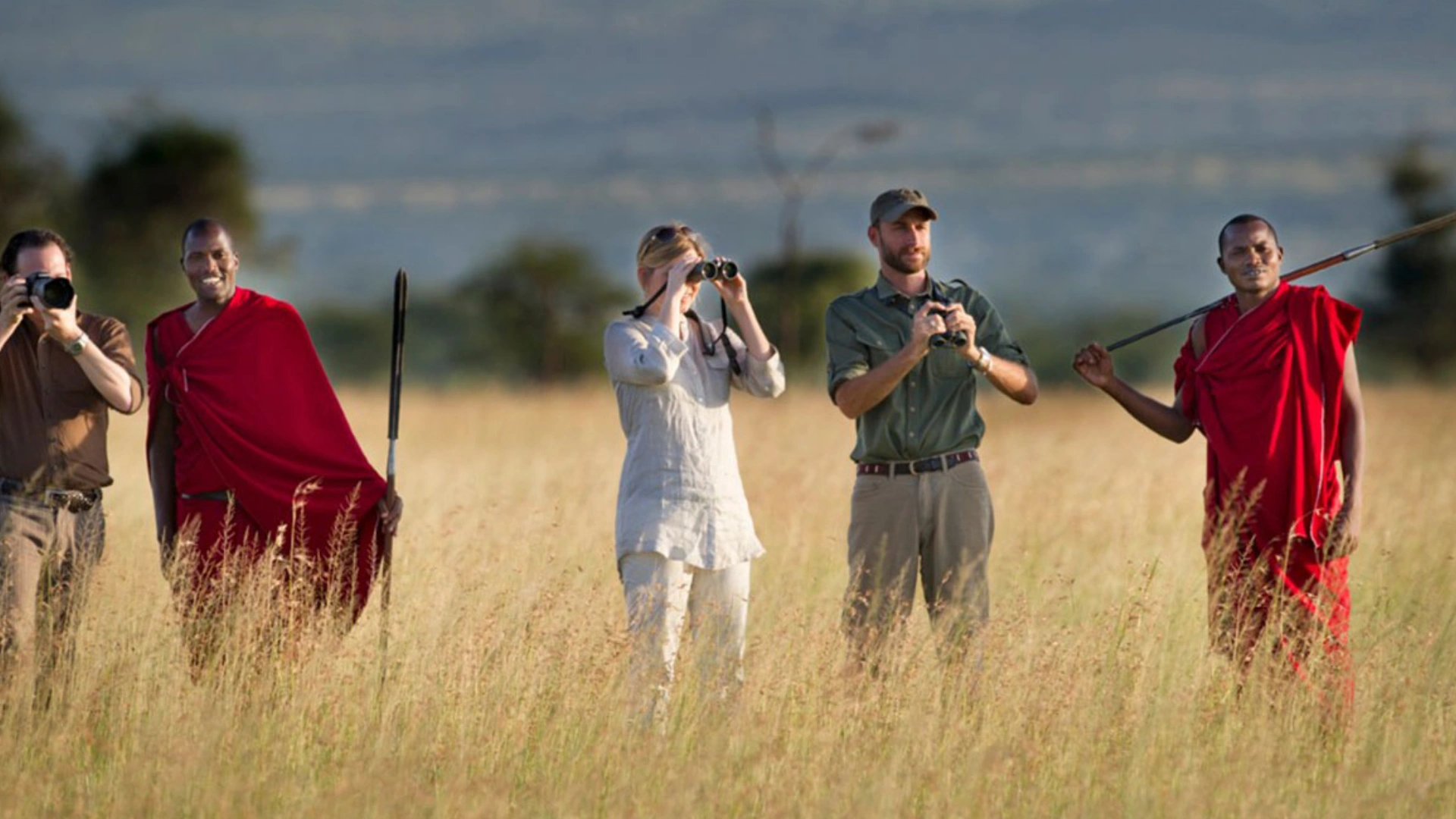
Professional guides enhance your migration experience significantly. Additionally, they understand animal behavior patterns and optimal viewing locations. Therefore, expert knowledge ensures you witness the most spectacular moments.
The Ultimate Wildlife Experience
The Great Migration offers unmatched scenes of endurance, instinct, and survival. Furthermore, it provides a once-in-a-lifetime opportunity to connect with nature’s raw rhythm. This natural spectacle demonstrates the incredible resilience of African wildlife. Moreover, it highlights the importance of conservation efforts across East Africa.
Witnessing The Great Migration creates memories that last forever. The experience showcases nature at its most powerful and beautiful. Therefore, it remains one of Africa most sought-after wildlife adventures.
8 Days Mara River Great Migration Safari
6 Days Tanzania’s Premier Wildlife Safari
7 Day Magical Tanzania Safari and Cultural Expedition
7-Day Elephant Safari Adventure Across Northern Tanzania
8 Days Serengeti wildebeest migration Safari with Ecolegacy Africa
11 Day Tanzania Safari & Zanzibar Beach Escape
6 Days Hidden Gems of Southern Tanzania Safari Tour
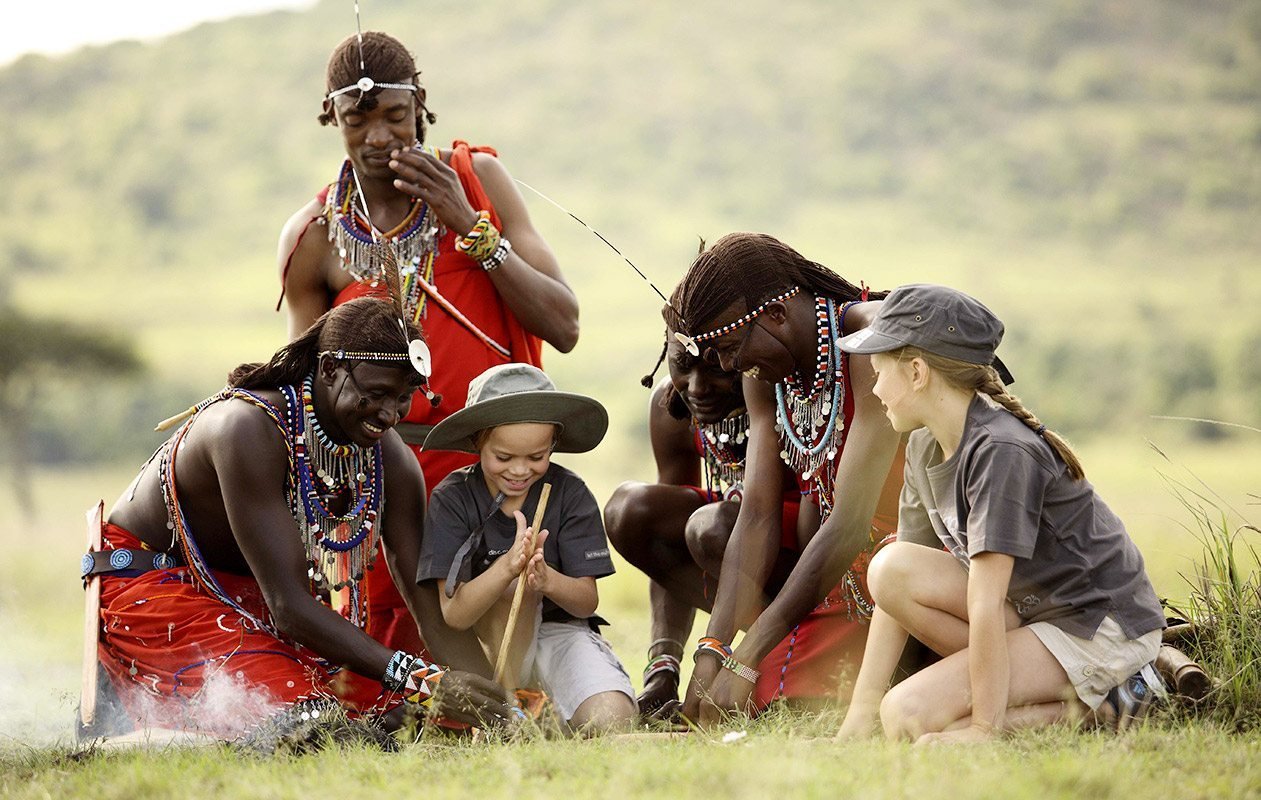
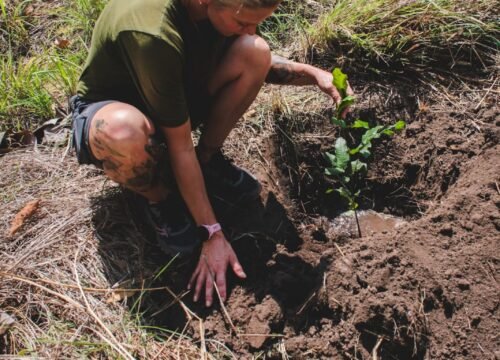
Guest Experience from our Responsible Conservation Safari in Tanzania
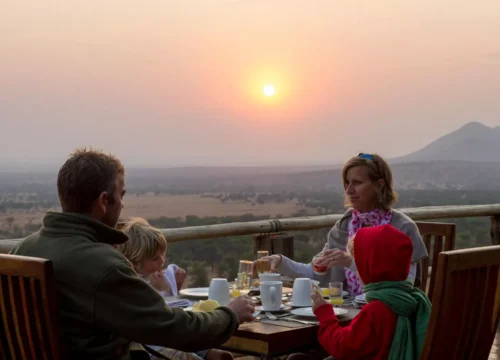
Our Best Family Holiday Destinations in Tanzania
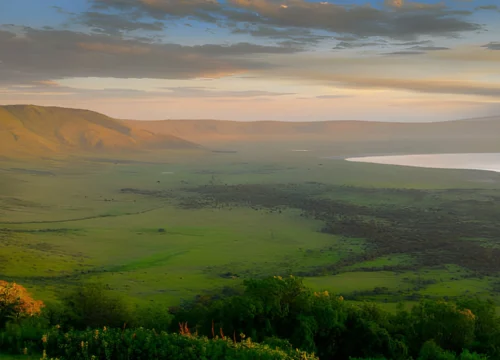
Top 10 Things to Know About Ngorongoro Crater
Tanzania’s Most Extraordinary Wildlife Experiences
The Best Places to Go on Tanzania Safari in 2026